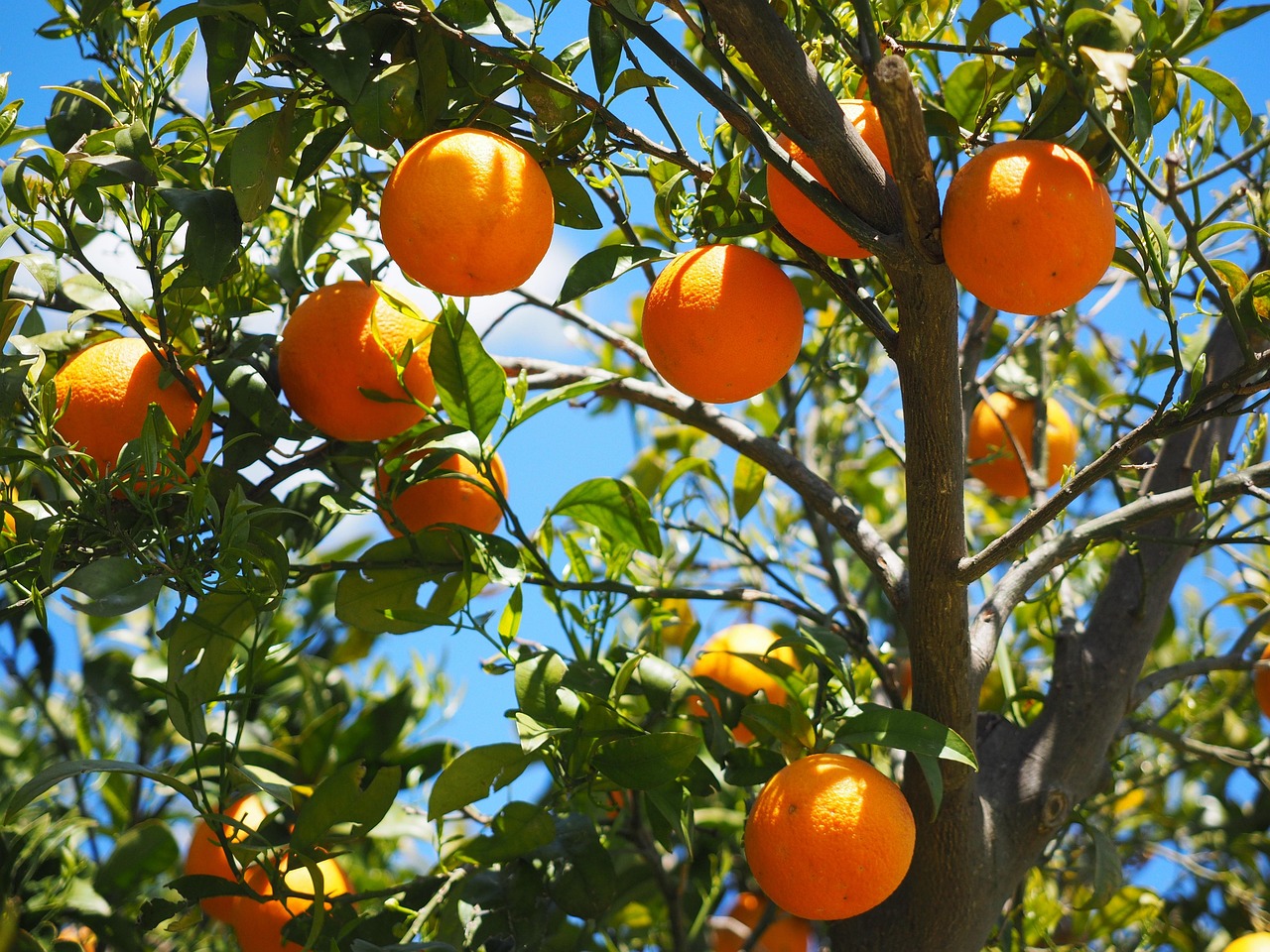
Shatangju Mandarin signifies the arrival of prosperity and ancestral blessings long before the first firework illuminates the Lunar New Year sky. For generations, families across Asia have curated their holiday tables with these diminutive, honey-scented globes, treating them as more than mere snacks. As a critic for The Gilded Fork, I often observe how food transcends its nutritional value to become a vessel for cultural hope. The Jeruk Shantang or Shatangju Mandarin, specifically the “Madu” or honey variety, occupies a throne of its own during the Imlek festivities.
Why Jeruk Santang Dominates Every Lunar New Year Table
The obsession with Shatangju Mandarin stems from a linguistic coincidence that the Chinese culture transformed into a powerful spiritual ritual. In Mandarin, the word for orange sounds remarkably similar to the word for “gold” and “luck.” When you offer someone a basket of these vibrant fruits, you aren’t just sharing a vitamin-C-rich snack; you are literally handing them a wish for a massive fortune. Culinary historians at Food & Wine emphasize that citrus fruits represent the sun’s positive energy, which wards off the shadows of the previous year.
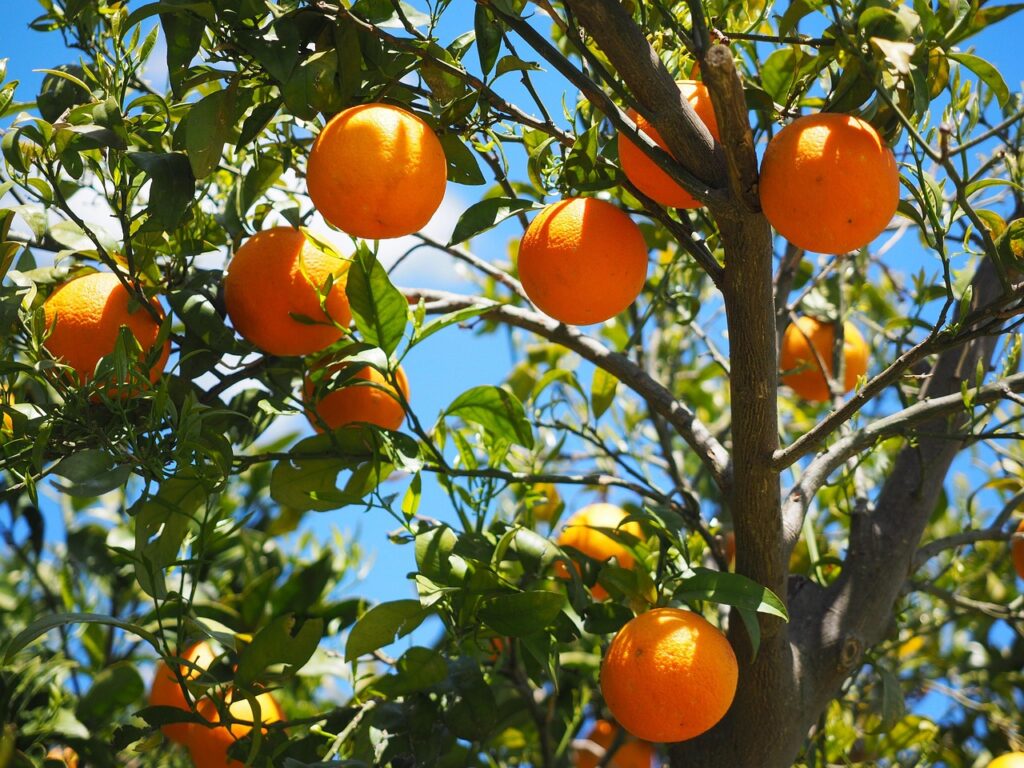
The physical attributes of the Shatangju Mandarin further cement its status as the “King of Imlek Citrus.” Unlike the larger, thicker-skinned pomelos or navel oranges, the Shantang variety boasts a thin, almost fragile skin that yields easily to the touch. This ease of peeling symbolizes a life free of obstacles. When you peel a Jeruk Shantang, you find a succulent, seedless interior that explodes with an intense sweetness, lacking the bitter aftertaste of inferior breeds. This flavor profile suggests that the coming year will bring only sweetness and joy, leaving the bitterness of the past behind.
The Architectural Symbolism of the Orange Pyramid
Hosts rarely scatter Shatangju Mandarin haphazardly across a bowl. Instead, they meticulously stack the fruits into a pyramid. This visual representation serves a specific purpose: it mimics a mountain of gold. Each layer added to the stack represents a prayer for increasing wealth and rezeki (sustenance) that grows taller with every passing moon.
In the traditional home, these pyramids sit in the southeast corner—the sector associated with wealth in many cultural practices. Experts at the Michelin Guide have often noted that the aesthetic presentation of food during Lunar New Year carries as much weight as the flavor itself. The bright orange hue provides a sharp, lucky contrast to the deep reds of the celebratory decor, creating a visual harmony that invites “Qi” or positive energy into the living space.
Gifting Rituals and the “Madu” Variety
When visiting relatives, a guest never arrives empty-handed. A basket of Shatangju Mandarin serves as the ultimate social currency. Choosing the “Shantang Madu” variety signals a high level of respect for the host. These oranges, known for their honey-like nectar and petite size, offer the perfect “one-bite” experience for guests circulating through a crowded open house. Because they are nearly seedless, they represent a “clean” start, untainted by the small irritations—symbolized by seeds—that often plague daily life.
The act of gifting these oranges to elders reflects a deep-seated desire for their longevity and health. In many households, parents place a pair of Shatangju Mandarin next to red envelopes on their children’s pillows. This tradition ensures that the first thing a child sees and tastes on the New Year is the symbol of abundance. It instills a sense of security and the promise of a bright future from the moment they wake.
The Culinary Profile of the Perfect Mandarin
From a gastronomic perspective, the Shatangju Mandarin offers a complexity that belies its small size. The high sugar-to-acid ratio creates a lingering finish on the palate, making it a favorite for palate cleansing after a heavy feast of braised meats and oily noodles. Critics at Bon Appétit highlight that the best specimens feel heavy for their size, indicating a high juice content that refreshes the mouth instantly.
The scent of the oils released from the skin during peeling acts as a natural aromatherapy. The zesty, bright aroma fills the room, cutting through the heavy scent of incense and fried celebratory foods. This sensory experience reinforces the “freshness” of the new year. People don’t just eat these oranges; they experience them with every sense.
Practical Elegance in Modern Celebrations
In today’s fast-paced world, the Shatangju Mandarin remains popular because it fits the modern lifestyle. Its small size makes it portable and easy to serve without the need for knives or elaborate plating. You can tuck a few into a bag or place them in a small dish on a work desk to maintain the holiday spirit in a professional environment. The skin’s vibrant orange color remains stable for days, ensuring the “gold” on your table doesn’t tarnish before the fifteen days of celebration conclude.
As the markets fill with crates of these honeyed fruits, the message remains clear. The Shatangju Mandarin serves as a bridge between the physical world of delicious citrus and the spiritual world of ancient aspirations. Each segment consumed is a small, sweet step toward a year of prosperity.