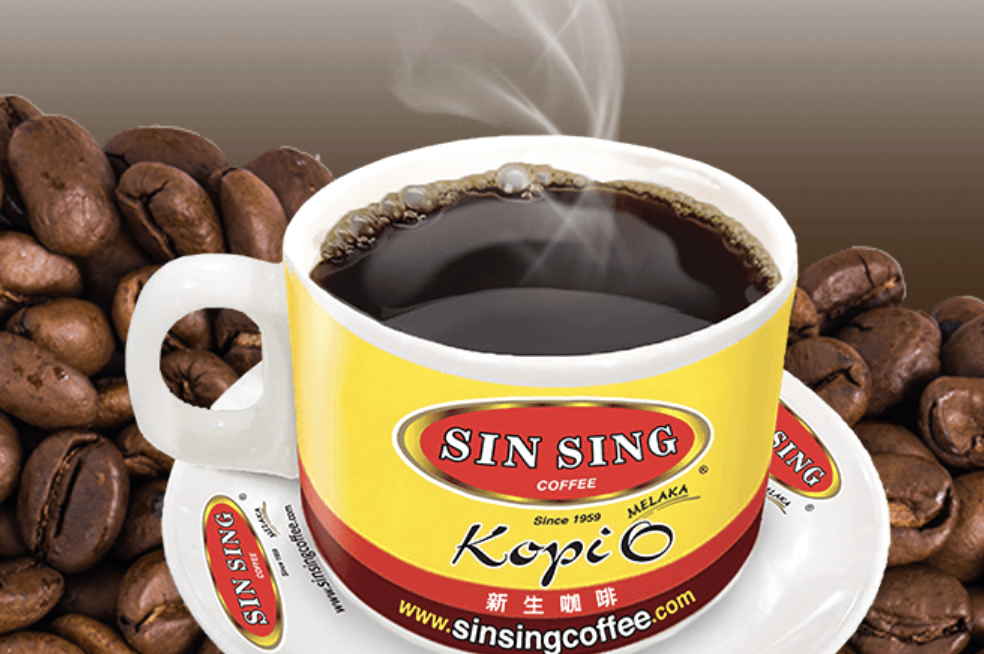
In the sun-drenched streets of Melaka, where the scent of salt air mingles with the charred sweetness of caramelized sugar, coffee is more than a morning ritual; it is a historical tapestry. For decades, Sin Sing Coffee has been a cornerstone of this olfactory landscape, representing the resilient “Nanyang” coffee culture that defines the Malay Peninsula. However, even the most storied institutions are not immune to the digital age’s penchant for rapid, often misinformed, scrutiny. Recently, this venerable producer found itself at the center of a social media firestorm regarding its adherence to halal standards—a challenge the company has met with swift transparency and a firm reassertion of its culinary integrity.
The Heritage of Sin Sing Coffee and the Sanctity of the Brew
To understand the weight of a halal certification in Melaka, one must first understand the history of the bean in this region. The coffee culture here—often referred to as Nanyang coffee—is a byproduct of the 19th-century spice trade. It is a unique process where beans are roasted with sugar, margarine, and occasionally wheat to create a dark, chocolatey profile that demands a certain level of trust between the roaster and the consumer. Sin Sing Coffee, having operated for over fifty years, has built its reputation on this very trust.
When rumors began circulating on platforms like WhatsApp and Facebook suggesting that the factory utilized brushes made of pig hair (boar bristles) for cleaning production machinery, the reaction was understandably visceral. In a nation where Michelin-starred chefs and street food vendors alike must navigate the complexities of religious dietary laws, such an allegation is not merely a technicality; it is a perceived breach of a sacred social contract.
Clarifying the Confusion: A Case of Mistaken Identity
The controversy did not emerge from a vacuum. Earlier this year, the Melaka Islamic Religious Department (JAIM) conducted an inspection of a different food manufacturing facility in the region. That unnamed factory, which produced both coffee and biscuits, was found to be using brushes with physical characteristics consistent with pig hair. Consequently, JAIM revoked that specific factory’s halal certification.
In the ensuing digital game of “telephone,” the identity of the offending factory became blurred, and Sin Sing Coffee was unfairly dragged into the fray. The company was forced to issue a formal clarification on April 2nd, 2026, stating unequivocally that the viral images of non-halal equipment did not originate from their facility. They emphasized that their operations are strictly focused on coffee production, distancing themselves from the biscuit-making facilities mentioned in the JAIM reports. For those interested in the broader context of regional food safety, exploring our previous feature on Malaysian culinary heritage provides insight into how these standards evolved.
The Science of the Scent and the Brush
From a critic’s perspective, the use of boar bristle brushes is a relic of old-world craftsmanship. Historically, these brushes were prized in French patisseries and European bakeries for their ability to hold liquid and withstand heat, as noted in various Bon Appétit technique guides. However, in the context of modern Malaysian industrial food production, the presence of such materials is an anomaly that contradicts the stringent requirements of the Department of Islamic Development Malaysia (JAKIM).
The laboratory results released in March by the national halal analysis center confirmed that the brushes seized from the other factory were indeed of porcine origin. For a brand like Sin Sing Coffee, which prides itself on a clean, heritage-focused production line, the association with such a find was a direct hit to their brand equity. Their clarification served as a reminder that in the modern world, a brand’s most valuable ingredient isn’t the bean, but the certification on the label.
Maintaining Standards in a Globalized Palate
As we look at the evolution of coffee in Southeast Asia, the move toward “specialty” often clashes with “traditional.” While Eater frequently highlights the rise of third-wave espresso bars in Kuala Lumpur, the heart of the country still beats for the dark, thick brew of the Melaka roasters. Sin Sing Coffee represents the bridge between these worlds. Their commitment to maintaining a valid halal certificate is not just about religious compliance; it is about ensuring that their coffee remains accessible to every member of the Malaysian mosaic.
The company has urged the public to stop spreading unverified information that could damage local businesses. In an era where “fake news” can destroy decades of work in a single afternoon, the responsibility lies both with the producer to remain transparent and the consumer to remain discerning.
A Toast to Transparency
As a critic who has spent years tracing the lineage of flavors from the port of Melaka to the tables of London, I find the resilience of Sin Sing Coffee heartening. They have invited scrutiny and emerged with their reputation intact, proving that their “Gajah” (Elephant) brand coffee remains a safe, soulful staple of the Malaysian breakfast.
The lessons learned here are applicable to food enthusiasts globally. Whether you are reading about the latest trends in Food & Wine or visiting a local roaster, the provenance of the tools used is just as important as the provenance of the ingredients. For now, the steam rising from a cup of Sin Sing brew continues to tell a story of history, heritage, and—most importantly—honesty.
Discover the latest coffee trends, recipes, and coffee news by exploring our coverage here.