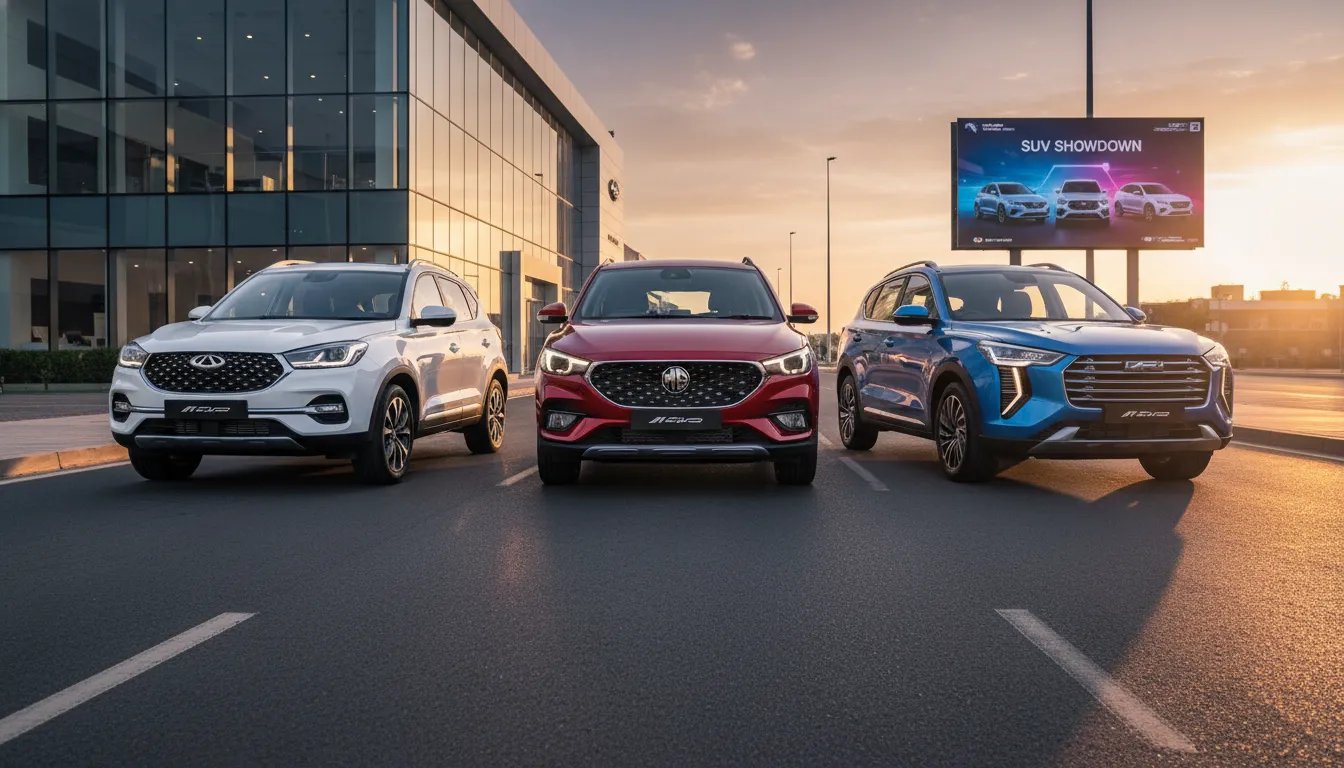
Small SUVs currently represent the most cut-throat segment of the Australian automotive landscape, where manufacturers fight tooth and nail for every decimal point of market share. While the prestige brands hog the spotlight with six-figure price tags, the real movement happens at the entry level, where affordability meets practicality. Navigating this landscape requires a sharp eye for value, as the “drive-away” price often hides the true cost of ownership and the inevitable trade-offs in performance.
Small SUVs: The Massive Secrets Behind Australia’s Cheapest Models
When you hunt for the best value in the country, you quickly realize that the traditional powerhouses from Japan and Europe no longer hold the crown for affordability. Instead, a new wave of challengers has redefined what a sub-$30,000 budget can actually buy. These vehicles aren’t just basic transport; they offer surprisingly high levels of technology and safety equipment that previously required a premium investment. According to recent data from Top Gear, the rise of manufacturing efficiency in emerging hubs has completely disrupted the pricing floor for the Australian consumer.
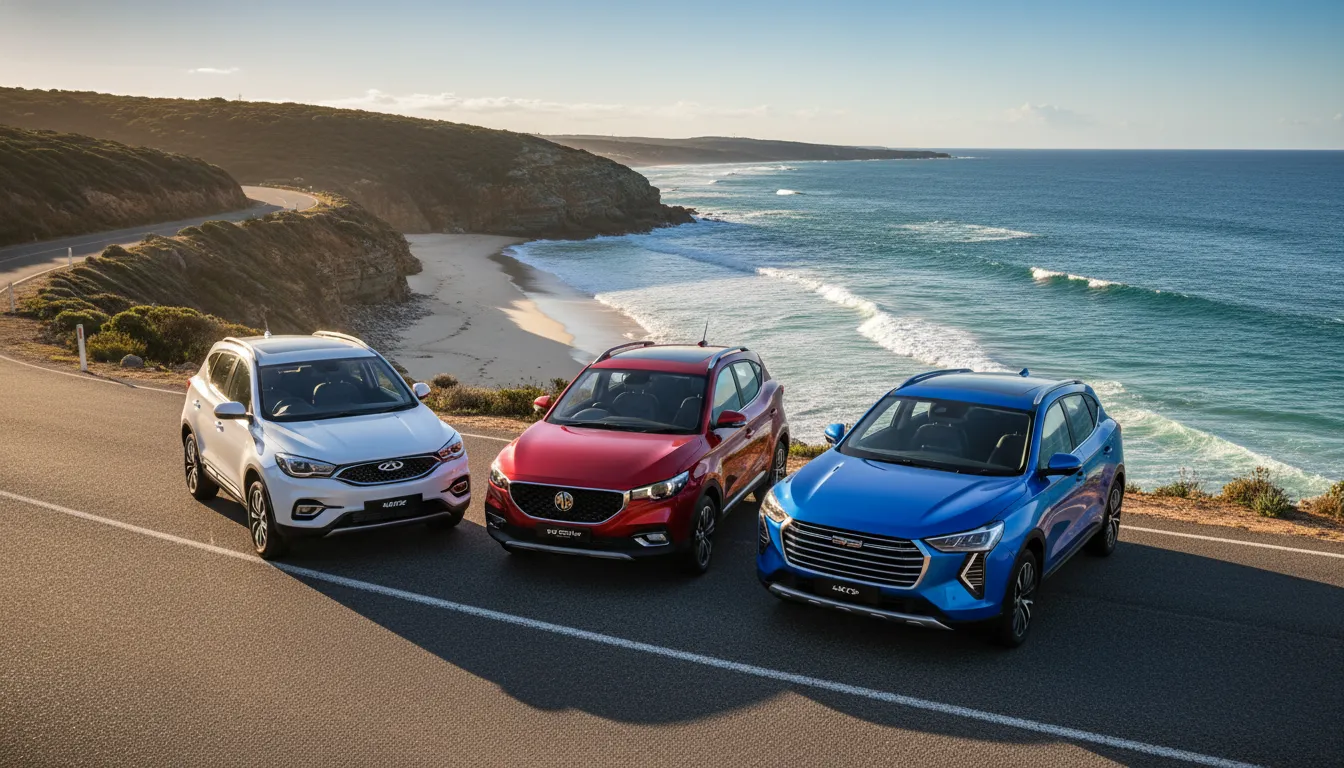
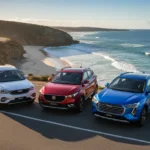
AI Generated Image: A wide shot of the Chery Tiggo 4, MG ZS, and GWM Haval Jolion lined up on an Australian coastal road
1. Chery Tiggo 4: The Price Leader
The Chery Tiggo 4 currently holds the title of the most affordable small SUV in Australia. With a drive-away price of $23,990 for the Urban trim, it undercuts almost everything else on the road. This isn’t just a “list price” trap; it includes stamp duty, registration, and dealer delivery, making it a transparent choice for budget-conscious buyers.
Under the hood, the Tiggo 4 Vibe utilizes a 1.5-litre petrol engine driving the front wheels. While it won’t set any lap records at Bathurst, it delivers a functional, if uninspired, driving experience. The interior surprises many with a 10.25-inch media screen and dual-zone climate control as standard. Critics at Autocar note that while the driving dynamics remain forgettable, the 470-litre boot capacity provides genuine utility that rivals more expensive competitors.
2. MG ZS Vibe: The Refined Contender
MG has successfully transitioned from a niche British brand to a mainstream Australian powerhouse. The ZS Vibe sits at a $25,888 drive-away price point, offering a level of refinement that belies its sticker price. It targets the heart of the market with a stylish exterior and a cabin that feels remarkably well-put-together.
The ZS features a 1.5-litre engine, though performance remains its Achilles’ heel. On the road, the engine often feels underpowered when merging onto highways or tackling steep inclines. However, the five-star ANCAP safety rating (2025) provides significant peace of mind. Standard features mirror the tech-heavy trend, including a 10.25-inch screen and full smartphone integration. For those looking to transition to greener platforms, you might also consider our guide on Electric SUVs to see how the MG ZS EV stacks up against its petrol sibling.
3. GWM Haval Jolion Premium: The Turbocharged Alternative
The GWM Haval Jolion Premium rounds out the top three with a list price of $26,990. Unlike its rivals, the Jolion brings a 1.5-litre turbo petrol engine to the fight, offering a bit more punch than the naturally aspirated units found in the Chery or the MG. It is a physically larger vehicle than many in the “small” category, leaning toward mid-sized dimensions.
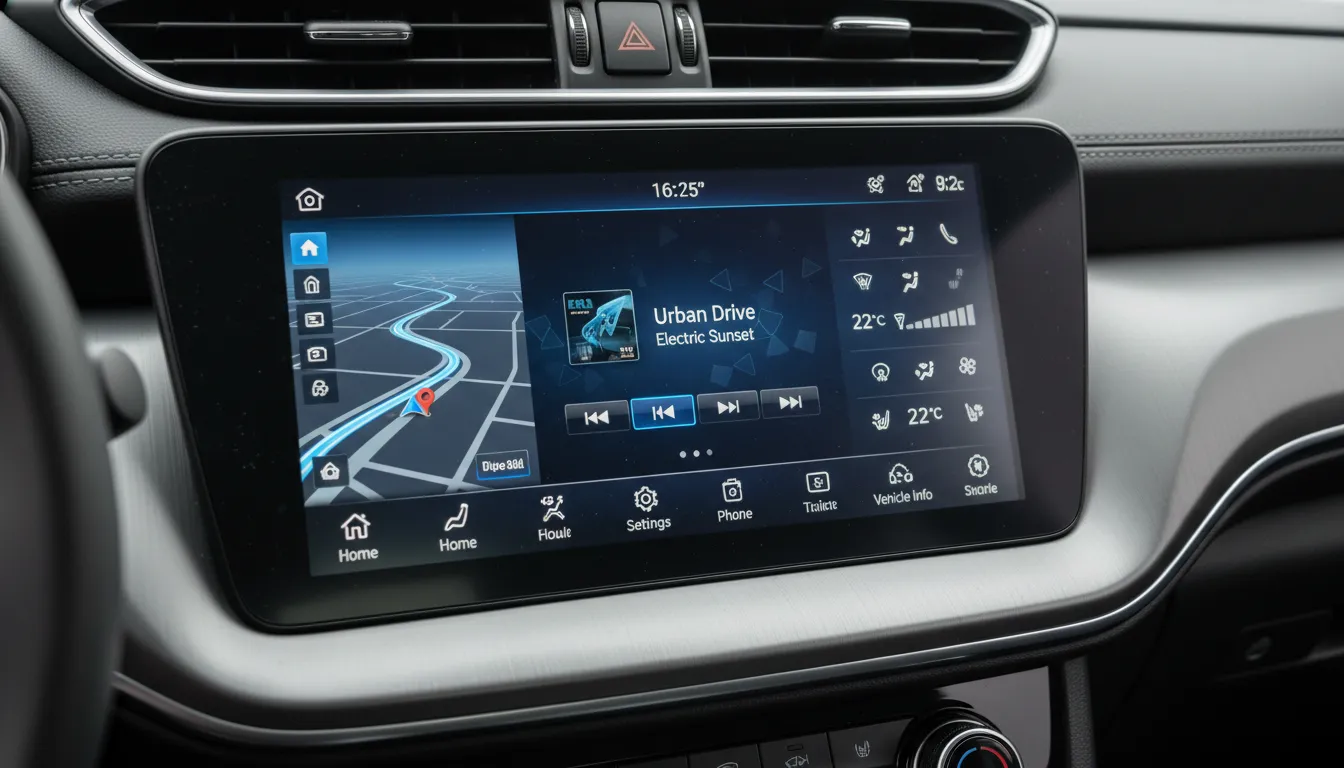
AI Generated Image: Close up of the GWM Haval Jolion’s 10.25-inch touchscreen interface
Reviewers at Car and Driver often highlight the Jolion’s roominess and low ownership costs as its primary strengths. However, the driving experience suffers from over-intrusive safety alerts and a 337-litre boot that feels cramped compared to the Tiggo 4. Despite these quirks, the Jolion remains a top seller because it offers a “big car” feel for a “small car” price.
Market Trends and the Bottom Line
The shift toward these three models signals a broader change in Australian buying habits. We no longer see a massive gap in build quality between the entry-level and mid-range segments. Each of these small SUVs carries a five-star ANCAP safety rating, proving that “cheap” no longer means “unsafe.”
Manufacturers like GWM and MG have invested heavily in local suspension tuning to better handle Australian roads. While the engines in the Tiggo 4 and ZS might feel pedestrian, the inclusion of premium features like Apple CarPlay, Android Auto, and sophisticated climate control systems makes daily commuting far more tolerable.
The competitive landscape forces these brands to offer long warranties, often spanning seven years with capped-price servicing. This long-term security is the real “secret” behind their success. Buyers are choosing the security of a new car warranty over the uncertainty of a used vehicle from a more established brand. As the market continues to evolve, these three models represent the absolute floor for new car pricing without sacrificing the modern essentials that today’s drivers demand.