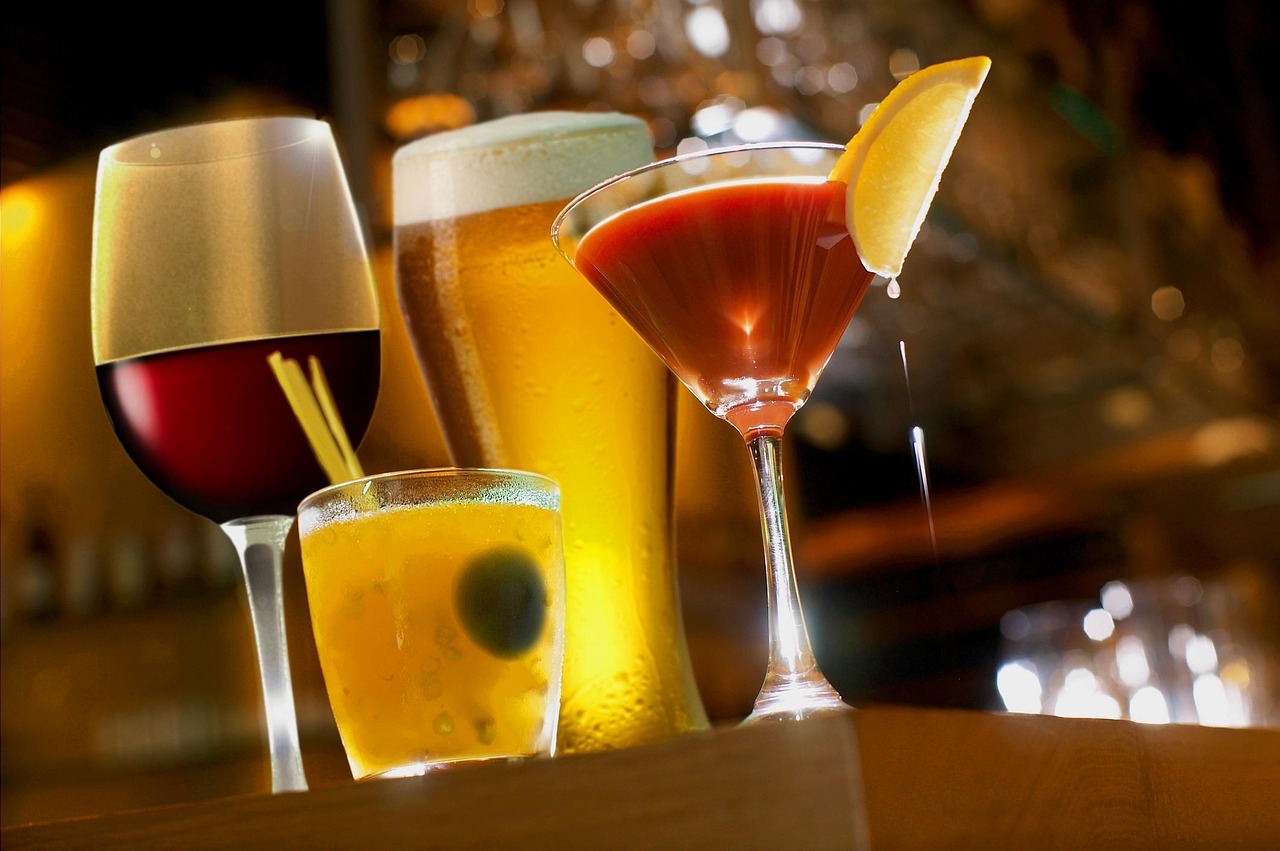
For over seven decades, Saudi Arabia remained a “dry” landscape. In this environment, meals never included the pop of a cork or the amber glow of a neat pour. High-end dining often felt incomplete without wine or spirits. However, the desert winds are now shifting.
The Kingdom is finally loosening its grip on spirits. This change represents a major cultural pivot. It positions the glass as a symbol of modern ambition. Still, this is not a free-for-all. This evolution is highly curated, exclusive, and expensive.
A Vintage Reformation Under Vision 2030
The prohibition of alcohol began in 1952. This legacy shaped the kingdom’s identity for seventy years. Now, Crown Prince Mohammed bin Salman is changing these rules. His “Vision 2030” initiative aims to reduce conservatism. You can learn more about these goals on the official Vision 2030 website. By allowing legal alcohol, the government signals its readiness to compete with global hubs like Dubai.
From a culinary perspective, this move involves more than just drinks. It provides the “complete” dining experience that luxury tourists expect. For a seasoned critic, a curated wine list bridges the gap between a good meal and a world-class one. Saudi Arabia is now harmonizing its traditional roots with global expectations.
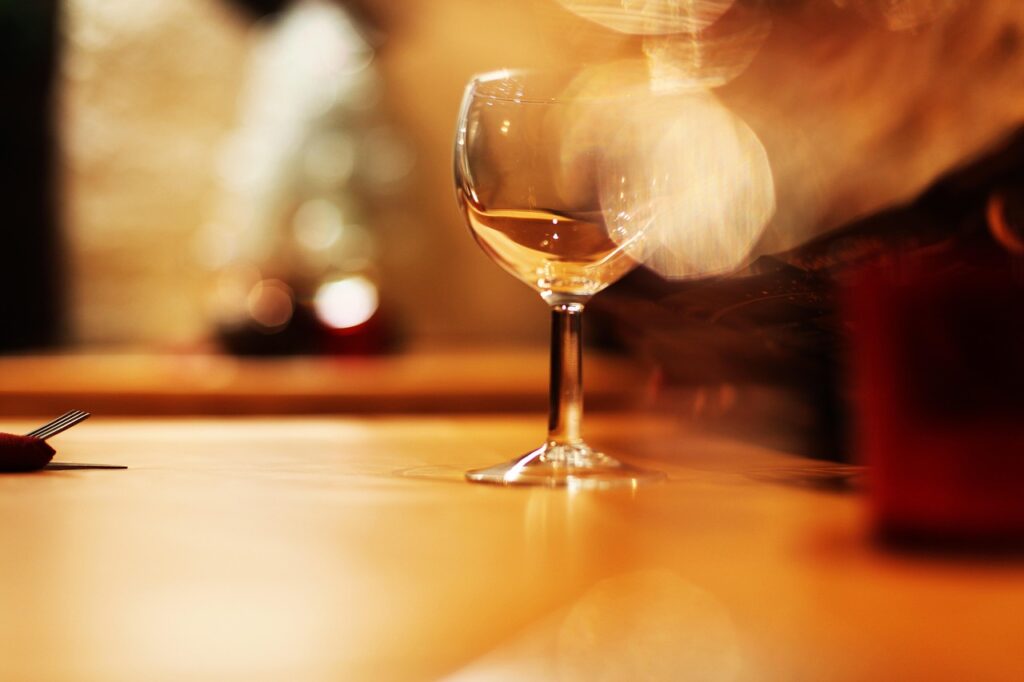
Image by Patrick CHARTOL from Pixabay
The Price of a Gilded Pour
The entrance fee for this new era is remarkably steep. This Saudi Arabia alcohol laws reform does not serve the masses. Instead, it is a privilege for the upper class and wealthy expatriates. To buy spirits legally, residents must hold “premium residency” status. They must also prove a staggering monthly income.
Specifically, buyers need an income of at least 50,000 Saudi Riyals. This requirement translates to approximately $14,025 USD or €13,000 EUR per month. Because of this financial firewall, alcohol remains a marker of high status. Furthermore, prices in designated shops are intentionally high. A bottle of Scotch in Riyadh is not just a drink; it is a high-stakes investment. You can read more about [luxury lifestyle trends in the Middle East] to see how this compares to other regional hubs.
Rituals of Secrecy in the Diplomatic Quarter
The process of buying alcohol remains shrouded in mystery. Currently, only one specialized store exists in Riyadh’s guarded Diplomatic Quarter. The government originally intended this store for non-Muslim diplomats. However, they have now opened the doors to a select group of high-earning expatriates.
The user experience here is far from a casual shopping trip. Upon entry, patrons must seal their smartphones in pouches. This prevents any photography or videography. This enforced privacy shows that the government is not ready to televise these changes. Additionally, a strict point-based quota system regulates every transaction. This ensures that while the wealthy can indulge, they cannot over-consume.
[Image: The exterior of a modern, discreet building in Riyadh’s Diplomatic Quarter]
Cultivating a New Global Palate
Why would the Kingdom allow a luxury that was once strictly taboo? The answer lies in the growing tourism sector. Specifically, the government wants to boost projects along the Red Sea coast. According to a recent tourism report, high-end travelers view meals as cultural dialogues. For these visitors, the absence of alcohol was a significant hurdle.
This reform is a strategic move to join the global culinary scene. By providing fine spirits, the Kingdom caters to the “Human Element.” This includes the desire for comfort and the rituals of celebration. It is an acknowledgment that global players must accommodate global tastes.
As this chapter unfolds, we must wait to see if these rules change for the wider public. For now, the Kingdom has chosen a path of “exclusive moderation.” In the sands of Riyadh, the vintage is finally being uncorked, but only for those who can afford the pour.