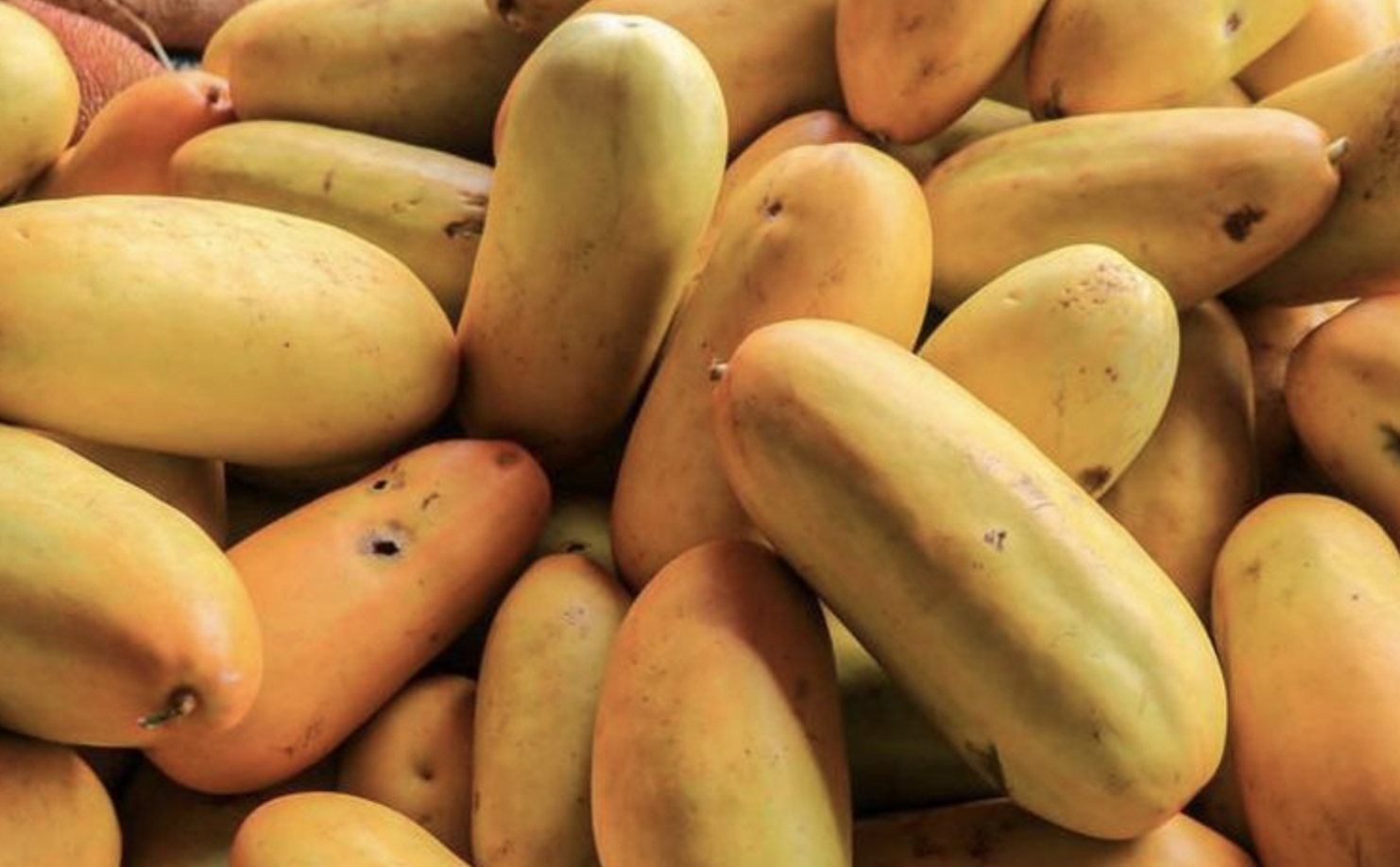
As the crescent moon signals the arrival of the holy month of Ramadan, the vibrant street markets of Southeast Asia undergo a seasonal transformation. Among the myriad of dates and traditional delicacies, one particular botanical treasure takes center stage: the Timun Suri. Known scientifically as a cultivar of Cucumis melo, this oval-shaped, golden-hued fruit is more than just a seasonal harvest; it is a cultural icon of refreshment. For millions observing the fast, selecting the perfect specimen is a ritual that ensures the evening Iftar is met with the highest quality of hydration and flavor.
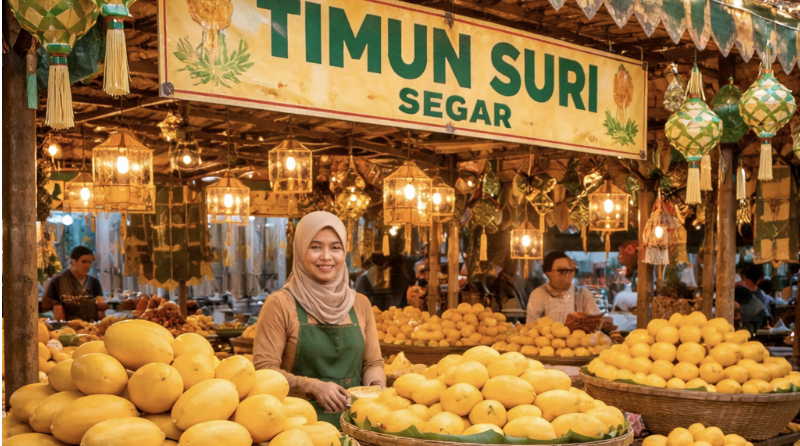
The Cultural Significance of Timun Suri in Ramadan
While many global observers are familiar with the importance of dates during the breaking of the fast, the regional reliance on Timun Suri offers a fascinating glimpse into local agricultural cycles. Unlike common cucumbers or watermelons, this fruit is primarily cultivated to peak during the fasting month. Its high water content and soft, pulpy texture make it an ideal base for Es Buah (fruit ice) or Es Timun Suri, providing essential electrolytes and fluids to a body that has abstained from water since dawn.
According to reports on regional agricultural trends by Reuters, seasonal demand for specific produce during religious festivals can shift local economies significantly. In Indonesia, the surge in demand for this fruit creates a temporary but vital marketplace for local farmers. However, the window for peak ripeness is narrow, making the consumer’s ability to distinguish between a “green” fruit and a perfectly matured one a necessary skill.
3 Essential Tips for Selecting the Ripe Timun Suri
Selecting the right fruit can be the difference between a refreshing treat and a lackluster, flavorless addition to your drink. To ensure you bring home the best quality, follow these three expert-vetted criteria.
1. Examining the Skin’s Texture and Cracks
One of the most counterintuitive aspects of picking a Timun Suri is that physical perfection is often a sign of immaturity. In the world of seasonal melons, a “cracked” exterior is frequently the hallmark of a fruit that has matured naturally on the vine.
When you see small, natural fissures on the skin, it indicates that the internal sugars and moisture have expanded to the point of breaking the rind. These “cracks” are a reliable sign that the fruit is at its peak sweetness. While the color can range from a pale lime green to a deep golden yellow, the color itself is less indicative of ripeness than these structural markers.
2. Assessing the Firmness and Internal Density
The tactile experience of choosing produce is a lost art in the age of pre-packaged groceries. To find the best Timun Suri, you must use a gentle touch. A ripe specimen should feel slightly soft when pressed, offering a subtle “give” that suggests the internal fibers have begun to break down into their signature creamy consistency.
However, there is a fine line between ripe and overripe. If the fruit feels mushy or if your finger leaves a permanent indentation, it has likely begun to ferment or rot. The ideal fruit remains “renyah” (crunchy) yet tender—a balance that provides the best mouthfeel when mixed with coco-pandan syrup or condensed milk. For more on maintaining a balanced diet during the fasting month, see our Ramadan Wellness Guide.
3. Identifying the Sweet, Characteristic Fragrance
Perhaps the most definitive test for any melon variety is the olfactory test. A Timun Suri that has ripened naturally in the sun will emit a distinct, sweet fragrance that can be detected even through its thick skin. This aroma is often described as a mix of fresh cucumber and mild cantaloupe.
If the fruit has no scent, it was likely harvested too early. Conversely, an overpowering, sour, or “boozy” smell indicates that the fruit has been artificially ripened or is past its prime. Journalistic investigations into food quality by BBC News often highlight how natural ripening processes are superior for nutrient retention compared to chemically induced methods.
Health Benefits and Nutritional Value
Beyond its refreshing taste, the Timun Suri is a nutritional powerhouse for those fasting. It is rich in Vitamin C, which supports the immune system, and contains significant amounts of potassium, which helps regulate blood pressure and fluid balance. Its cooling properties are recognized in traditional medicine as a way to reduce “internal heat,” a common complaint during long periods of fasting in tropical climates.
As noted in health bulletins from AP News regarding heatwave safety, staying hydrated with water-rich foods is often more effective than water alone, as the sugars and minerals in the fruit help the body absorb moisture more efficiently.
Conclusion: A Seasonal Masterpiece
Mastering the selection of Timun Suri is an investment in your Ramadan experience. By looking for natural skin cracks, feeling for a firm yet yielding texture, and seeking out that unmistakable sweet aroma, you ensure that your Iftar table is graced with the very best of the season. As we look toward the global food landscape, these local traditions remind us that the most sophisticated culinary experiences often come from the simplest, most carefully chosen ingredients.
For further reading on how climate change is affecting seasonal harvests like these, visit The New York Times for their latest environmental impact reports.
For more breaking news updates, click here to explore our latest coverage.