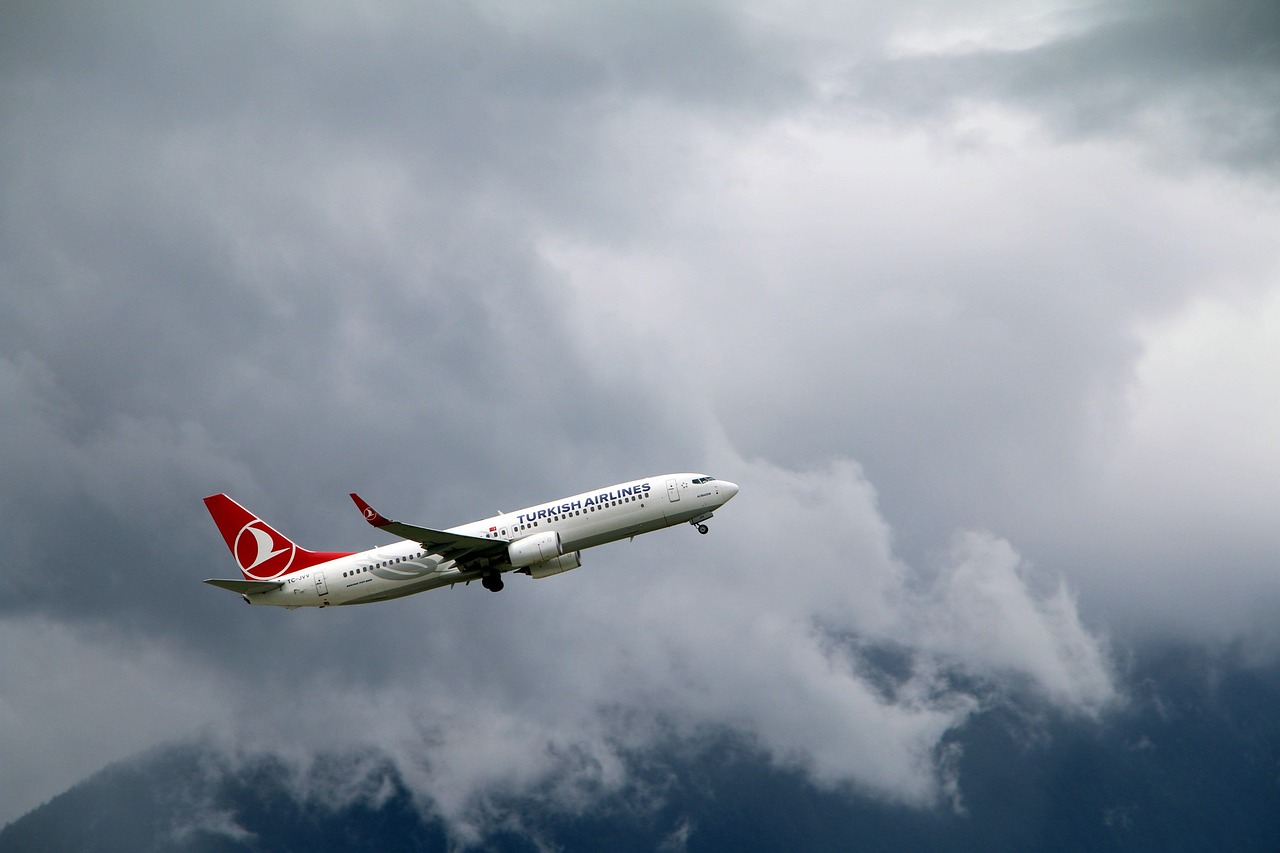
For the 225 passengers aboard Turkish Airlines Flight TK727, the journey began with the beauty of the Himalayas. Leaving Kathmandu is a sensory experience. The air is thin and crisp. Furthermore, the sight of the world’s highest peaks through an Airbus A330 window is a luxury travel memory people chase for a lifetime.
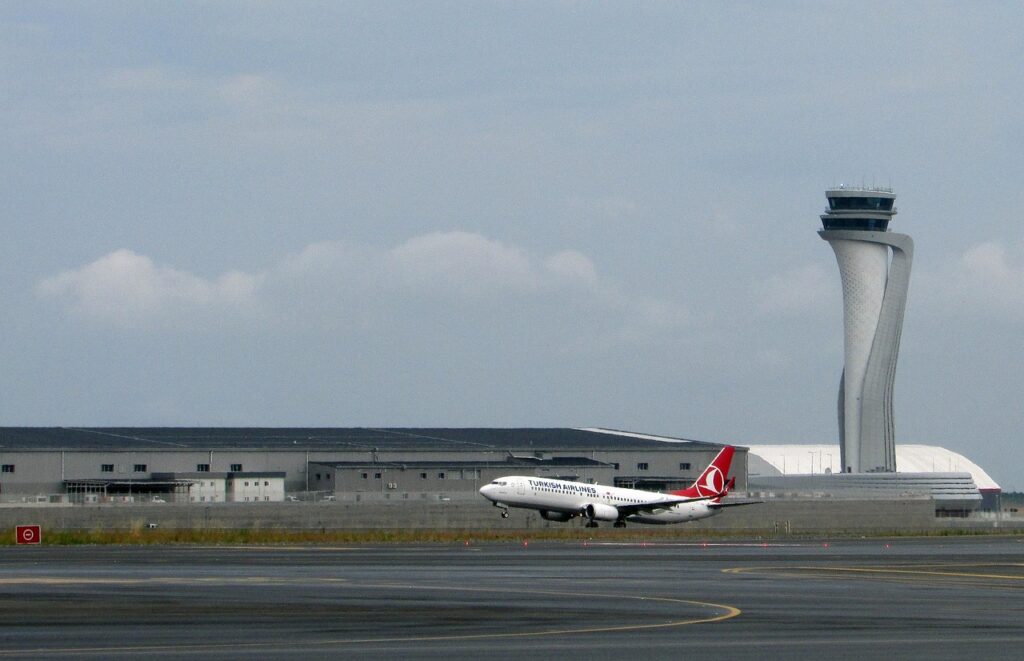
However, on Wednesday, February 4, 2026, that serenity shattered just four minutes into the ascent. What started as a ten-hour odyssey to Istanbul transformed into a masterclass in aviation crisis management. As the aircraft climbed away from Tribhuvan International Airport, a violent orange glow erupted from the right engine. This mechanical failure forced a dramatic 6,000-kilometer detour from the flight’s final destination.
A Fiery Ascent from the Roof of the World
The incident began at 13:28 local time. Most travelers were likely settling into their seats and browsing the inflight entertainment. Meanwhile, others caught a final glimpse of the Nepalese landscape. According to Teknath Sitaula, the general manager of Tribhuvan International, the right engine of the Airbus A330-303 caught fire almost immediately after takeoff.
In the cabin, the atmosphere shifted from a quiet hum to a state of controlled panic. Witnesses reported seeing flames billowing from the engine casing. This sight triggers a primal fear in even the most seasoned globetrotter. Consequently, the psychology of the traveler changes in these moments. The focus shifts from high-end hotels and historic vistas to the visceral reality of the present second. During those four minutes, the aircraft was no longer a vessel of luxury. Instead, it became a pressurized tube grappling with the laws of physics.
The Longest Ten Minutes: Navigating the Crisis
The cockpit remained a scene of disciplined precision. The pilots faced one of the most stressful scenarios in commercial aviation. However, they followed the rigorous safety protocols that define modern standards. After notifying air traffic control in Kolkata of a “potential fire,” the crew executed a textbook engine shutdown.
The Airbus A330-303 is a massive, twin-engine long-haul machine. Engineers designed it for exactly this vulnerability. Under aviation regulations, commercial aircraft must be capable of sustained flight on a single engine. Even so, flying over the rugged terrain of the Indian subcontinent with half your power is a difficult task. It requires nerves of steel.
The crew diverted the aircraft westward. They eventually lined up for an emergency approach at Netaji Subhash Chandra Bose International Airport in Kolkata. For approximately ten minutes, the crew maintained flight on one engine. They touched down safely at 14:49 local time. It was a successful conclusion to a terrifying ordeal. All 225 passengers and 11 crew members evacuated onto the tarmac without a single injury.
Beyond the Tarmac: The Traveler’s Perspective
From a luxury travel perspective, this event serves as a jarring reminder. It shows the fragility of our global connections. Travelers choose carriers like Turkish Airlines because of their expansive network and reputation. Yet, when an engine fails at 10,000 feet, the “experience” depends on the reliability of the metal. It also depends on the training of the humans at the controls.
This incident also highlights the logistical fragility of Himalayan travel. Kathmandu’s Tribhuvan International Airport suspended all operations for 15 minutes following the report. This ripple effect delayed hundreds of other travelers. For the high-net-worth individual, these disruptions are more than a nuisance. They represent a breakdown of the “seamless” promise of modern luxury travel.
The diversion to Kolkata—a city known for colonial architecture—was not on anyone’s itinerary. Investigators at the airport are now examining the charred remains of the right engine. Meanwhile, the passengers must process the psychological weight of their near-miss.
Trust and the Future of Aviation Safety
As we look toward the future of travel in 2026, the “human element” remains critical. We increasingly rely on automation and AI to navigate our skies. However, the successful landing in Kolkata was a victory for human training.
For the aviation industry, this event underscores a shift in traveler expectations. Safety is no longer just a manual entry. It is a core part of a brand’s luxury identity. A carrier that handles a crisis with this level of competence often earns deep loyalty. This loyalty is stronger than what a better meal service provides.
The 225 souls who walked off that plane in Kolkata didn’t reach the Bosphorus that day. But they did gain a profound appreciation for the invisible safety net beneath every flight. In the world of “Odyssey Weekly,” we often talk about the soul of a place. Sometimes, the most soul-stirring experience isn’t the destination. Instead, it is the moment you realize you are safe after all.