
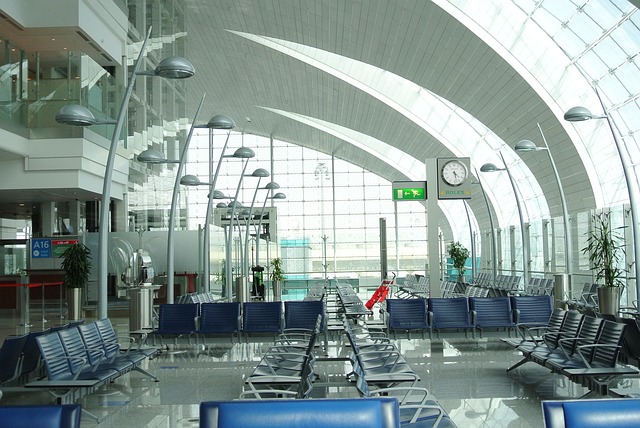
The UAE Government recently launched a massive humanitarian and logistical operation to support 20,200 passengers currently stranded across the Emirates due to escalating regional hostilities. As conflict intensifies between the United States, Israel, and Iran, the resulting airspace closures have paralyzed one of the world’s most vital aviation hubs. Unlike previous travel disruptions, the federal authorities have stepped in to ensure that no traveler remains without shelter or faces predatory pricing during this period of forced stay.
How the UAE Government Manages 20,200 Displaced Travelers
The General Civil Aviation Authority (GCAA) issued a directive confirming that the state will bear the full financial burden of accommodation for those unable to depart. This decision comes after thousands of travelers found themselves in a legal and financial limbo, having already checked out of their hotels before discovering their flights were canceled. The Reuters news agency reported that this initiative aims to maintain the nation’s reputation as a safe global transit point despite the surrounding geopolitical volatility.
Abu Dhabi’s Strategic Intervention
In the capital, the Department of Culture and Tourism Abu Dhabi (DCT Abu Dhabi) sent an urgent circular to all hotel establishments within the emirate. The document explicitly instructs hotel managers to extend the stays of guests who reached their check-out dates but cannot travel due to “reasons beyond their control.” The UAE Government has committed to reimbursing these hotels directly, ensuring that the private sector does not suffer losses while protecting the welfare of international visitors.
This move follows a serious security incident at Zayed International Airport. Operations there ceased after falling debris from a drone interception resulted in one fatality and seven injuries. The closure of the capital’s primary gateway necessitated an immediate response to house the thousands of passengers who were already processed through immigration or waiting in transit lounges.
Dubai’s DET Mandate for Hotels
The Department of Economy and Tourism (DET) in Dubai implemented a similar protocol to manage the overflow at Dubai International Airport (DXB) and Al Maktoum International Airport (DWC). The DET requires hotels to offer extension options under the same conditions as the original booking. For travelers who have exhausted their personal funds, the DET has established a direct reporting line. Hotels must notify the department immediately if a guest cannot pay, at which point the government assumes the bill.
The scale of the disruption in Dubai is unprecedented. Dubai Airports suspended all flight operations at both DXB and DWC until further notice. This total shutdown affects hundreds of daily flights, including those operated by BBC News reported flagship carriers like Emirates and flydubai.
Regional Impact of the Conflict
The aviation crisis extends far beyond the borders of the Emirates, creating a domino effect across the Gulf Cooperation Council (GCC) states. As the UAE Government secures its own borders and visitors, neighboring countries face similar logistical nightmares. The closure of regional airspace has turned the Middle East’s flight paths into a “no-go zone” for international carriers.
Qatar and Kuwait Airport Disruptions
In Doha, Hamad International Airport halted all operations, advising passengers to stay away from the terminal entirely. Qatar Airways, which typically operates a massive network of connecting flights, announced that it would provide updates but offered no immediate timeline for resumption. Meanwhile, the situation in Kuwait took a more violent turn.
On February 28, a drone strike hit Terminal 1 of Kuwait International Airport, injuring nine workers and causing significant structural damage. Consequently, Kuwait closed its airspace to assess the damage and prevent further casualties. This specific attack highlights the physical risks that prompted the UAE Government to take such drastic preventative measures for its own facilities. Information regarding related regional travel disruptions suggests that the recovery of the Kuwaiti terminal may take weeks rather than days.
Saudi Arabia and Oman Aviation Adjustments
The Kingdom of Saudi Arabia followed the lead of the UAE Government by announcing similar measures for travelers stranded within its borders. Saudi authorities are providing free accommodation to ensure that the influx of pilgrims and business travelers does not lead to a humanitarian crisis. Further south, Oman Air and Saudia have canceled all flights to and from major regional cities until at least March 2.
The Associated Press noted that the financial impact of these cancellations is in the hundreds of millions of dollars per day. However, the priority for the UAE remains the safety and stability of its tourism infrastructure. By removing the financial anxiety of 20,200 travelers, the state is effectively managing a potential public relations disaster.
Airline Operational Suspensions
Carriers have had to make difficult choices as the conflict shows no signs of abating. Etihad Airways confirmed a suspension of all services until at least 14:00 local time on Tuesday. Emirates followed suit, grounding its fleet until 15:00 on the same day. These windows of suspension are frequently extended as the The New York Times monitors the military movements in the Persian Gulf.
The UAE Government continues to coordinate with the GCAA to monitor the “pencegatan” (interception) zones where drone activity remains high. Until the regional powers reach a de-escalation agreement, the world’s busiest international airport remains a silent field of parked wide-body jets. The 20,200 passengers now rely entirely on the hospitality mandates issued by the Dubai and Abu Dhabi tourism departments.
For more travel inspiration and destination guides, explore our latest travel articles here.