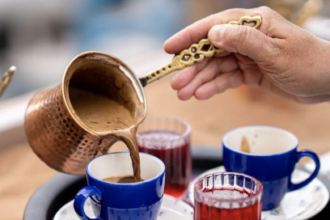

Ramadan coffee traditions trace their lineage back to the 15th-century Sufi monasteries of Yemen, where the “wine of Araby” fueled late-night devotions. Today, the transition into the holy month presents a massive challenge for the modern palate accustomed to a steady stream of caffeine. When the sun rises and the fast begins, the sudden absence of your morning brew triggers more than just a longing for aroma; it initiates a physiological rebellion.

The Historical Context of the Bean
The Islamic world essentially birthed the global coffee house culture. From the vibrant stalls of Istanbul to the quiet corners of Cairo, the bean served as a social lubricant and a spiritual aid. However, the modern obsession with high-octane espressos makes the Ramadan transition jarring. To honor the spirit of the month without the crushing weight of a caffeine headache, one must adopt a strategic approach to consumption.
Essential Ramadan Coffee Strategies for the Modern Fast
The biological clock resets during this month, and your central nervous system requires a roadmap to navigate the change. Practitioners who ignore the timing of their caffeine intake often face “caffeine withdrawal,” a state marked by irritability and lethargy that detracts from the spiritual focus of the fast.
1. Execute a Gradual Caffeine Reduction
Begin your transition before the crescent moon appears. Stopping cold turkey invites disaster. Instead, systematically reduce your daily intake by twenty-five percent each day leading up to the first fast. This method allows the adenosine receptors in your brain to recalibrate without the shock of total deprivation. Many connoisseurs find success by blending their standard beans with high-quality decaffeinated options. You can explore the nuances of bean processing at Food & Wine to understand how different roasts impact your nervous system.
2. Master the Timing of Suhoor and Iftar
Timing dictates the success of your fast. If you choose to consume caffeine during Suhoor, the pre-dawn meal, keep the volume low. Excessive caffeine acts as a diuretic, flushing essential fluids from your system before the day even begins. Balance every cup with two cups of water and hydrating foods like watermelon or yogurt.
Conversely, the period after Iftar offers a window for replenishment. However, the golden rule remains: wait. The body requires immediate glucose and hydration upon breaking the fast. Introducing a stimulant to an empty stomach immediately upon sunset causes a spike in cortisol and potential digestive distress.
3. Observe the Post-Iftar Buffer Zone
Wait at least thirty to sixty minutes after your initial meal before reaching for the carafe. This buffer allows your blood sugar to stabilize. During this interval, focus on traditional Halal Dining Traditions that prioritize dates and light soups. Once your digestion settles, a small cup of coffee provides the necessary alertness for the Taraweeh prayers without overwhelming the gastric lining.
4. Prioritize Systematic Hydration
The diuretic nature of caffeine requires a proactive hydration strategy. Coffee drinkers must view water not as a secondary beverage, but as a primary requirement. Incorporating electrolytes is vital. Potassium-rich foods like bananas and the natural salts found in coconut water help retain the moisture that caffeine attempts to expel. A disciplined 8-glass rule between Iftar and Suhoor remains the gold standard for those who refuse to give up their beans.
5. Select Low-Acidity Brewing Methods
Not all extraction methods treat the fasting stomach with kindness. Cold brew coffee stands out as the premier choice during Ramadan. The cold-water extraction process pulls fewer bitter oils and acids from the grounds, resulting in a beverage that is roughly 60% less acidic than hot-brewed coffee. This lower acidity reduces the risk of acid reflux during the long hours of the fast. For those seeking the pinnacle of coffee quality, the Michelin Guide offers insights into the world’s most refined extraction techniques.
6. Integrate Ancient Herbal Alternatives
History provides a wealth of non-stimulant alternatives that satisfy the ritual of a warm cup. Peppermint tea aids digestion after a heavy Iftar meal, while chamomile promotes the deep sleep necessary during the shortened nights of the month. The “Golden Milk” of the East—a blend of turmeric, black pepper, and warm milk—offers anti-inflammatory benefits that support the body through the physical rigors of fasting.
The Traditional Arabic Coffee Advantage
Returning to the roots of the tradition often provides the best solution. Traditional Arabic coffee, or Gahwa, is typically brewed with cardamom and served in tiny cups called finjals. The caffeine content is significantly lower than a standard Americano or latte. Cardamom acts as a natural digestive aid and helps neutralize some of the acidity in the coffee. This ancient preparation aligns perfectly with the need for moderation during the holy month.
By applying these massive shifts in habit, you preserve the ritual of the bean while honoring the requirements of the fast. The goal remains a balanced state of “Muraqaba” or mindfulness, where neither thirst nor the fog of withdrawal clouds the spiritual journey. Adjust your brewing, respect the clock, and maintain the hydration that your body demands.
Read more coffee articles by visiting this link