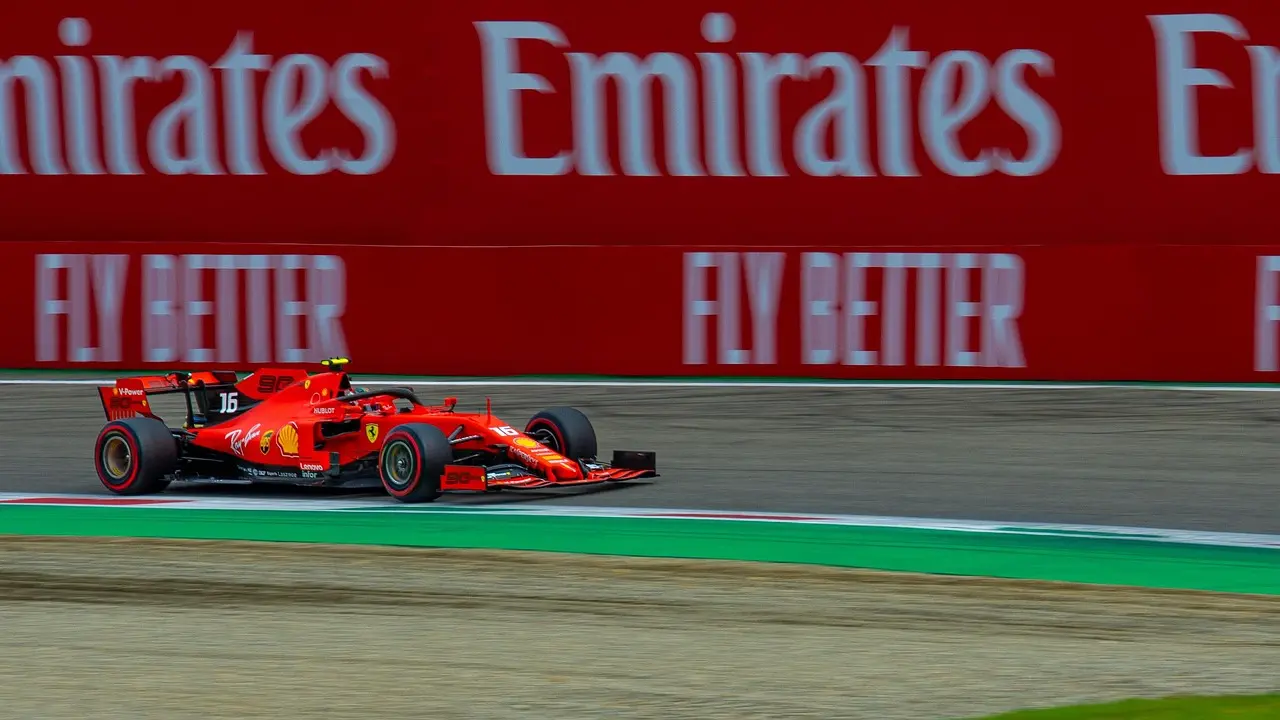
Formula One currently faces an existential crisis disguised as a financial triumph. While the balance sheets at Liberty Media look healthier than ever, the soul of the sport remains trapped between two conflicting identities. Max Verstappen recently voiced his frustration, claiming that the current generation of cars prevents drivers from going “flat out.” His grumbling highlights a fundamental rift: is this a competition of pure speed, or a carefully manufactured reality show?
The Identity Crisis of Formula One Engineering and Speed
Formula One labels itself the “pinnacle of motorsport,” but that title carries heavy baggage. If the goal were purely speed, the current technical regulations would look vastly different. We currently see a 267-page rulebook that actively hamstrings innovation to ensure “closer racing.” If engineers were truly unleashed—given active aerodynamics and ground-effect fan technology like the McMurtry Spéirling—lap times would tumble by ten seconds or more.
Instead, the Autocar technical analysis suggests that the FIA prioritizes spectacle over raw velocity. This creates a paradox. We watch the “fastest” cars in the world, yet they are intentionally slowed down to accommodate human biology and track safety limits. The result is a compromised machine that frustrates purists like Verstappen while providing just enough speed to keep the casual viewer engaged.
1. The Death of the “Flat-Out” Era
Verstappen’s critique strikes at the heart of the driving experience. Modern Grand Prix racing focuses on tire management, energy recovery systems, and fuel saving. Drivers rarely push the limits of the chassis for more than a handful of laps. They are managers of complex systems rather than gladiators wrestling mechanical beasts. This shift has fundamentally altered the DNA of the sport. We see more skill in Future of Electric Racing energy management than in the raw, unadulterated bravery of the 1980s turbo era.
2. Engineering as a Regulatory Puzzle
Fans used to marvel at radical designs like the six-wheeled Tyrrell or the Brabham “fan car.” Today, engineering brilliance involves finding a 0.5mm loophole in the front wing endplate regulations. While this is intellectually impressive, it fails to capture the imagination of the next generation. As noted by Car and Driver, the cost cap further stifles the “win at all costs” mentality that once defined the paddock.
3. The Rise of the Sport-Adjacent Soap Opera
The most significant transformation in Formula One has nothing to do with aerodynamics. It is the “Netflix effect.” By leaning into the interpersonal drama of the paddock, the sport has found a massive new audience that couldn’t care less about MGU-K recovery rates. The drama is the product; the racing is merely the backdrop. This reality-TV pivot ensures that even a boring race weekend generates millions of social media impressions through “carefully managed” tension between team principals.
4. The Illusion of Wheel-to-Wheel Action
The 2022 regulation change aimed to allow cars to follow closer, yet the DRS (Drag Reduction System) remains a necessary crutch. True overtaking—the kind where a driver out-brakes an opponent through sheer willpower—is increasingly rare. Most “passes” occur on straightaways with a flap open, a mechanical advantage that feels more like a video game power-up than a sporting achievement.
5. The Genius of Vagueness
Formula One succeeds because it refuses to define itself. By remaining vague about its purpose, it allows every demographic to project their desires onto the screen. Tech enthusiasts focus on the power units. Speed freaks watch the qualifying laps. New fans follow the “Drive to Survive” storylines. This lack of a singular “point” isn’t a bug; it’s the ultimate feature. It creates a vacuum of opinion that drives constant engagement and debate.
Why the Controversy Drives the Market
Market trends show that controversy is more profitable than perfection. Every time a fan rages about a steward’s decision or a technical infringement, the algorithms win. Formula One has mastered the art of “engagement through friction.” Whether it’s the budget cap breach or the latest driver swap rumor, the noise never stops.
The Motor Trend financial report indicates that Formula One’s valuation has skyrocketed because it stopped trying to be a pure sport and started being a global content platform. The racing serves the narrative, not the other way around. Max Verstappen might want a car that allows him to drive flat-out until the tires melt, but the commercial reality demands a car that can follow closely enough to make for a good highlight reel on Instagram.
Ultimately, the “point” of Formula One is whatever keeps you watching. If you are arguing about the validity of the current regulations, you are already part of the machine. The sport thrives on the very grumbling that Verstappen provides. In the modern era, a disgruntled world champion is just as valuable as a happy one—perhaps even more so. The friction is the fuel, and the tank is currently overflowing.