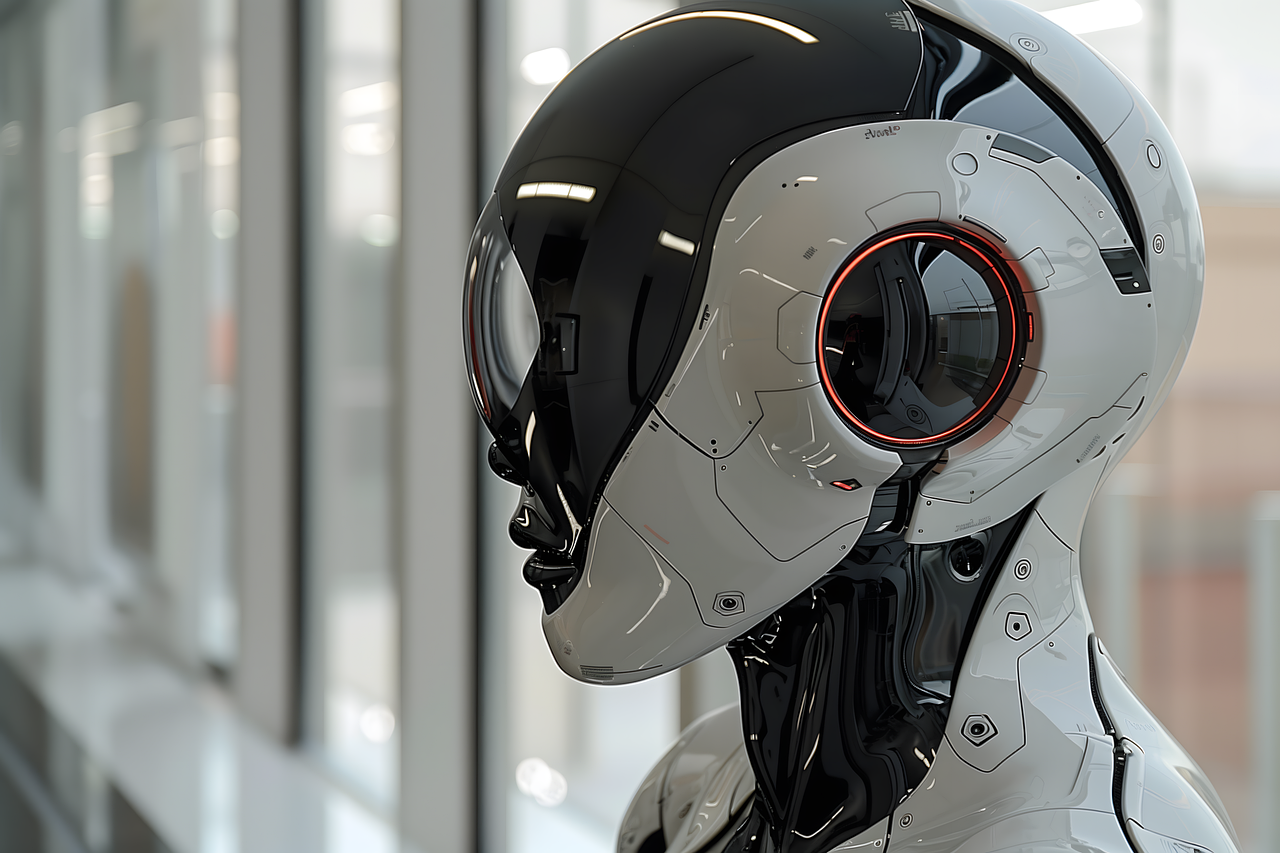
AI Robots are no longer a distant science fiction trope; they are becoming the primary workforce of the 21st century. According to recent data from Citi, the population of these autonomous machines will explode in the coming decades, eventually outnumbering human workers. This shift represents one of the most significant economic transitions in human history, driven by a relentless corporate pursuit of profitability and efficiency.
Rob Garlick, the former Head of Innovation, Technology, and Future of Work at Citi, highlights a grim reality for the global labor force. In a recent interview with The Verge, analysts noted that the convergence of generative AI and advanced mechanical engineering has accelerated the timeline for mass adoption. Garlick suggests that our current economic systems prioritize profit above all else, and AI-driven automation offers the most direct path to increasing margins.
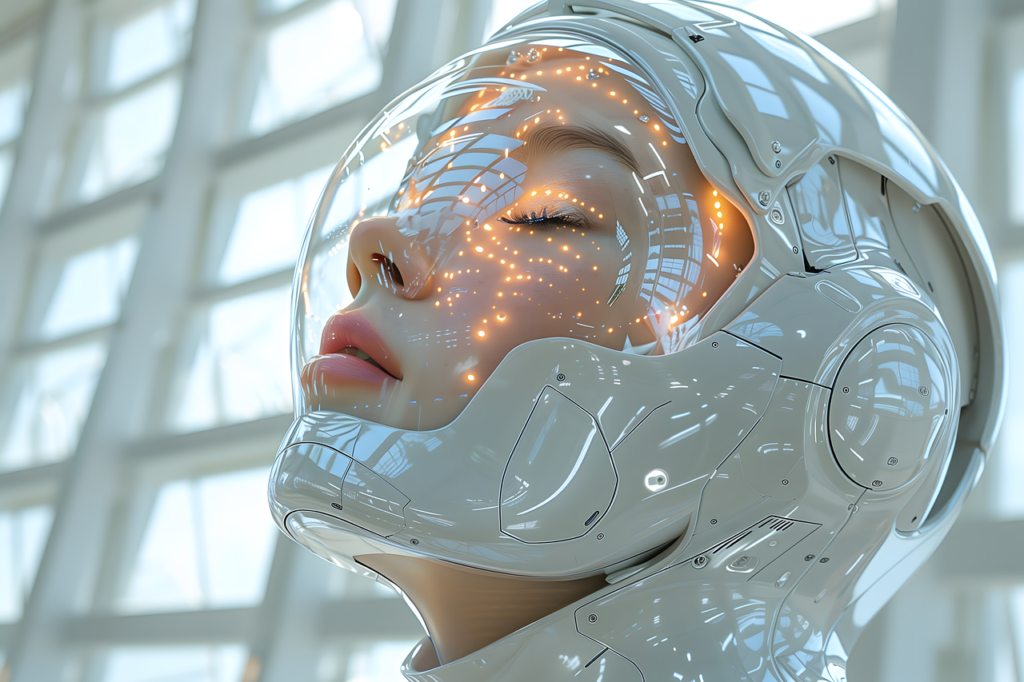
Why AI Robots Are Set to Outnumber Human Workers
The trajectory for AI Robots indicates a staggering growth pattern. Citi’s 2024 report predicts that the population of active robots—ranging from complex humanoid units to autonomous delivery vehicles—will reach 1.3 billion by 2035. By 2050, that number is expected to skyrocket to 4 billion. This surge effectively means that machines will perform more tasks, do them better, and cost significantly less than their human counterparts.
“When you combine profitability with technological advancement, we are witnessing the largest trade in history,” Garlick explained during a CNBC appearance. He noted that the transition isn’t just about large-scale industrial machines. The rise of “small AI agents” and specialized software bots will supplement physical hardware, creating a saturated ecosystem where human labor becomes the exception rather than the rule.
The Brutal Math of Robotic ROI
The driving force behind this displacement is purely financial. For a business owner, the decision to replace a human with one of many AI Robots comes down to the Return on Investment (ROI). The Citi report breaks down these numbers with cold precision.
Consider a humanoid robot priced at $15,000. If this robot replaces a human worker earning $41 per hour, the company reaches its break-even point in just 3.8 weeks. Even a more expensive unit costing $35,000 pays for itself in 8.9 weeks when replacing a similarly paid human. As documented by TechCrunch, the manufacturing costs for these robots continue to plummet as production scales, making the barrier to entry lower for small and medium-sized enterprises.
Compared to a human employee who requires benefits, insurance, breaks, and consistent raises, a robot represents a one-time capital expenditure with minimal maintenance costs. “Humans simply cannot compete in this environment,” Garlick warns. This disparity creates a vacuum in the labor market that traditional policy-making struggles to address.
The Consumer Impact of a Robot-First Economy
While businesses see higher profits, the consumer impact of AI Robots remains a double-edged sword. On one hand, the cost of goods and services could drop significantly as production expenses fall. On the other hand, the massive displacement of workers threatens the very purchasing power required to sustain a consumer economy.
We are already seeing these shifts in the future of automation across retail and logistics. Companies like Amazon and Tesla are investing billions into proprietary robotics to streamline their supply chains. According to Wired, the goal is a “lights-out” factory model where human presence is unnecessary.
The Era of the Small AI Agent
It isn’t just the physical humanoid robots that workers should watch. The explosion of “small AI agents”—software-based entities that handle administrative, creative, and analytical tasks—will complement physical AI Robots. This multi-pronged approach targets both blue-collar and white-collar sectors simultaneously.
Garlick’s research suggests that the “explosion” of these agents will happen much faster than the deployment of physical hardware. Software scales instantly. While a factory needs time to install 1,000 robots, a corporation can deploy 10,000 AI agents across its global network with a single update. This creates a pincer movement on the global workforce.
Navigating a Machine-Dominant Workforce
As AI Robots take over repetitive and even complex cognitive tasks, the definition of “work” must evolve. Current educational systems still prepare students for roles that Citi predicts will be automated by 2035. Industry experts at Engadget suggest that the only remaining “safe” niches involve high-level strategy, complex interpersonal empathy, and specialized trade skills that require unpredictable physical movement.
The transition to a world with 4 billion robots requires more than just technological adaptation; it requires a fundamental rethink of how society distributes wealth. If the machines own the labor, and corporations own the machines, the traditional link between work and survival breaks. The data from Citi doesn’t just predict a change in the workforce; it predicts a total transformation of the human experience.
The move toward AI Robots is no longer a “maybe.” It is a mathematical certainty driven by the core mechanics of global capitalism. As the ROI for human labor continues to vanish, the push for total automation becomes an existential race for every major corporation on the planet. Workers, policymakers, and consumers must now prepare for a world where the most common colleague isn’t a human, but a machine designed for maximum profit.
For more breaking technology news and expert brew updates, click here to explore our latest coverage.