
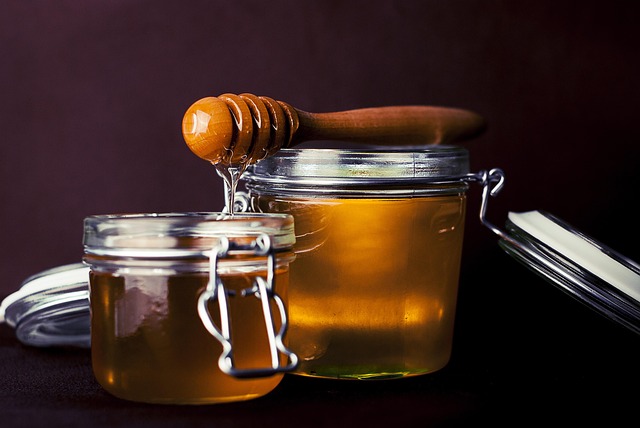
Honey in Coffee transforms a routine caffeine fix into a liquid historical artifact that predates the industrial refinement of white sugar. Long before the modern barista reached for a syrup pump, ancient civilizations recognized the symbiotic relationship between the dark, acidic notes of roasted beans and the floral complexity of bee-produced nectar. This combination does more than just mask bitterness; it creates a chemical profile that challenges our contemporary understanding of nutrition and flavor. By examining the structural differences between raw nectar and processed sucrose, we find that this ancient pairing holds the key to a more sustained energy release and a superior sensory experience for the discerning palate.
Why Honey in Coffee Outshines Refined Sugar
The transition from granulated sugar to Honey in Coffee represents a return to artisanal integrity. While white sugar provides a one-dimensional sweetness that often flattens the nuanced profile of a high-altitude Arabica, honey introduces a spectrum of enzymes and organic compounds. Data indicates that honey possesses a higher concentration of fructose and glucose compared to the sucrose found in table sugar. This molecular structure allows the tongue to perceive sweetness more intensely, meaning a smaller volume of honey achieves the same level of palatability as a larger heap of sugar.

Historically, the Sufi monks of Yemen—some of the earliest documented coffee drinkers—often sought out natural additives to enhance their midnight vigils. They understood instinctively what modern science now confirms: honey’s unrefined nature makes it significantly easier for the human body to process. According to research highlighted by Food & Wine, the digestive system breaks down honey with minimal effort, whereas refined sugar requires a more complex enzymatic process that can lead to energy crashes. This makes the honey-coffee pairing not just a culinary choice, but a functional one for those seeking prolonged mental clarity.
The Caloric Paradox of the Golden Nectar
Critics often point to the caloric density of honey as a reason for avoidance. A single teaspoon of honey contains approximately 23 calories, while the same amount of white sugar contains only 16. However, this narrow focus on numbers ignores the metabolic “quality” of those calories. White sugar undergoes extensive processing that strips away all nutritional value, leaving behind “empty” calories that spike blood glucose levels.
In contrast, Honey in Coffee delivers a payload of antioxidants and antibacterial properties. These bioactive compounds mitigate the oxidative stress often associated with high caffeine consumption. When you stir a teaspoon of high-quality nectar into your Black Coffee Brewing Guides, you are essentially adding a natural supplement to your beverage. The micronutrients found in honey, such as potassium, magnesium, and iron, contribute to a more balanced physiological response, preventing the jittery “spike and crash” cycle typical of sugar-laden lattes.
Master the Art of the Honey Pour
To achieve the perfect balance, one must treat honey with the same respect as the coffee bean itself. Not all honey is created equal, and the variety you choose will drastically alter the final cup. For a bold, dark roast like a French Press or a traditional espresso, a robust Buckwheat or Manuka honey provides enough backbone to stand up to the intense bitterness. Conversely, lighter roasts pair exquisitely with Acacia or Orange Blossom honey, which offer delicate citrus notes that complement the bean’s natural acidity.
The technique is simple but vital. Add approximately one teaspoon of honey to the bottom of your vessel before pouring the hot coffee. The heat of the fresh brew—ideally between 195°F and 205°F—allows the honey to dissolve completely without losing its volatile aromatic compounds. As noted in the Michelin Guide, the viscosity of honey adds a luxurious mouthfeel that sugar simply cannot replicate. This silky texture coats the palate, allowing the aftertaste of the coffee to linger far longer than it would otherwise.
Boosting Immunity Through Your Morning Mug
Beyond the flavor, the medicinal history of Honey in Coffee deserves recognition. In traditional folk medicine, the combination of warm liquid and honey served as a primary treatment for respiratory ailments and fatigue. Modern science supports these claims, identifying honey as a potent source of phenolic compounds. These antioxidants actively fight inflammation within the body, turning your morning ritual into a defensive shield for your immune system.
The antimicrobial nature of honey also provides a unique benefit to the gut microbiome. While refined sugar feeds harmful bacteria and can lead to systemic inflammation, the natural sugars in honey act as a prebiotic. This supports the growth of beneficial bacteria in the digestive tract. Experts at Eater suggest that as consumers move away from artificial sweeteners, the resurgence of honey represents a broader shift toward “functional foraging” in the kitchen. By choosing Honey in Coffee, you reject the sterile, industrial sweetness of the 20th century in favor of a rich, complex, and biologically harmonious alternative.
Discover the latest food trends, recipes, and culinary news by exploring our coverage here.