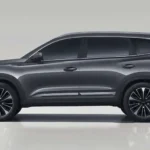
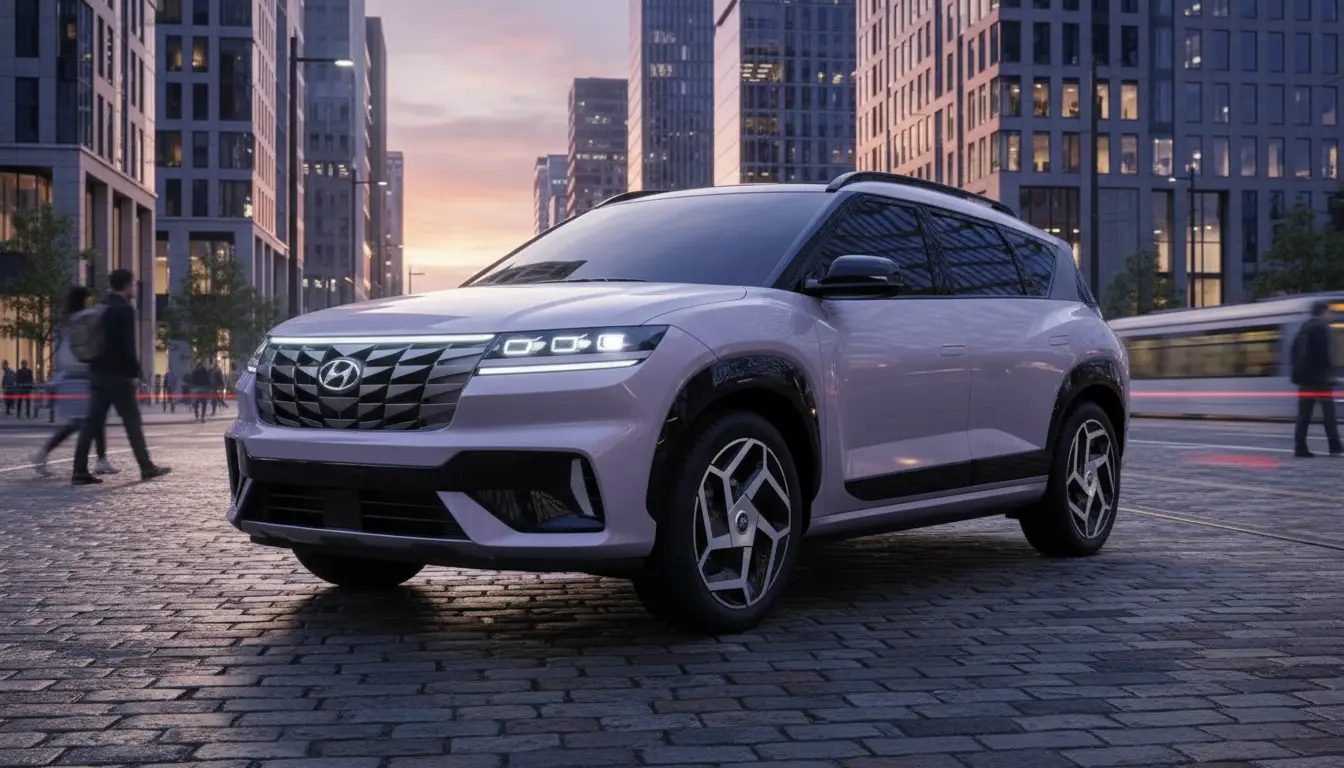
The Hyundai Elexio represents a bold line in the sand for the South Korean giant as it stares down the barrel of an aggressive Chinese electric vehicle invasion. While brands like BYD, Geely, and Leapmotor flood the Australian market with cut-price hardware, Hyundai is betting everything on the idea that you aren’t just buying a battery on wheels; you are buying a half-century of peace of mind. As the electric SUV segment heats up, the battleground has shifted from the showroom floor to the weekly budget, where a mere five-dollar difference might decide the fate of the mid-size EV market.
Why the Hyundai Elexio Wins the Value War
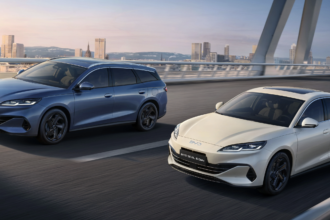
The primary justification for the Hyundai Elexio price tag lies in the sophisticated math of novated leasing. While a traditional RRP comparison shows a gap between the Elexio and the BYD Sealion 7, the real-world impact on a paycheck is negligible. According to Hyundai COO Gavin Donaldson, the Elexio Elite costs roughly $205 per week on a lease, while the entry-level Sealion 7 sits at $200. For the price of a single barista-made flat white per week, Hyundai offers a bridge between “new-age tech” and “legacy reliability.”
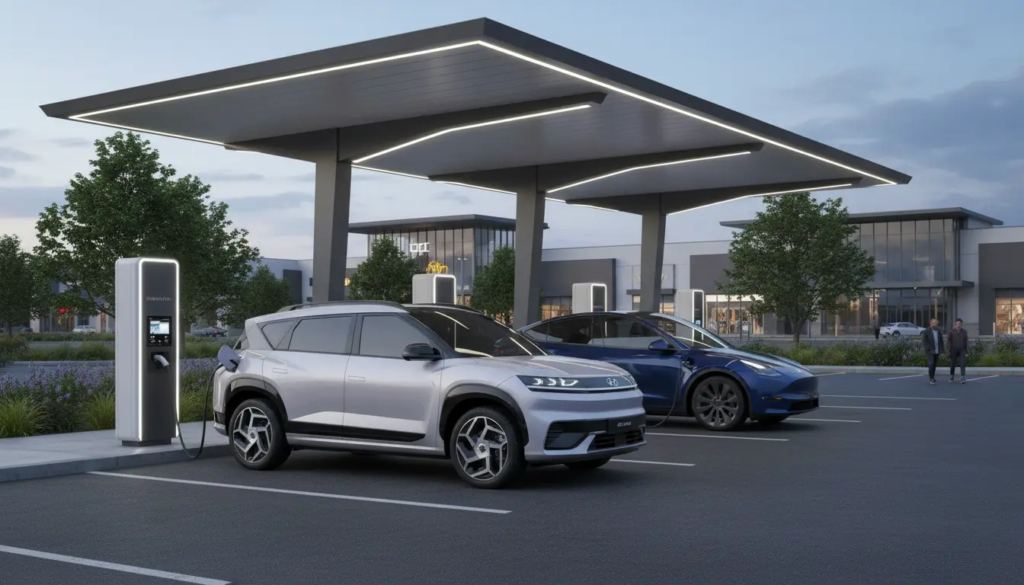
This pricing strategy targets the heart of the Australian fleet and private buyer market. When you compare these figures to the Tesla Model Y at $216 per week or the Kia EV5 at $204, the Elexio positions itself as a premium yet attainable alternative. It is a calculated move to capture buyers who feel the BYD Sealion 7 might be too much of a gamble for a first-time EV purchase.
The 40-Year Infrastructure Advantage
Donaldson is adamant that the Hyundai dealer network justifies the premium. Hyundai has spent four decades building a footprint in Australia that spans from metropolitan hubs to remote outposts. This infrastructure is something a “startup” brand simply cannot replicate overnight. If something goes wrong with your high-tech EV in the middle of a road trip, a 50-year legacy of parts, service, and trained technicians becomes more valuable than a slightly lower monthly payment.
“I have to believe that the service and the background of your dealer network provides you with a benefit,” Donaldson told industry insiders. This sentiment echoes the broader market trend where “legacy” is no longer a dirty word but a badge of stability. Buyers in the TopGear demographic often prioritize the “who” as much as the “what” when it comes to long-term ownership.
Advanced Chinese Manufacturing with Korean DNA
Interestingly, both the Hyundai Elexio and its primary Chinese rivals share a common origin: China. However, Hyundai is quick to differentiate its production process. The Elexio rolls off the line at what the brand describes as its most advanced factory in the world. This isn’t just about cheap labor; it is about leveraging a global supply chain to produce a vehicle that meets the rigorous quality standards of a brand that has been building EVs for 35 years.
While the Elexio lists at $61,990 (currently $59,990 drive-away), its Chinese domestic market price is roughly half that. However, Ronald Yuwono, Hyundai’s Product Planning Assistant Manager, warns against simple cross-country price comparisons. Taxes, shipping, local safety calibrations, and dealer margins mean the “compelling” Australian price reflects the local reality, not the global floor.
Performance and Market Positioning
The Elexio Elite is just the beginning. Hyundai plans to launch an entry-level variant in Q2 with a list price of $58,990, further squeezing the gap between it and the BYD Performance models. In terms of pure driving dynamics, early reports from Autocar suggest the Elexio maintains the polished road manners Hyundai has perfected over the last decade, avoiding the “floaty” suspension feel often associated with some newer Chinese entrants.
The Five-Dollar Decision
The battle for the driveway isn’t being fought over thousands of dollars anymore; it is being fought over the price of a sandwich. By narrowing the novated lease gap to just $5 per week, Hyundai has effectively neutralized the “cheap” advantage of its rivals. They are betting that the Australian consumer values the safety net of a 40-year-old brand more than a few hundred dollars of annual savings.
In a market where the MotorTrend scores are increasingly tight, the Elexio’s success will depend on whether buyers see that $260 annual premium as an insurance policy or an unnecessary tax. For now, Hyundai’s confidence in their “legacy” status remains their strongest weapon against the rising tide of the Sealion 7 and its ilk.