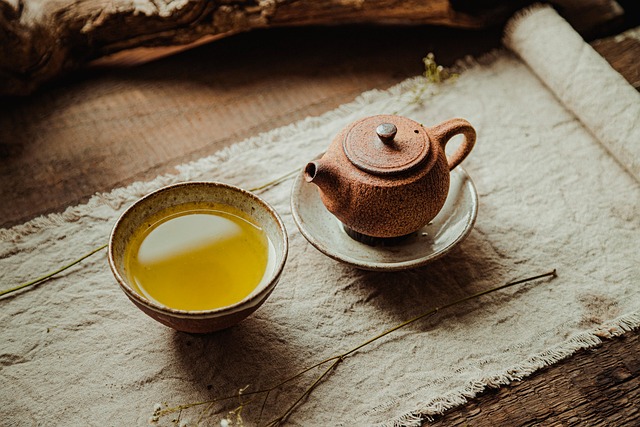
Halal Tea represents the pinnacle of botanical purity, tracing its lineage back to the verdant hills of ancient China where Emperor Shen Nong first tasted the accidental infusion of wild leaves. For centuries, the world viewed the simple steep of Camellia sinensis as an inherently permissible indulgence, free from the complexities of animal-derived contaminants. However, as global trade routes expanded and industrial food science evolved, the once-uncomplicated leaf entered a world of synthetic enhancements. Today, the discerning palate must look beyond the steam to ensure their daily ritual aligns with dietary laws, as modern processing introduces variables that the ancient tea masters never anticipated.
Why Halal Tea Faces Modern Risks
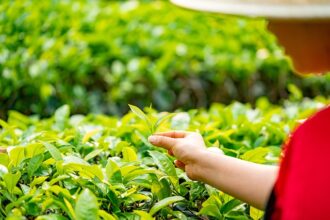
Halal Tea traditionally undergoes a straightforward transformation: harvesters pluck the leaves, allow them to wither, roll them to release essential oils, and dry them to halt oxidation. This mechanical process maintains the plant’s natural integrity, making pure green, black, or oolong varieties safe for consumption under Islamic law. Problems arise when manufacturers attempt to compete in a crowded market by introducing complex flavor profiles. According to Eater, the global tea market now relies heavily on “blended” products that incorporate everything from dried fruit to synthetic “flavor clouds.”
Tea expert Oza Sudewo recently highlighted this shift, noting that while the base leaf remains botanical, the secondary ingredients carry significant “syubhat” or doubtful status. When a tea brand lacks a formal seal, it does not immediately signify a forbidden product, yet it places the burden of investigation on the consumer. The purity of the leaf often masks the chemical complexity of the additives hidden within the silk pyramid bags of luxury brands.
The Caramel Trap and Industrial Additives
During his early years as an importer, Sudewo encountered a “Caramel Black Tea” from a reputable European supplier. While the name suggested a simple blend of sugar and leaf, the ingredient list told a different story. Manufacturers often use emulsifiers to ensure that fatty flavor components, like those found in caramel or creamy chocolates, distribute evenly throughout the tea water when brewed. Without these agents, the oils would simply float on the surface, creating an unappealing aesthetic.
The danger lies in the origin of these emulsifiers. Many common food stabilizers, such as E471 or various lecithins, can originate from either vegetable or animal fats. If a manufacturer sources these lipids from non-halal animal carcasses, the entire batch of tea loses its permissible status. To understand the rigorous standards of modern labeling, one should consult our Halal Certification Guide for context on how these codes translate to food safety.
Decoding the Emulsifier Mystery
When a tea enthusiast reads a label and finds a numeric code instead of a recognizable plant name, caution must prevail. Many high-end flavored teas utilize “natural flavors” that require a carrier solvent or an emulsifier to remain shelf-stable. As noted by Food & Wine, the complexity of tea flavorings has reached a point where the “flavoring” itself contains more ingredients than the tea leaves.
Sudewo’s experience with the European caramel tea serves as a cautionary tale. Upon discovering an emulsifier with a suspicious code, he chose to reject the shipment entirely rather than risk distributing a product that might violate his customers’ religious requirements. This proactive stance reflects a growing movement among modern “tea-meliers” who prioritize transparency over exotic flavor profiles. They understand that a beverage’s history is only as good as its current chemical makeup.
The Role of Certification in Modern Steeping
While pure herbal infusions—mixtures of dried flowers, bark, and fruit—generally avoid these pitfalls, the industrialization of “Wellness Teas” introduces new risks. These products often feature vitamins or minerals coated in gelatin or other stabilizers to prevent degradation. The Michelin Guide frequently discusses the elevated art of tea service, yet even the most prestigious dining rooms sometimes overlook the microscopic additives in their signature blends.
Consumers must exercise agency by demanding clarity. If a product lacks a recognized certification, the next step involves a deep dive into the manufacturer’s sourcing policy. Does the “Creamy Earl Grey” use dairy-based flavorings, or are they synthetic? Does the “Honey Bush” blend use real honey or a honey-flavored syrup containing animal-derived clarifying agents?
Building a Smarter Tea Cabinet
The path to ensuring your morning cup remains Halal Tea involves a return to simplicity or a commitment to rigorous verification. Sudewo suggests that the easiest route remains seeking products with visible, trusted certification marks. These symbols guarantee that a third-party auditor has traced every emulsifier, solvent, and flavoring back to a permissible source.
If you prefer artisanal blends without certifications, focus on “Single Estate” teas. These products come from a single geographic location and rarely contain additives. By choosing a high-quality Darjeeling or a traditional Japanese Sencha, you bypass the industrial laboratory entirely. You trade the “shocking” risks of hidden animal fats for the nuanced, historical flavors that have defined tea culture for over five millennia.
Modernity offers us a vast array of tastes, but it also demands a higher level of literacy. We no longer live in the age of Emperor Shen Nong, where a leaf was just a leaf. In the contemporary market, the leaf is often just the beginning of a much longer, and sometimes hidden, story. Careful observation and a “smart consumer” mindset ensure that the tea in your cup remains as pure as the history it represents.
Discover the latest food trends, recipes, and culinary news by exploring our coverage here.