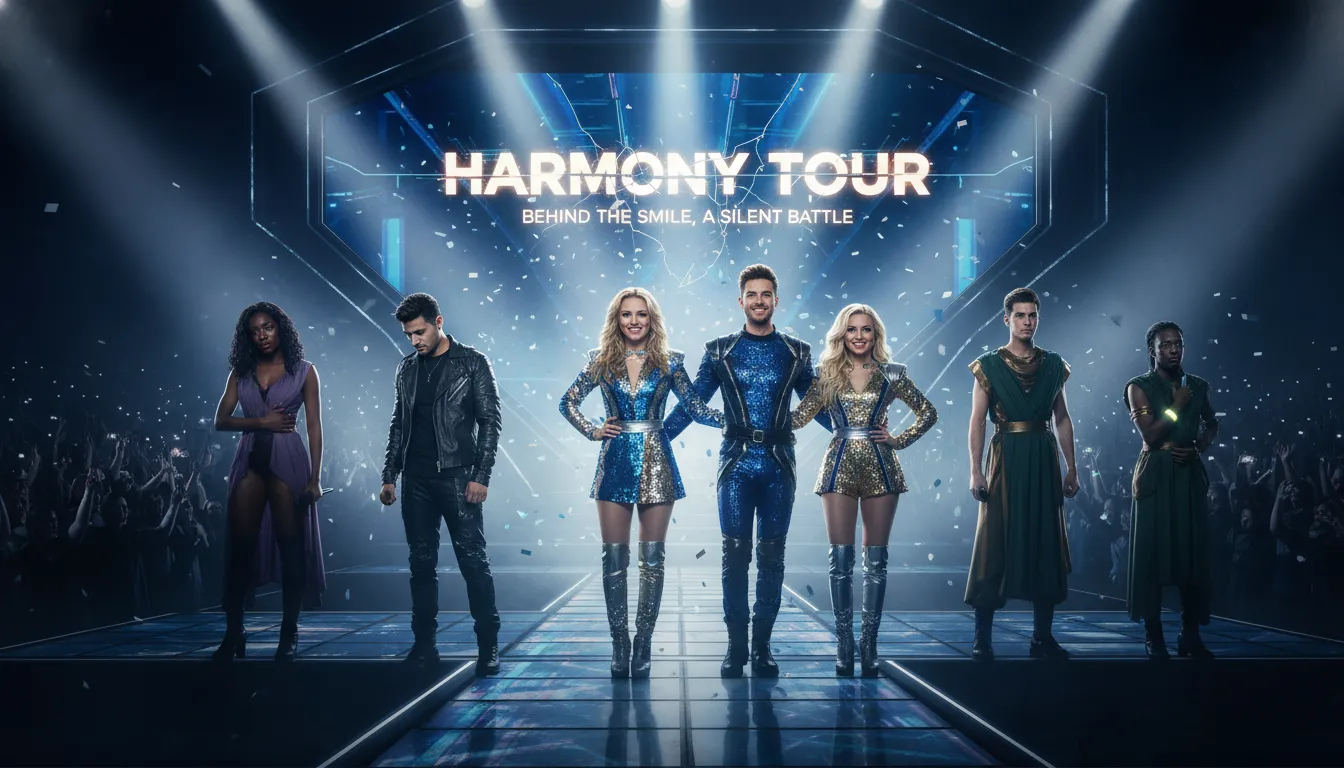
The glitz and glamour of global pop stardom often mask a harsher reality for artists of color. While being part of a chart-topping group is a dream for many, a growing number of musicians are choosing to walk away from the security of a collective to protect their mental health and integrity. Recent headlines surrounding Racism in the Music Industry have highlighted a troubling pattern: talented individuals being sidelined, stereotyped, or subjected to systemic prejudice by management and fanbases alike. From the early departures of boy band icons to the recent hiatus of K-pop stars, the narrative remains strikingly consistent.
The Hidden Toll of Racism in the Music Industry
For many artists, the decision to leave a group is not merely about creative differences; it is a response to an environment that feels increasingly hostile. Racism in the Music Industry often manifests in subtle ways—being positioned at the back of choreography, receiving less screen time in music videos, or being subjected to racially coded critiques from management. These experiences create a sense of isolation that can become unbearable, even amidst global success.
Zayn Malik: Breaking the “White Band” Mold
Zayn Malik’s departure from One Direction in 2015 was a seismic event in pop culture. While he initially cited a desire to be a “normal 22-year-old,” his later work and interviews have painted a more complex picture. In his recent 2025 track “Fuchsia Sea,” Malik directly addresses the alienation he felt as the only non-white member of the world’s biggest boy band.
According to reports from The Independent, Malik’s lyrics reflect on the “connotations” of every conversation and the struggle of working “hard in a white band” while still facing ridicule based on his Asian heritage. Beyond the music, Malik has spoken about being profiled at airports and feeling like “the other” during the height of the band’s fame. His exit was a pivotal moment that allowed him to reclaim his identity, but it also exposed the lack of support systems for minority artists in mainstream Western groups.
Leigh-Anne Pinnock: The Battle for Visibility
Leigh-Anne Pinnock of Little Mix has been one of the most vocal advocates for change. In her 2021 BBC documentary, Leigh-Anne: Race, Pop & Power, she opened up about the “invisible” feeling of being the only Black member in a group with a predominantly white fanbase. Pinnock detailed how she felt she had to work “ten times harder” just to be noticed.
“I wanted to explore why I felt so overlooked, so overshadowed,” Pinnock shared in the documentary, as noted by BBC Three. Her experience with Racism in the Music Industry wasn’t just about external trolls; it was about the systemic way her image was managed. She recalled being told to shave her head or dye her hair to fit a specific “Rihanna-esque” trope, a common issue where Black artists are forced into narrow stereotypes. Since the group went on hiatus in 2022, Pinnock has focused on her solo career and her charity, The Black Fund, which supports Black communities in the UK.
Normani: Surviving the Digital Onslaught
Normani’s time in Fifth Harmony was marked by some of the most vitriolic social media abuse in recent history. In 2016, she was forced to take a hiatus from Twitter after being targeted by racist trolls. The situation was exacerbated by a perceived lack of immediate support from her bandmates and management.
In a candid interview with Rolling Stone, Normani discussed the devastation of facing such hate within a space that was supposed to be a “sisterhood.” The trauma of being racially cyberbullied—including the circulation of horrific doctored images—left a lasting impact on her mental health. Her eventual transition to a solo artist was not just a career move, but a necessary escape from a toxic environment that failed to protect her.
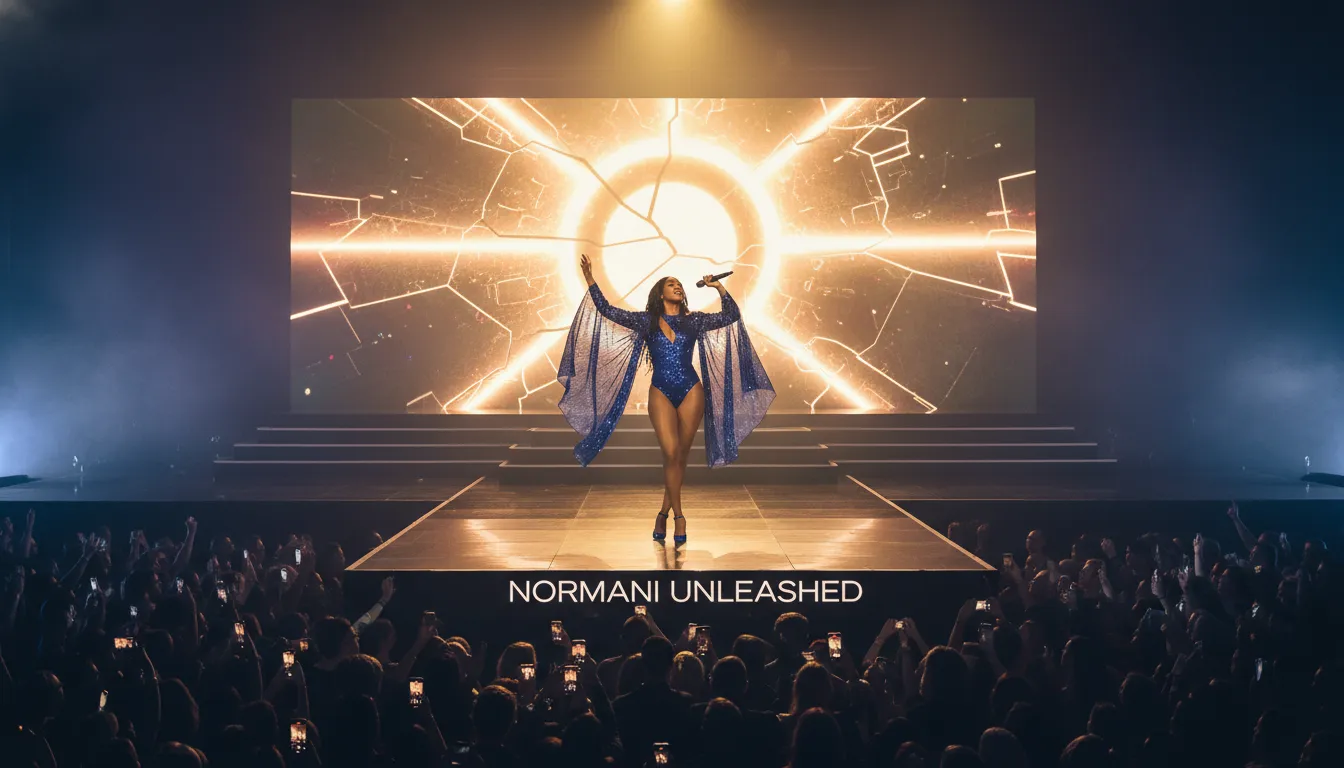
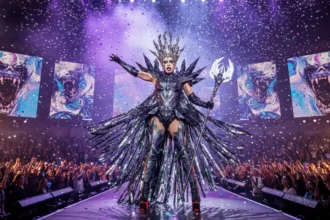
AI Generated Image: Normani performing solo, symbolizing her journey from group member to independent powerhouse.
The KATSEYE Controversy: Manon’s Recent Hiatus
The conversation around Racism in the Music Industry has recently shifted toward the global K-pop scene with the group KATSEYE. In early 2026, member Manon Bannerman announced a temporary hiatus, citing “health and wellness.” However, the announcement sparked immediate backlash when Manon posted on Weverse that she was, in fact, “healthy,” suggesting the hiatus might not have been her choice.
As reported by Telegraph India, fans noticed Manon “liking” social media posts that discussed the pattern of Black women in girl groups facing mistreatment. The controversy deepened when racially coded labels like “lazy” were used to describe her work ethic in the group’s docuseries—a trope that has historically been used to undermine Black professionals. This ongoing situation serves as a reminder that even in the “new era” of global pop, the old prejudices remain deeply ingrained.
Moving Toward Industry Accountability
The recurring theme in these stories is the failure of management to provide a safe and equitable environment. When artists like Zayn, Leigh-Anne, and Normani speak out, they aren’t just sharing personal grievances; they are calling for a fundamental shift in how the industry operates.
For more on how the landscape of entertainment is shifting, explore our analysis on diversity trends in global media.
The future of the music industry depends on its ability to move beyond performative diversity. It requires active protection for artists of color, fair representation in marketing, and a zero-tolerance policy for racial harassment. Until these changes are made, the trend of top stars leaving their groups to find peace in solo careers will likely continue.