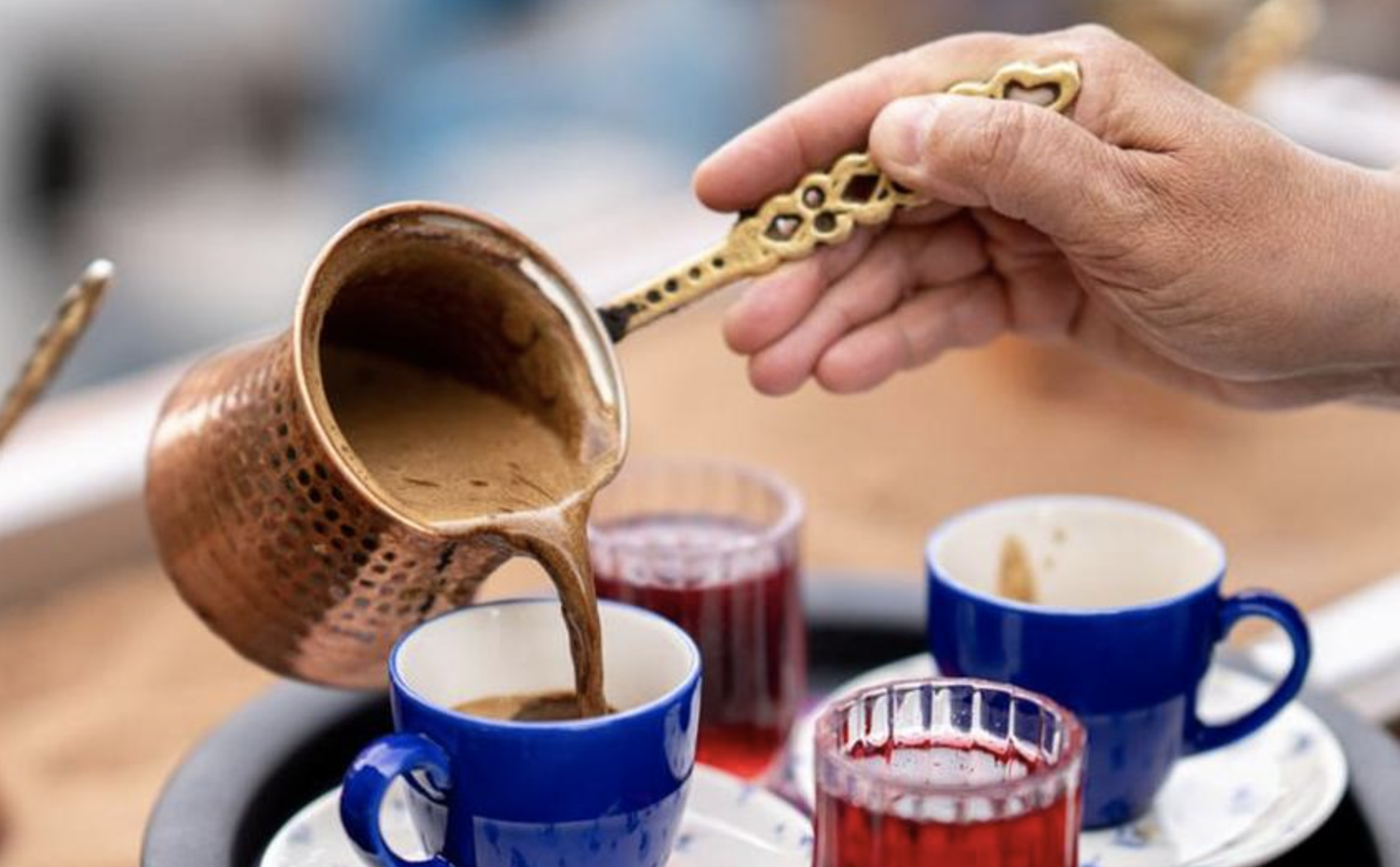
For centuries, the silhouette of a long-handled copper pot nestled in hot sand has served as the definitive image of Ottoman hospitality. Yet, in the hushed, minimalist corridors of modern third-wave cafes, a transformation is taking place. Turkish Coffee, once relegated to the realm of nostalgic tradition and “muddy” textures, is being reimagined through the lens of scientific precision. This ancient alchemy, which dates back over half a millennium, is no longer just a cultural artifact; it has become the latest frontier for specialty coffee enthusiasts seeking to bridge the gap between historical ritual and contemporary flavor profiles.
The Historical Soul of Turkish Coffee
To understand the current fascination with this method, one must look back to the 16th century. Originating in the Ottoman palaces, Turkish Coffee was never merely a beverage; it was a diplomatic tool, a social glue, and a precursor to the modern coffeehouse culture we see in cities like London or New York today. Unlike the filtered clarity of a V60 or the pressurized intensity of an espresso, this method involves simmering powder-fine grounds directly with water. Historically, this resulted in a bold, viscous brew, often flavored with cardamom and served with a side of Turkish delight to balance its inherent bitterness.
According to historical records often cited by Food & Wine, the first coffeehouses in Istanbul were spaces of intellectual ferment. The “ritual” was as important as the caffeine. Even today, the practice of tasseography—reading the patterns left by the sediment at the bottom of the cup—remains a cherished social pastime. However, the “Gilded Fork” perspective argues that the true magic lies not in the fortune told, but in the extraction itself, which is arguably one of the most difficult techniques to master in the culinary world.
Why Specialty Baristas are Reclaiming Turkish Coffee
For decades, the specialty coffee movement focused on “clean” cups—brews that stripped away sediment to reveal floral and acidic notes. Because Turkish Coffee is unfiltered, it was often dismissed as over-extracted. However, the tide has turned. Baristas are realizing that the cezve (or ibrik) is capable of producing a body and complexity that no other method can replicate. When executed with high-grade, single-origin beans, the result is a velvety liquor that carries the aromatic oils of the bean directly to the palate.
In the pursuit of the perfect cup, the industry has applied the same rigorous standards to the ibrik that it does to the evolution of manual brewing. We are seeing a move away from the traditional “dark roast” towards medium-light roasts. This shift allows the terroir of the bean—be it the berry notes of an Ethiopian Yirgacheffe or the nutty undertones of a Brazilian Bourbon—to shine through the thick, creamy foam that defines the style.
The Science of the Simmer: Precision over Tradition
The modern “Specialty Turkish Coffee” movement has discarded the guesswork of the past. In elite cafes, you will no longer see the coffee left to boil over multiple times—a practice that Bon Appétit experts note can destroy the delicate volatile compounds of the bean. Instead, precision is the new mantra:
1. The Grind: It must be finer than espresso, resembling the consistency of confectioner’s sugar. This maximize surface area for a rapid, intense extraction.
2. The Ratio: Baristas now use digital scales to maintain a strict 1:10 or 1:9 coffee-to-water ratio.
3. Temperature Control: The goal is to reach a “near-boil” state. Reaching exactly 92-95°C ensures the foam (the kaimak) is thick without the liquid becoming scorched or bitter.
The Global Stage: Turkish Coffee in Modern Competition
The ultimate validation of this method’s resurgence is its inclusion in the World Coffee Championships. The Cezve/Ibrik Championship has become a prestigious stage where baristas from around the globe compete not just on taste, but on their ability to tell a story. Here, Turkish Coffee is treated with the same reverence as a Michelin-starred reduction. Judges look for technical agility, sensory balance, and a presentation that honors the method’s 500-year lineage while pushing the boundaries of what coffee can be.
As noted by Eater, these competitions have helped demystify the process for Western audiences. It is no longer seen as a “strong, bitter drink” but as a sophisticated extraction method that requires more finesse than almost any other. The use of specialty-grade water—with specific mineral content—and custom-forged copper pots has elevated the humble cezve into a piece of high-end culinary equipment.
A Ritual for the Modern Age
In an era of “instant” everything and automated espresso machines, the slow, deliberate pace of preparing Turkish Coffee offers a necessary counterpoint. It is a sensory experience: the smell of the fine powder, the visual of the foam rising like a slow tide, and the weight of the small ceramic cup in one’s hand. Even the Michelin Guide has begun to highlight restaurants that treat their post-meal coffee service with this level of historical and technical respect.
Ultimately, the return of this ancient method to the spotlight proves that in the world of gastronomy, history is never truly settled. By combining the soul of the Ottoman Empire with the science of the 21st century, specialty coffee has found its most expressive medium yet. Whether you are drinking it in a bustling bazaar in Istanbul or a glass-walled lab in Copenhagen, a cup of Turkish Coffee remains a testament to the enduring power of the ritual.