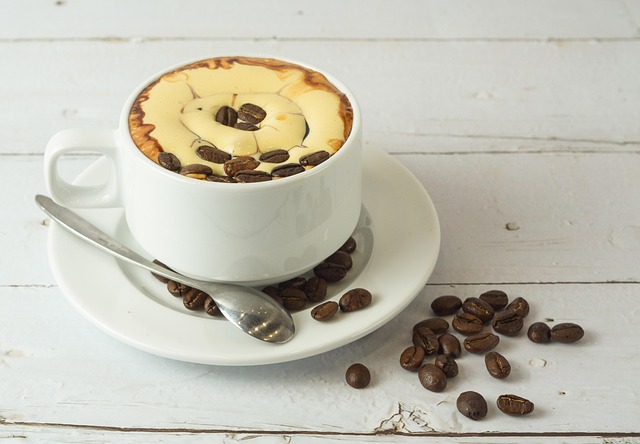
There is a particular kind of magic found in the narrow, bustling alleys of Hanoi’s Old Quarter, where the scent of roasting beans mingles with the humid morning air. It is here that one encounters the legendary Vietnamese Egg Coffee, or cà phê trứng—a drink that defies the standard definition of a morning pick-me-up. With its thick, golden foam resting atop a dark, intense liquid, it looks more like a decadent dessert than a caffeinated beverage. In recent months, this specialty has transcended its humble origins to become a global viral sensation, captivating social media feeds from London to Los Angeles. However, as this velvety brew finds its way into the hands of a new generation of enthusiasts, it brings with it a complex narrative of wartime ingenuity and modern health considerations that every connoisseur should understand.
The Velvety Origins of Vietnamese Egg Coffee
To truly appreciate Vietnamese Egg Coffee, one must look back to 1946, during the First Indochina War. As a critic for The Gilded Fork, I have always believed that the most enduring recipes are born of necessity. At the time, milk was a luxury made scarce by the conflict. Nguyen Van Giang, a bartender at the prestigious Sofitel Legend Metropole Hanoi, found himself unable to source fresh milk for the French-style lattes requested by his patrons. In a stroke of alchemical brilliance, he whisked together egg yolks and sugar to create a substitute that was not only functional but arguably superior in texture.
This creation led to the founding of the iconic Cafe Giang, which remains a pilgrimage site for food lovers today. As noted by travel experts at michelin.com, the original recipe remains a family secret, though its influence has spread across the globe. The drink represents the resilience of Vietnamese culture, turning a period of rationing into a hallmark of culinary identity. The transition from a local secret to an international trend highlights our collective fascination with the evolution of global coffee culture.
A Modern Viral Sensation
In the age of TikTok and Instagram, the visual appeal of cà phê trứng is undeniable. The “cloud” of egg foam, often compared to liquid tiramisu, provides a perfect contrast to the robust Robusta beans typically used in Vietnam. This aesthetic quality has fueled its viral status, leading to “Egg Coffee” pop-ups in major metropolitan hubs. According to culinary historians at eater.com, the drink’s popularity is part of a broader movement where traditional regional specialties are being rediscovered through a lens of modern luxury and digital sharing.
Navigating the Health Risks of Vietnamese Egg Coffee
While the palate is easily seduced by the creamy sweetness of this brew, health experts are beginning to voice caution. The very ingredients that make Vietnamese Egg Coffee so delicious—sugar, condensed milk, and raw egg yolks—are also the source of potential health concerns. Nutritionist Shannon O’Meara points out that while black coffee offers antioxidants and polyphenols, the addition of high amounts of sugar can lead to insulin resistance and an increased risk of pre-diabetes if consumed frequently.
The most significant concern, however, lies in the use of raw or undercooked eggs. As discussed in the safety guidelines at foodandwine.com, raw eggs can carry Salmonella, a bacteria that poses a serious risk of food poisoning. For this reason, modern baristas often recommend using pasteurized eggs to mitigate risk without sacrificing the drink’s signature texture. Furthermore, a single egg yolk contains approximately 3 grams of protein but is also high in cholesterol, meaning this beverage should be treated as an occasional indulgence rather than a daily breakfast staple.
A Balanced Sip: How to Enjoy Safely
For those who wish to partake in this historic beverage, balance is key. Health professionals suggest that Vietnamese Egg Coffee should not be used as a primary source of protein. Instead, it should be paired with a balanced meal containing fiber and healthy fats, such as yogurt or nuts, to slow the absorption of sugar. Vulnerable populations—including the elderly, young children, and pregnant women—are generally advised to opt for alternative coffee preparations that do not involve raw ingredients.
As we look toward the future of gastronomy, it is essential to respect the heritage of dishes like cà phê trứng while remaining mindful of modern nutritional science. You can find more about the intersection of taste and health in the latest reviews at bonappetit.com.
In the end, the story of Vietnamese Egg Coffee is a testament to human creativity. It is a drink that survived a war, crossed oceans, and conquered the internet. By choosing pasteurized ingredients and enjoying it in moderation, we can continue to celebrate this Hanoi treasure for decades to come, ensuring that its history remains as rich as its foam.
Discover the latest coffee trends, recipes, and news by exploring our coverage here.