
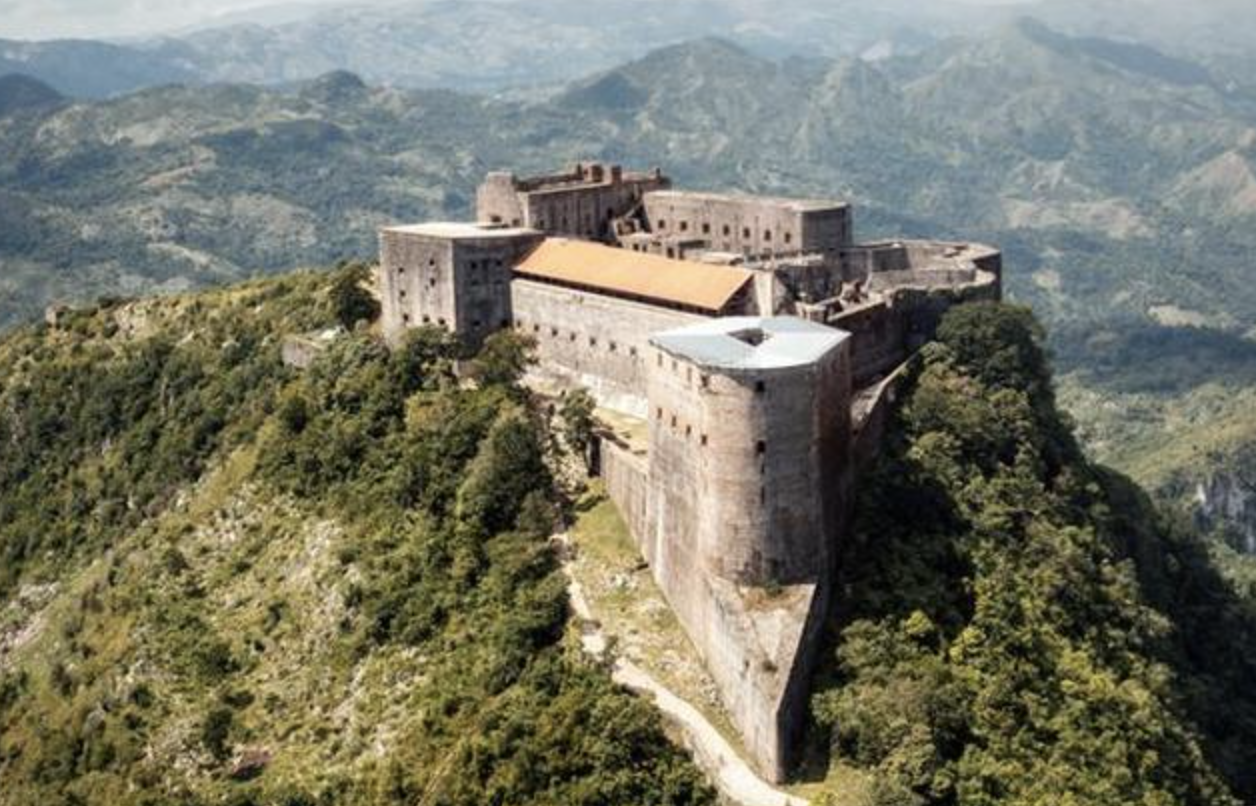
The mist that usually clings to the majestic peaks of Northern Haiti has taken on a somber weight this week. The world-renowned Citadelle Laferriere, a symbol of liberty and architectural prowess, has become the site of an unimaginable tragedy. What was intended to be a vibrant celebration of youth culture, fueled by the digital reach of social media, spiraled into a fatal crush on Saturday, April 11, 2026. At least 30 lives were lost in the shadows of the Great Battery, reminding the global travel community of the precarious balance between viral promotion and the physical realities of historic infrastructure.
The Viral Spark: How ‘Citadel Vibe 3.0’ Overwhelmed a Landmark
The incident began with the digital siren song of TikTok. Under the banner of “Citadel Vibe 3.0,” the event was promoted extensively across social platforms, promising a night of music and “vibes” within the stone heart of the UNESCO World Heritage site. High-profile influencers, including the popular figure Dope Fresh, encouraged their thousands of followers to descend upon the Citadelle Laferriere, transforming a site of quiet historical reflection into a pulsating destination for a massive demographic.
According to reports from Lonely Planet, the fortress, which was built in the early 19th century to protect a newly independent nation, was never designed to accommodate the sheer volume of modern festival-goers. As thousands trekked up the steep incline toward the summit, the capacity of the site was breached long before the main event reached its peak. Authorities suggest that the “fear of missing out” (FOMO) generated by real-time social media updates led to a surge of unauthorized entries, putting immense pressure on the fort’s ancient gates.
A Fatal Bottleneck: Chaos at the Fortress Gates
The geography of the Citadelle Laferriere is one of its most alluring features—and on Saturday, it became its most dangerous. Perched atop the Bonnet à l’Evêque mountain, the fortress is accessed via a singular, narrow entry point designed for defense, not mass egress. As the crowd swelled beyond manageable limits, the “Citadel Vibe 3.0” event turned into a claustrophobic nightmare.
Witnesses describe a “sea of humanity” where breathing became a luxury. Fabiola Jules, an attendee who survived the crush, recounted the moment the energy shifted from excitement to terror. “There were thousands of us. At one point, you simply couldn’t draw breath. It was total panic,” she shared with local media. The situation was further exacerbated by a sudden downpour, making the centuries-old stone surfaces slick and treacherous. As people slipped and the crowd surged to find cover, the single exit point became a deadly bottleneck.
Vice-Mayor of Cap-Haitien, Patrick Almonord, confirmed the grim statistics, noting that while 30 deaths are currently recorded, dozens more remain hospitalized at the Sacre-Cœur de Milot hospital. For those planning to visit the region, checking updated safety protocols on TripAdvisor has become more critical than ever.
The Intersection of Heritage and Social Media Responsibility
This tragedy at the Citadelle Laferriere raises uncomfortable questions about the role of influencers and digital marketing in the management of sensitive heritage sites. While social media can bring much-needed tourism revenue to regions like Haiti, the lack of a structured crowd-management plan can lead to disaster. Travelers often look to Condé Nast Traveler for inspiration on “hidden gems,” but when those gems go viral without local government oversight, the results can be catastrophic.
The Haitian Civil Protection agency and municipal teams are currently investigating whether “Citadel Vibe 3.0” had the necessary permits to host a gathering of this scale. In the luxury travel sector, we often discuss “overtourism” in the context of Venice or Santorini, but this event highlights a more visceral danger: the physical safety of the traveler. For more on how to navigate historic sites responsibly, see our internal guide on sustainable tourism in Haiti.
Key Factors Contributing to the Incident:
* Influencer Promotion: Unregulated calls to action on TikTok led to an unpredictable influx of visitors.
* Infrastructure Limitations: The site’s singular entry/exit point was incapable of handling a mass evacuation.
* Environmental Hazards: Rain and slippery stone surfaces increased the likelihood of falls and trampling.
* Lack of On-site Security: Insufficient personnel to manage the flow of the crowd once capacity was reached.
Looking Forward: Safety in the “Pearl of the Antilles”
As the investigation continues, the Citadelle Laferriere remains closed to the public. This pause is necessary, not only for mourning but for a fundamental reassessment of how Haiti’s crown jewel is managed. Organizations like National Geographic have long praised the Citadelle for its cultural significance; now, the focus must shift to its preservation and the safety of those who walk its ramparts.
For the luxury traveler and the cultural enthusiast, Haiti remains a destination of profound beauty and resilience. However, the tragedy of April 11 serves as a stark reminder that the “vibe” of a location should never supersede the sanctity of life or the structural limits of history. The global community must now support Haiti in implementing modern crowd-control technologies and stricter event-permitting processes to ensure that the Citadelle remains a symbol of triumph, rather than a monument to tragedy.
The loss of 30 young lives is a high price to pay for a viral moment. As we wait for the official inquiry’s conclusion, our thoughts remain with the families in Cap-Haitien and the survivors who carry the weight of that night. Safe travel is not just about the destination; it is about the care taken to ensure everyone returns home to tell the story.
For more travel inspiration and destination guides, explore our latest travel articles here.