There is a specific kind of silence that only exists at the ends of the earth—a crystalline, heavy stillness broken only by the crack of ancient ice or the exhale of a surfacing whale. For the modern high-net-worth traveler, this silence has become the ultimate luxury. As traditional Mediterranean ports become increasingly crowded, the siren call of the “unspoiled” is driving a massive surge in Expedition Cruises. These are not your standard Caribbean voyages; they are high-stakes journeys into the heart of the Antarctic and the Arctic Circle, where the price of entry is steep and the safety net is thinner than the polar ice.
The Unprecedented Rise of Expedition Cruises
The appetite for the remote is no longer a niche craving. According to recent data from the Cruise Lines International Association, the industry served a staggering 37.2 million passengers in 2025, marking a 7.5% increase from the previous year. Projections suggest this momentum will carry the sector toward 42 million passengers by 2028. Within this growth, the segment for Expedition Cruises stands out as the crown jewel of the premium market.
“Travelers are no longer satisfied with just seeing the world; they want to feel like they are the first to discover it,” says Ritu Panesar, founder of Travelopod. This quest for the “rare and life-changing” comes with a significant price tag. It is now commonplace for couples to invest between $30,000 and $50,000 per person for a single voyage to the White Continent. These travelers are seeking what Condé Nast Traveler often describes as “meaningful luxury”—experiences that offer profound personal transformation far away from the digital tether of modern life.
Navigating the Shadow of Risk in Remote Waters
However, the allure of the unknown carries inherent dangers that the industry is beginning to grapple with more transparently. The recent outbreak of Hanta virus on the MV Hondius served as a chilling wake-up call for the sector. While the demand for Expedition Cruises remains at an all-time high—with search volume for Antarctica trips jumping 34% in early 2026—the reality of medical vulnerability in remote regions is coming into sharper focus.
Sahara Rose DeVore, founder of the Travel Coach Network, notes that while most luxury travelers are aware of the risks, the “magnetism of the destination” often outweighs the fear of the unknown. Yet, as we explore in our guide to sustainable polar tourism, the infrastructure to handle emergencies in these regions is often stretched to its limit.
The $250,000 Safety Net: Logistics and Evacuation
The most significant challenge facing the growth of Expedition Cruises isn’t the ice—it’s the distance from a Level 1 trauma center. Dan Richards, CEO of Global Rescue, points out that many travelers are only now realizing the logistical nightmare of a mid-sea emergency. “If something happens in the open sea and the ship is more than 150 miles from land, the help that can be provided is extremely limited,” Richards warns.
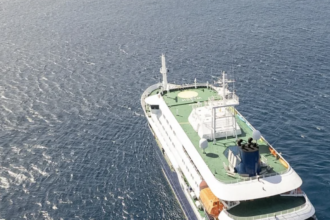
Many of these sophisticated vessels, despite their five-star suites and world-class dining, lack helipads. This makes a medical evacuation a Herculean task involving specialized long-range aircraft or ship-to-ship transfers in volatile seas. Experts at TripAdvisor and various maritime insurance agencies highlight that the cost of a medical evacuation from a remote polar region can easily exceed $250,000.
Why High Prices Don’t Guarantee Total Safety
There is a common misconception among luxury voyagers that a premium ticket price equates to a portable hospital. Maritime lawyer Jason Margulies argues that the high cost of Expedition Cruises often goes toward the “experience”—the expert naturalists, the fine wines, and the advanced navigation technology—rather than comprehensive on-board emergency rooms. “What travelers are actually buying is a high-risk journey into a remote wilderness where medical access is inherently compromised,” Margulies explains.
Preparing for the Frontier
For those still intent on witnessing the majesty of the poles, the advice from veterans at National Geographic is clear: preparation is as important as the destination. Travelers are increasingly prioritizing “emergency protection and evacuation plans” before they even book their cabins.
To ensure a safe journey, consider the following:
* Comprehensive Insurance: Ensure your policy specifically covers “remote evacuation” and has a limit of at least $500,000.
* Vessel Scrutiny: Research whether your ship has a helipad or an advanced medical suite with a doctor trained in emergency medicine.
* Health Pre-Checks: Consult with a travel medicine specialist, a resource often recommended by Lonely Planet, to ensure you are fit for the rigors of polar travel.
The boom in Expedition Cruises shows no signs of slowing down. As we push further into the last frontiers of our planet, the balance between the thrill of discovery and the reality of our own fragility remains the most important guest on board. The world’s most remote corners are more accessible than ever, but they remain, as they have always been, beautifully indifferent to the presence of man.