In an era of rapid technological advancement and global interconnectedness, it is easy to overlook the harrowing conditions under which some of the world’s most essential work is performed. From the extraction of minerals for our smartphones to the reporting that keeps the public informed, the most stressful jobs often involve a precarious balance between life and death. These roles go beyond mere professional burnout; they exist in the realm of extreme physical peril and profound psychological trauma, often occurring in regions where labor protections are non-existent or ignored. As we examine the human cost of global industry and security, we uncover the stories of those who operate on the edge of catastrophe.
Understanding the Human Cost of the Most Stressful Jobs
The definition of “stress” varies by industry, but for those on the frontlines of global conflict and environmental disaster, it is a constant, tangible presence. According to reports from AP News, the psychological toll on individuals working in high-risk zones is frequently compounded by a lack of institutional support. Unlike corporate roles where stress is managed with time-off and wellness programs, the world’s most dangerous professions offer no such luxury.
Reporting from the Frontlines: War Correspondents in Ukraine
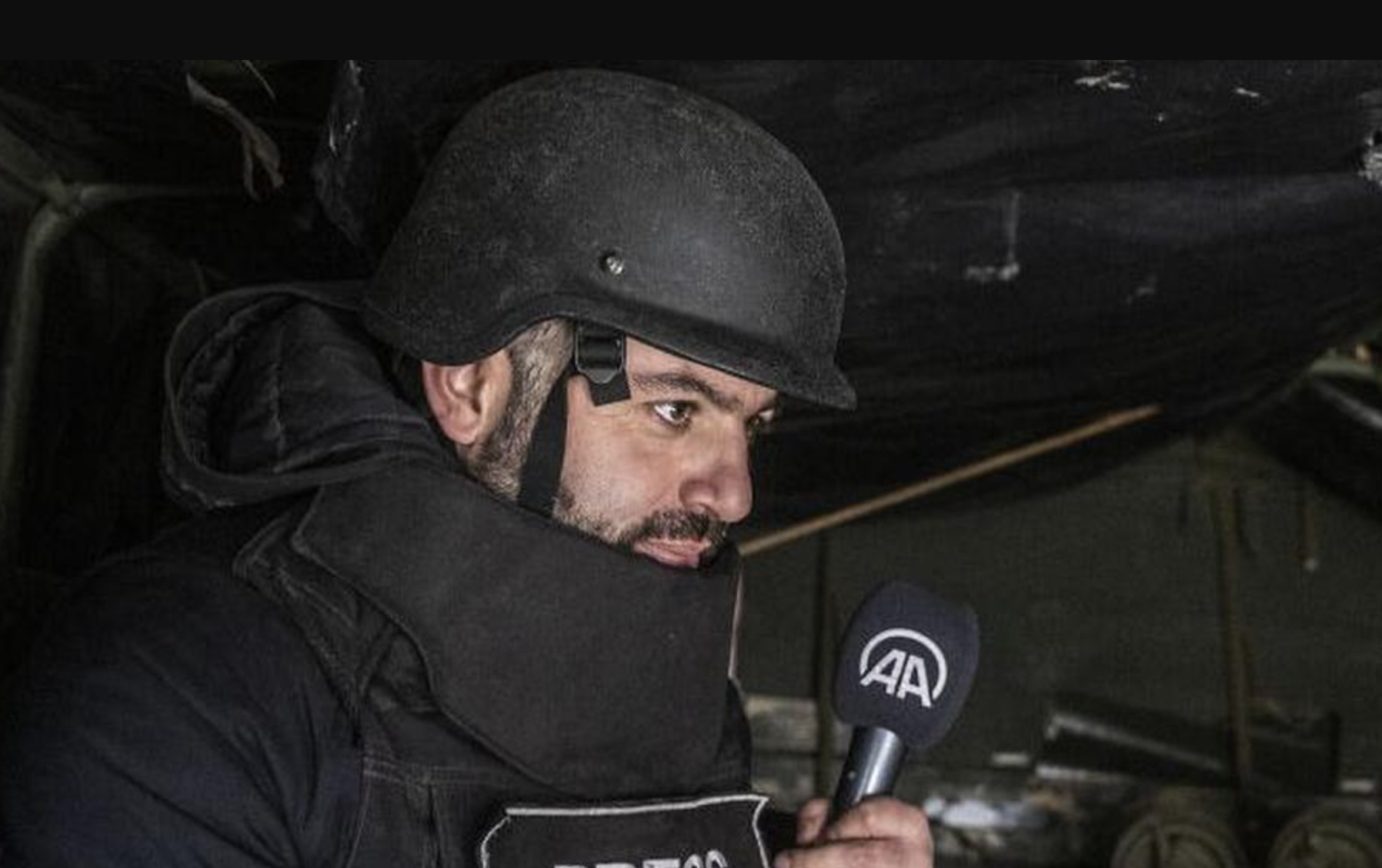
In the heart of Europe, war correspondents in Ukraine are redefining the limits of journalistic endurance. These professionals operate under the constant threat of drone strikes and indiscriminate artillery fire. Beyond the immediate physical danger, the psychological weight of witnessing atrocities firsthand—often without the safety net of evacuation insurance or mental health support provided to staff at major headquarters—creates a vacuum of trauma. The “Global Ledger” has previously discussed the shifting landscape of global labor rights, noting that freelancers in these zones are particularly vulnerable.
The Weight of Survival: Search and Rescue in Turkey
Following the devastating earthquakes in Turkey, Search-and-Rescue (SAR) teams faced a different kind of pressure: the race against time. Working beneath unstable ruins, these responders must make split-second decisions that determine who lives and who dies. The emotional burden of recovering mass casualties often leaves indelible psychological scars. Research shared by BBC highlights that SAR personnel frequently suffer from secondary traumatic stress, a condition as debilitating as the physical injuries they risk while crawling through debris.
Toxic Graveyards: Shipbreaking in Bangladesh
In the coastal flats of Bangladesh, the shipbreaking industry represents one of the most extreme examples of labor exploitation. Workers dismantle massive, decommissioned vessels using little more than manual tools. Without protective gear, they are exposed daily to lead, mercury, and deadly asbestos. The threat of explosions from trapped gases is a constant reality. This industry illustrates the dark side of the global maritime economy, where the “stress” is not just mental, but a slow, toxic accumulation in the body.
A Split-Second Decision: Bomb Disposal in Iraq
Explosive Ordnance Disposal (EOD) technicians in Iraq inhabit a world where silence is a requirement for survival. The task of neutralizing mines and improvised explosive devices (IEDs) requires a level of focus that few humans can maintain. A single error in judgment or a tremor in the hand can lead to instant fatality. This profession remains one of the most stressful jobs due to the cognitive load of knowing that every movement could be the last.
The Shadow Economy: Forced Labor in Chinese Prisons
The intersection of politics and labor reaches its zenith in the Chinese prison system. Used as a manufacturing hub for global supply chains, prison labor involves working under extreme surveillance in sectors ranging from mining to textiles. Human rights advocates, as documented by The New York Times, describe this as a modern form of forced labor. The stress here is derived from a total lack of autonomy and the threat of punishment for failing to meet production quotas, creating a high-pressure environment with no exit.
The Cobalt Curse: Underground Mining in Congo
As the world transitions to green energy, the demand for cobalt has turned the Democratic Republic of Congo into a high-stakes extraction zone. Underground miners, many of them artisanal, descend into unstable shafts with no structural support. Beyond the risk of tunnel collapses, these workers face extortion from armed groups. Reuters has frequently reported on the “cobalt curse,” where the very minerals intended to save the planet are extracted through some of the most harrowing labor conditions on earth.
Total Isolation: Saturation Diving in the North Sea
Off the coast of Norway, saturation divers live for weeks in pressurized chambers to maintain subsea oil infrastructure. They are completely isolated from the world, breathing a heliox mixture that distorts their voices and living in a space no larger than a van. The risk of equipment failure or rapid decompression makes this a job only for those with “nerves of steel.” The psychological stress of total isolation, combined with the physical strain of working in the dark, freezing depths of the ocean, places this role at the pinnacle of extreme professions.
Conclusion: A Call for Global Standards
The existence of these most stressful jobs serves as a stark reminder of the inequities within the global workforce. While some of these roles are born of necessity—such as search and rescue—others are the result of systemic neglect and the pursuit of lower production costs. As we move further into 2025, the international community must prioritize not just the physical safety of these workers, but their psychological well-being, ensuring that no job requires the sacrifice of one’s humanity for the sake of a paycheck.