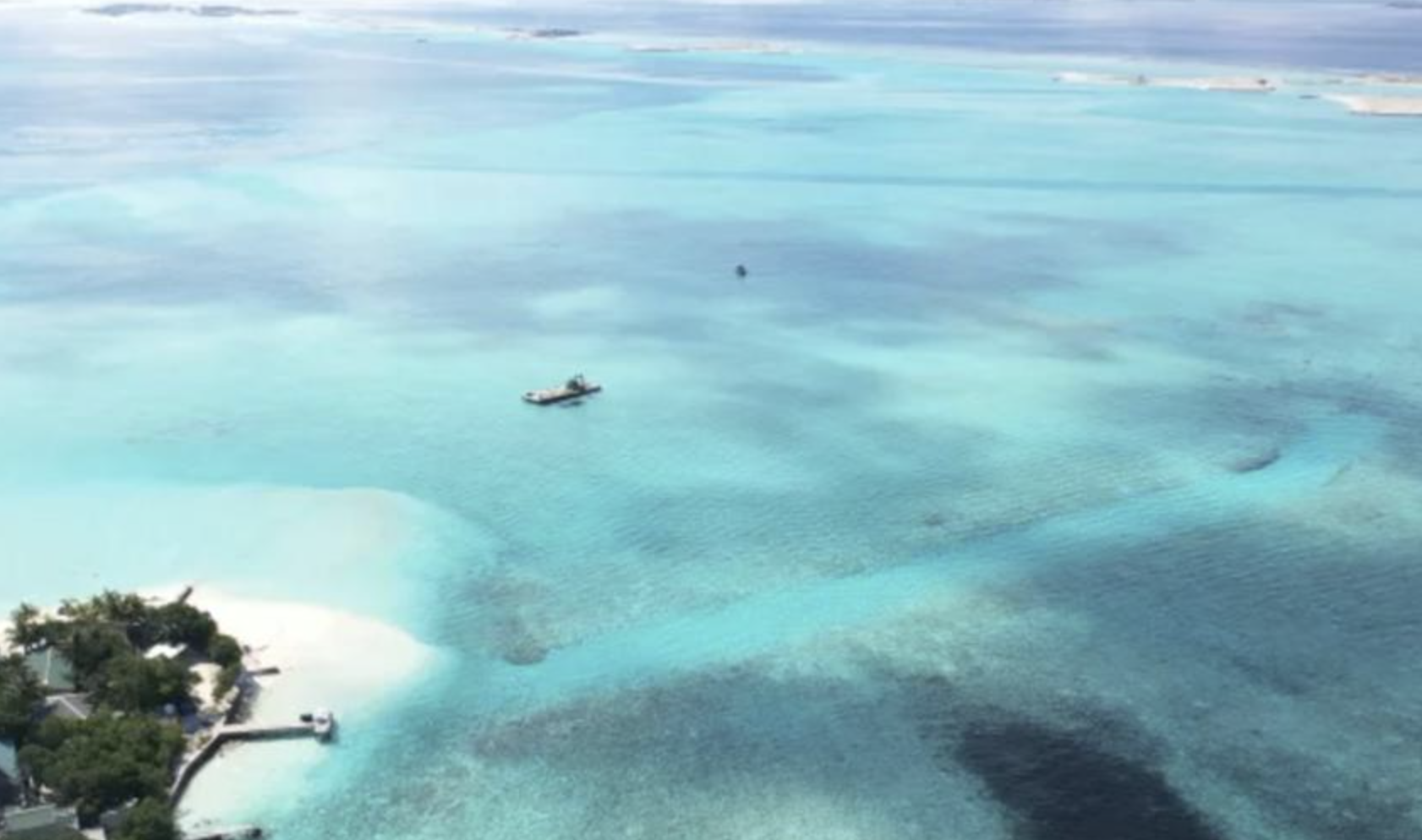
To the uninitiated, the Maldives is a shimmering postcard of overwater villas, azure lagoons, and the kind of secluded luxury that feels detached from the ticking of a clock. Yet, for the discerning traveler seeking more than a sun-drenched sanctuary, these 1,200 islands offer a narrative far deeper than their crystalline waters. Beneath the surface of modern hospitality lies a resilient cultural soul—a thousand-year-old mosaic shaped by the currents of the Indian Ocean and the brave sailors of India, Arabia, Africa, and Sri Lanka.
The Deep Currents of Maldives History
While many visitors see a pristine archipelago, the Maldives has been a crossroads of civilization since the 5th Century BC. The earliest settlers, believed to be from the shores of present-day Sri Lanka and India, brought with them the tenets of Buddhism. For centuries, these islands were home to stupas and monasteries, echoes of which still linger in the archaeological sites of the southern atolls.
The most pivotal turning point in the nation’s history occurred in 1153 AD. Under the influence of traveling Arab traders, the archipelago transitioned from Buddhism to Islam. This conversion didn’t just change the faith of the people; it restructured the entire social and legal fabric of the islands. Today, you can explore this heritage through the intricate carvings of the Hukuru Miskiy (Friday Mosque) in Malé, built from coral stone with craftsmanship that rivals the finest masonry in the world.
A Mosaic of Civilizations in the Indian Ocean
The cultural identity of the Maldives is not a monolith; it is a blend of global influences. Because of its strategic location along ancient trade routes, the islands became a melting pot. The linguistic cadence of Dhivehi, the national language, carries the DNA of Sanskrit, while the faces of the people reflect a lineage that stretches from the Horn of Africa to the Malay Peninsula.
This multiculturalism is most viscerally felt in the traditional music and dance. The Boduberu, often performed during celebrations on local islands, is a rhythmic masterpiece. It is widely believed that these drum-heavy performances were brought to the islands by settlers of African descent. The beat starts slow, a low thrumming that mimics the heartbeat of the ocean, before escalating into a frenetic, ecstatic dance that captivates anyone within earshot.
Savoring the Archipelago: A Culinary Journey
To truly understand the Maldives, one must taste it. The cuisine is a masterclass in utilizing the bounty of the sea. Nasi (rice) and fish are the pillars of the Maldivian diet, but the “soul” of the food comes from the spice trade. Influences from Southern India are evident in the fragrant curries, where coconut milk provides a creamy base for locally caught tuna.
One cannot visit without trying Mas Huni—a breakfast staple of finely chopped tuna, onion, coconut, and chili, eaten with roshi (flatbread). For those looking for an authentic experience, look for Raa, a traditional drink tapped from palm trees. While luxury resorts offer world-class international wine cellars, as noted by Condé Nast Traveler, the true flavor of the islands is found in these local preparations.
The Art of Maldivian Slow Living
Long before “slow travel” became a trend in sustainable luxury travel, it was a way of life here. In the quieter corners of the inhabited atolls, you will still see elders engaging in the ritual of foh—chewing betel nut with cloves and lime—while sharing stories of the sea. Others might be seen with the guduguda, a traditional water pipe, embodying a pace of life that the rest of the world has largely forgotten.
Planning Your Cultural Pilgrimage
While the allure of a private island is undeniable, we recommend balancing your stay with a visit to inhabited islands like Dhigurah or Guraidhoo. These communities offer a window into the daily lives of a people who have lived in harmony with the ocean for millennia.
According to TripAdvisor, cultural tours that include visits to historical mosques and local craft workshops are becoming increasingly popular among travelers who want to connect with the destination’s heritage. For a deeper dive into the natural history that shaped these cultures, National Geographic provides excellent resources on the fragile coral ecosystems that the Maldivian people have protected for generations.
The Maldives is more than a luxury escape; it is a living museum of human migration and adaptation. By looking beyond the infinity pool, you discover a nation that has survived the rise and fall of empires, the shifting of religions, and the relentless tides of the Indian Ocean—all while maintaining a grace and hospitality that remains unmatched on the global stage.