Anatomy of the Wizz Air Flight Security Incident
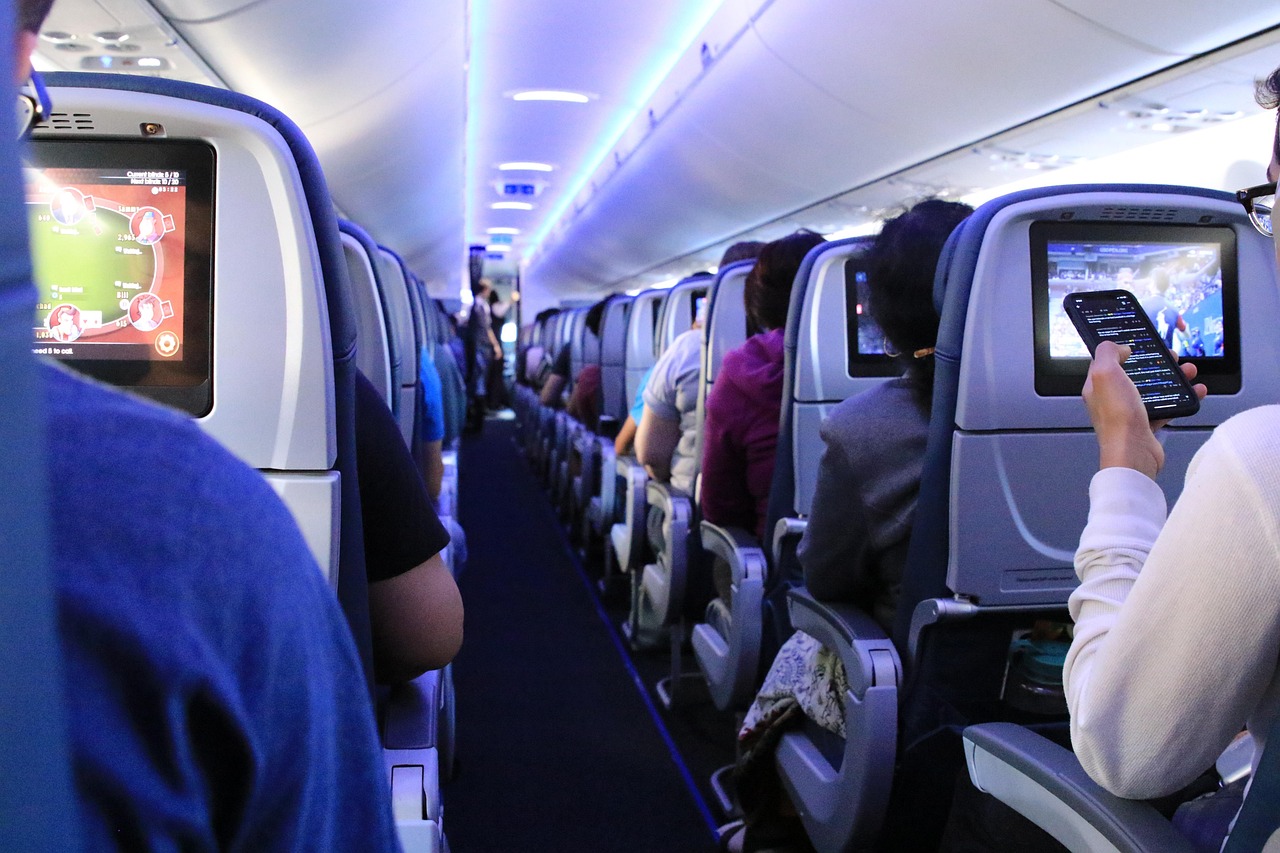
The journey began routinely at London Luton Airport (LTN) as passengers settled into the familiar hum of a long-haul flight toward Ben-Gurion International Airport (TLV). The atmosphere soured somewhere over the sea when several travelers opened their phones to connect to the world below. Instead of the usual “Airport_Guest_WiFi” or “Wizz_Air_Onboard,” they discovered a hotspot name written in Arabic: “Terrorist.”
In an era of hyper-vigilance, the psychological shift among the passengers was instantaneous. Because fear in a confined space has a specific scent, the mixture of recycled air and sudden adrenaline felt overwhelming. Passengers immediately reported the discovery to the cabin crew. Consequently, this turned a standard flight into a high-stakes security puzzle. For those on board, the digital world had bled into the physical one, manifesting as a direct threat that they could no longer ignore.
The Iron Escort and Mediterranean Circles
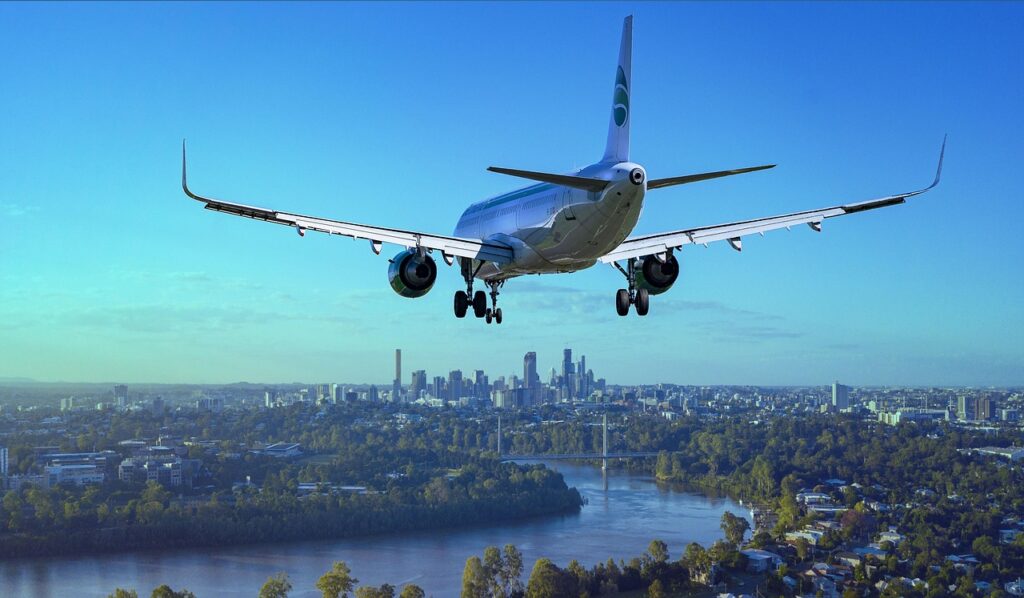
When word reached the Israeli security forces, the response was absolute. As the aircraft approached Israeli airspace, the military deployed fighter jets to intercept and escort the flight. Data from FlightAware captured the physical manifestation of this anxiety: the plane began circling repeatedly over the Mediterranean. This was a mechanical pacing in the sky while officials on the ground debated the level of threat.
Furthermore, the ripples of the Wizz Air flight security incident reached the tarmac of Ben-Gurion itself. The Israel Airports Authority took the extraordinary step of halting all incoming and outgoing flights. For a few tense moments, one of the world’s most secure hubs stood still, paralyzed by a WiFi signal. This highlights a terrifying reality of modern travel: our infrastructure is robust against hardware but remains remarkably sensitive to psychological triggers. You can read more about our [internal link on aviation safety protocols] to understand how these decisions are made.
The Shocking Conclusion to the Wizz Air Flight Security Incident
The climax of the drama arrived not with a bang, but with a sheepish revelation. Security officials thoroughly inspected the aircraft upon landing under the watchful eyes of the military. The “terrorist” in question was not an insurgent; instead, it was the child of an ultra-Orthodox couple on board. Local media reports suggest the child had renamed their phone’s hotspot as a misguided prank. They were unaware that their actions would cost thousands of dollars in jet fuel and ground operations.
This revelation brings us to the human core of the Wizz Air flight security incident. It underscores a widening gap in “digital literacy” versus “security impact.” To a child, a hotspot name is a hidden joke, but to a national defense force, it is a digital signature of intent. This discrepancy is where modern travel now lives—in the crosshairs of technical capability and human fallibility.
The Architecture of Anxiety and Digital Hoaxes
Unfortunately, this is not an isolated event. Only a month prior, a Turkish Airlines flight to Istanbul made an emergency landing after a passenger discovered a WiFi network named “bomb on board.” We are now witnessing a new trend in travel: the “Digital Hoax.”
For the luxury traveler, these incidents represent a disruption of the “frictionless” journey. While we pay for the privilege of seamless transitions, the democratization of technology means any passenger can disrupt the entire ecosystem with a few taps. The Wizz Air flight security incident is a case study in why security protocols are becoming increasingly invasive. When the “threat” is invisible and digital, the response must be visible and physical.
Navigating the New Normal in Air Travel
Who is this experience for? It is a cautionary tale for the modern digital nomad and the family traveler alike. In addition, it highlights the necessity of a new kind of travel etiquette where we treat our digital footprint with the same gravity as our physical luggage.
The cultural implication is profound. In a world where we are increasingly connected, the “hotspot” has become a new frontier for public safety. As we move toward a future of fully connected “smart” cabins, airlines may need to implement software that flags or blocks certain keywords in SSIDs before they ever reach a passenger’s screen.
Ultimately, the Wizz Air flight safely touched down, and the fighter jets returned to their hangars. The sky returned to its quiet blue. However, for the passengers on W95301, the journey served as a haunting reminder: in the modern world, the most dangerous thing on a plane isn’t always in the cargo hold—sometimes, it’s in the palm of your hand.