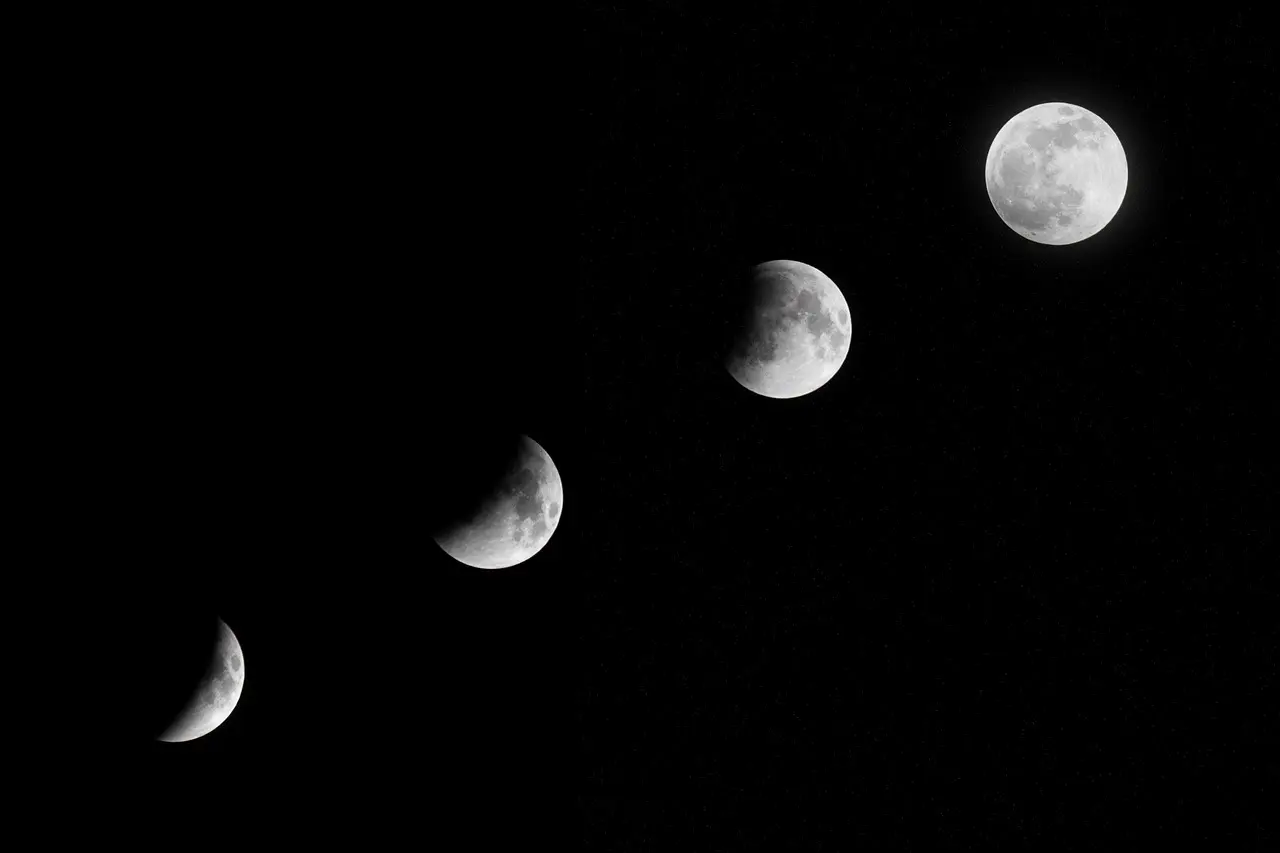
Ramadhan 2026 approaches as more than 2 billion Muslims worldwide prepare for a month defined by fasting, prayer, and communal devotion. While the Gregorian calendar remains static, the Islamic lunar calendar shifts annually, creating a dynamic schedule that dictates the lives of the faithful across every continent. The start of this holy month depends entirely on the sighting of the new crescent moon, a practice that blends ancient tradition with modern astronomical precision.
The Mechanics of Ramadhan 2026 and Lunar Visibility
The astronomical cycle dictates that Ramadhan 2026 will likely begin on or around February 18, depending on geographical location and atmospheric conditions. Because the lunar year is roughly 11 days shorter than the solar year, the start date retreats through the seasons over a 33-year cycle. This movement ensures that Muslims experience the fast during different weather patterns and daylight durations throughout their lives.
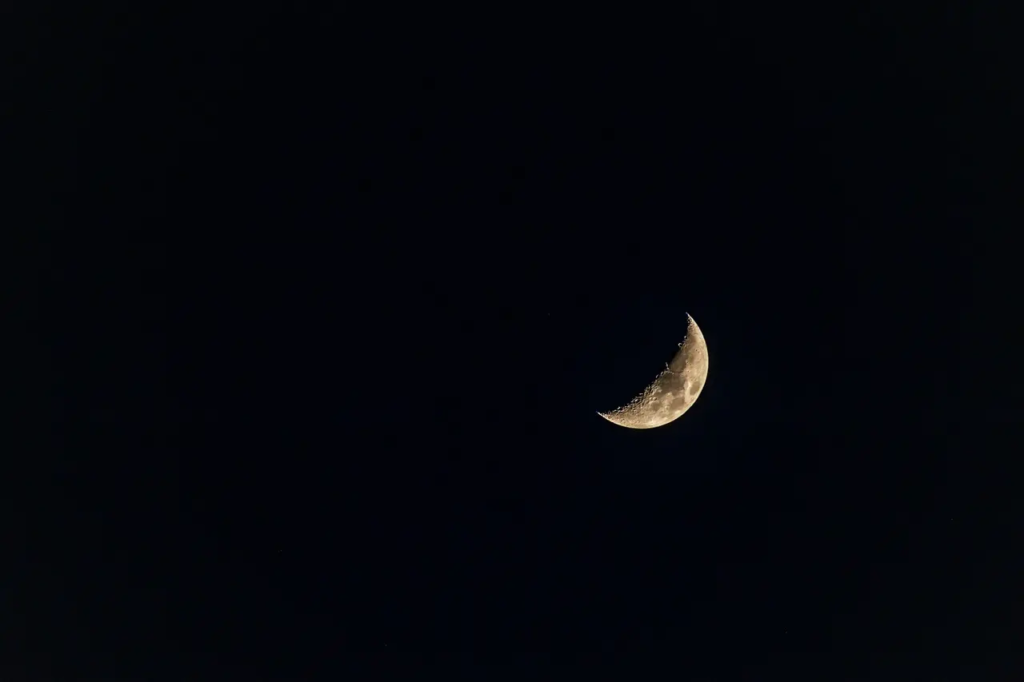
According to reports from Reuters, religious authorities in various nations are already preparing their observation committees to monitor the skies for the first sliver of the moon. The core of this tradition stems from a directive to observe the fast upon sighting the crescent. However, if clouds obscure the sky, observers must complete a 30-day cycle of the previous month, Shaban, before beginning the fast.
Calculation Versus Visual Sighting
In the modern era, a significant divide exists between those who rely on visual sightings and those who favor pre-determined calculations. Some nations, including Turkey, have pioneered Lunar Calendar Reforms that eliminate the need for monthly visual confirmations. These countries use sophisticated astronomical data to set their calendars years in advance, providing a sense of predictability for families and businesses.
Despite these technological leaps, the majority of the Muslim world still adheres to the physical sighting of the moon with the naked eye. This reliance on nature creates an unpredictable element that heightens the sense of communal wonder during “moonsighting” nights.
The British Challenge and Global Discrepancies
For Muslim communities in the United Kingdom and Northern Europe, Ramadhan 2026 presents unique challenges. Historically, the heavy cloud cover in Britain made local moon sightings nearly impossible. During the mid-20th century, migrants often “outsourced” their sightings to Morocco, Turkey, or Saudi Arabia. This practice frequently led to divided communities, where neighboring mosques celebrated Eid on different days based on which foreign authority they followed.
The New Crescent Society, a UK-based astronomy group, now works to change this narrative. By educating local communities on lunar observation, they aim to establish a viable Islamic calendar based on sightings within the UK. Research published by BBC News highlights how these local initiatives foster a sense of belonging and reduce the “pain” of divided celebrations that many British Muslims experienced in previous decades.
The Science of the “Young Moon”
Spotting a crescent moon that is less than 24 hours old requires immense skill and ideal conditions. Astronomers track the “lag”—the time between sunset and moonset—to determine the best viewing window. The most favorable time to view a young crescent typically occurs halfway between these two events, as the sky darkens enough to reveal the thin sliver while the moon remains high enough above the horizon.
Historical records from AP News note that the record for the youngest moon seen with the naked eye stands at 15 hours and 32 minutes. While binoculars and high-powered telescopes can capture even “zero-hour” moons at the moment of conjunction, most religious scholars insist on sightings that do not require advanced optical aids.
Projecting the Dates for Ramadhan 2026
Current projections suggest a staggered start for the holy month. In Saudi Arabia, where officials often declare a sighting earlier than other regions, the fast will likely commence on Wednesday, February 18, 2026. In contrast, observers in the UK, Europe, and North Africa expect to confirm the sighting a day later, officially starting their fast on Thursday, February 19.
Further east, countries like Australia may wait until Friday, February 20, to begin their observances. This global ripple effect means that the end of the month, marked by the celebration of Eid al-Fitr, will also vary. Most European and North African communities anticipate Eid celebrations to begin on Saturday, March 21, 2026, while those following Saudi sightings will likely celebrate on Friday, March 20.
This variation is not merely a matter of dates; it represents a deep connection to the natural world. When thousands gather on beaches or hilltops to search the horizon, they participate in an ancient human ritual. They align their spiritual lives with the celestial movements of the universe, bridging the gap between modern technology and the timeless observation of the heavens.