
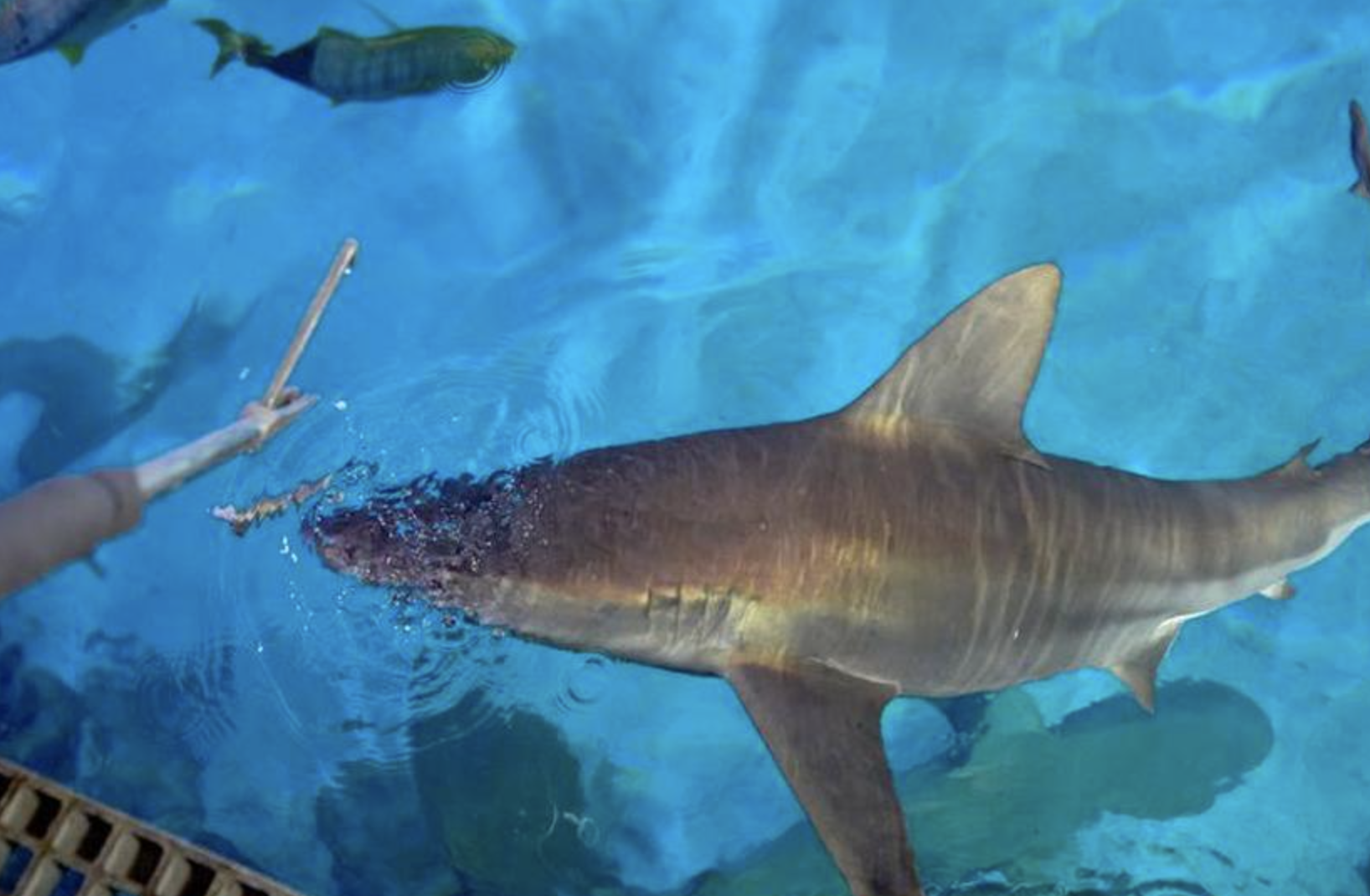
In the heart of the Mojave Desert, the Mandalay Bay Resort has long stood as a beacon of opulence, but a recent revelation regarding its aquatic inhabitants has sparked a fascinating debate over the economics of luxury. While human visitors to the Las Vegas Strip are increasingly vocal about the “sticker shock” of high-end dining, the resort’s marine residents are reportedly enjoying a diet that rivals, and perhaps exceeds, the nutritional quality of the meals served to the tourists themselves. This juxtaposition highlights a growing trend in the hospitality industry where the cost of maintaining world-class attractions is beginning to intersect with the pricing thresholds of global travelers.
The Culinary Standards of the Shark Reef Aquarium
At the center of this discussion is the Shark Reef Aquarium, a massive facility with a 1.3 million-gallon capacity that serves as home to over 3,400 marine animals. According to Becky O’Brien, the curator at the Mandalay Bay Resort, the standards for animal husbandry are rigorous, particularly when it comes to nutrition. The sharks—representing 15 different species—are fed a meticulously curated diet consisting of mackerel, herring, blue runner, and sardines.
“When you look at the sheer quality of the seafood we provide, I think it’s fair to say the sharks here are dining more luxuriously than many of the tourists on the Strip,” O’Brien remarked. This isn’t just hyperbole; the facility consumes more than 137 kg of premium fish every week. Each animal’s intake is monitored, and vitamins are often hidden within the fish to ensure peak health. According to reports from Associated Press, such high standards are necessary to maintain the delicate ecosystem of a land-locked aquarium of this magnitude.
Why Mandalay Bay Resort Sharks Dine Better Than Tourists
The irony of the situation is not lost on the millions of visitors who flock to Las Vegas annually. Since opening in 2000, the Mandalay Bay Resort aquarium has hosted over 21 million guests. However, the experience of the modern tourist is increasingly defined by inflation. While the sharks enjoy consistent, high-quality “room service,” travelers are facing a reality where a single dinner can easily exceed four figures.
Sarah, a traveler from New York, expressed her frustration to Fox News, noting that the “Vegas experience” has shifted from accessible luxury to an exorbitant expense. “Dining in Vegas has completely changed. A dinner for a small group can hit $1,000, which feels entirely disproportionate,” she said. This sentiment is echoed across social media platforms, where visitors frequently post receipts of thousand-dollar wine bottles and astronomical service fees.
This economic divide raises questions about the sustainability of the Las Vegas tourism model. As analyzed by Reuters, the hospitality sector in Nevada has seen a sharp increase in operational costs, which are inevitably passed down to the consumer. In contrast, the fixed cost of premium “shark food” remains a non-negotiable part of the resort’s conservation and exhibition mandate.
The Rising Cost of the Las Vegas Experience
The disparity between the sharks’ diet and the tourists’ budget is emblematic of a broader shift in the global ledger of travel. For many, the rising costs of Las Vegas vacations are becoming a barrier to entry. While the Mandalay Bay Resort continues to provide a world-class environment for its 15 shark species, the human guests are starting to feel the pinch of a city that has leaned heavily into the “ultra-luxury” market.
Experts suggest that the high price of dining in Las Vegas is a result of several factors, including supply chain complexities and the city’s transition into a premier sports and entertainment hub. As noted by The New York Times, the influx of high-profile events like Formula 1 and major residency shows has emboldened restaurants to push pricing to its absolute limit.
Maintaining the Balance: Health vs. Hospitality
For Becky O’Brien and her team, the focus remains on the biological needs of their charges. If a shark refuses its “luxury” meal of mackerel or herring, it is often a sign of a health issue or a natural mating cycle. For the tourists, however, “refusing to eat” is becoming a financial decision rather than a biological one.
As the Mandalay Bay Resort looks toward the future, the challenge will be balancing the high cost of maintaining its spectacular attractions with the need to keep the Las Vegas experience within reach for the average traveler. For now, the sharks remain the most pampered residents on the Strip, blissfully unaware of the economic debates swirling above their 1.3 million-gallon home.
For more insights into the global travel economy and high-end hospitality, stay tuned to BBC News for the latest updates on international tourism trends.
Discover the latest food trends, recipes, and culinary news by exploring our coverage here.