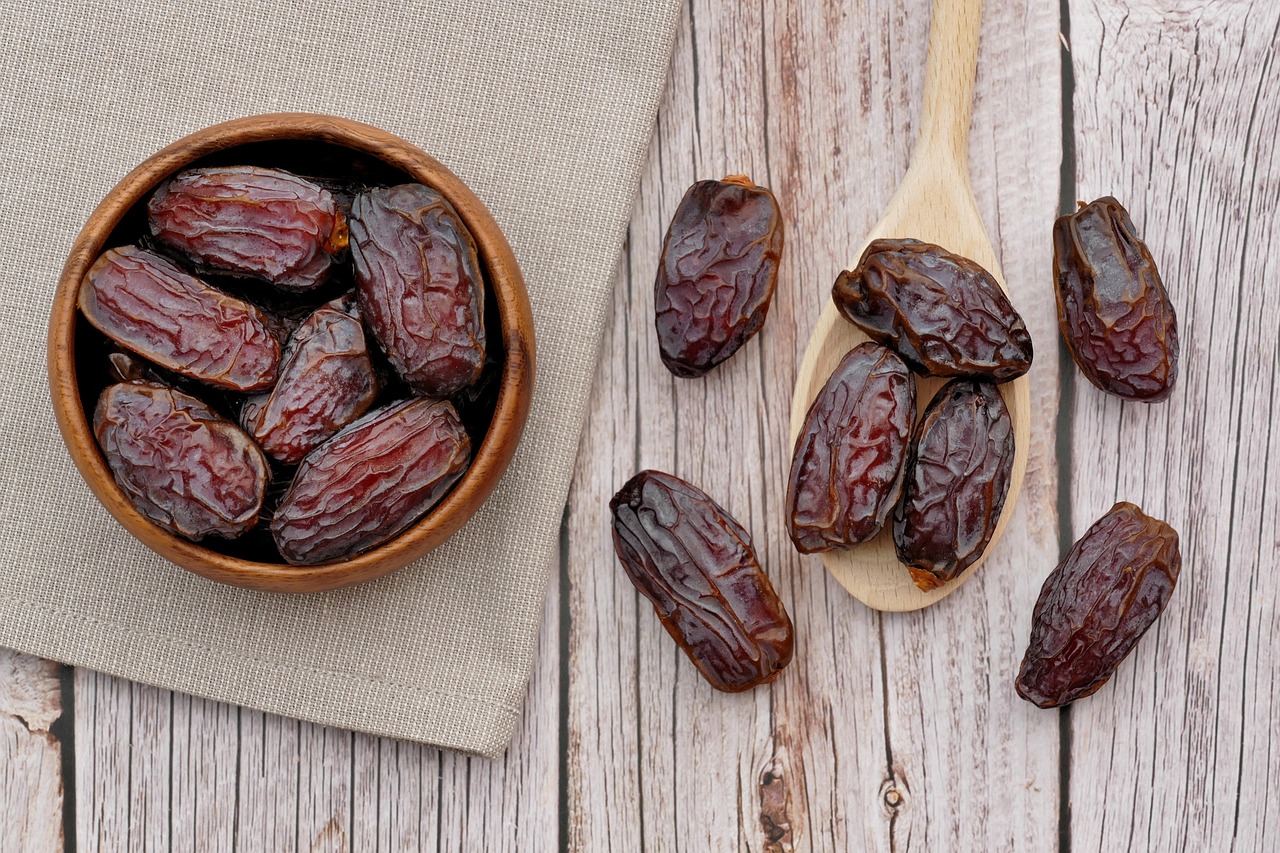
Prophet Muhammad SAW practiced a refined approach to nutrition that remains a gold standard for metabolic health during the month of Ramadan. Centuries before modern dietitians calculated glycemic indices, the Prophet established a ritual around the date palm fruit that optimized human physiology for the rigors of fasting. At “The Gilded Fork,” we view the date not merely as a sugary confection, but as a historical vessel of endurance.
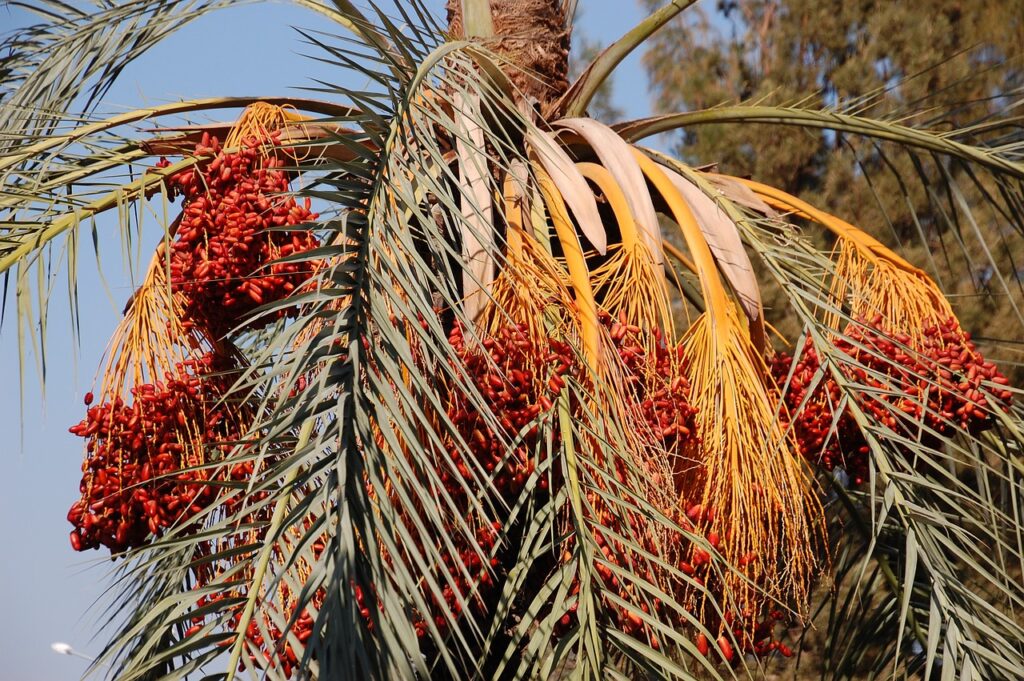
Why Prophet Muhammad SAW Preferred Dates for Sustained Energy
The Prophet Muhammad SAW recognized the profound restorative power of the date, often breaking his fast with three small fruits before the Maghrib prayer. This choice reflects a sophisticated understanding of biological recovery. After fourteen hours of abstinence, the human brain demands glucose. The date provides this via fructose and glucose, yet its high fiber content prevents the insulin spike associated with refined sweets.
According to historical records, the Prophet did not simply consume these fruits for calories; he treated them as a medicinal foundation. He often paired dates with water, creating a primitive but perfect isotonic solution that rehydrated cells while restoring blood sugar levels. This method prevents the “food coma” or lethargy that follows a heavy meal, allowing the body to transition into prayer with mental clarity.
The 5 Massive Secrets of Prophetic Date Consumption
Historians and scholars of the Hadith note specific patterns in how the Prophet Muhammad SAW approached this desert superfood. These five methods offer a blueprint for modern fasting success.
1. The Odd Number Rule: The Prophet typically consumed dates in odd numbers—one, three, or five. While spiritually significant, this practice also encourages portion control, preventing the overconsumption of natural sugars.
2. The Freshness Priority: He preferred Rutab (fresh, succulent dates) over Tamr (dried dates). Fresh dates contain higher water content, aiding immediate rehydration.
3. The Pairing Strategy: He occasionally paired dates with cucumber or watermelon. This cooling combination balances the heat and density of the date with the hydration and crunch of water-rich vegetables.
4. The Ajwa Distinction: He held the Ajwa date, grown in Medina, in high esteem. This variety possesses a distinct, prune-like texture and a lower glycemic load than the common Medjool.
5. The Pre-Dawn Ritual: For Suhoor, the meal before dawn, he famously stated that the best food for the believer is the date. Its slow-release energy sustains the body throughout the long daylight hours.
Optimizing the Iftar Table for Metabolic Health
Modern science validates the Prophetic tradition of gradual eating. When you break your fast, your digestive enzymes require a “wake-up call.” Drinking a glass of warm water followed by a few dates initiates the metabolic fire without overwhelming the stomach.
Avoid the temptation to dive into large, fried platters immediately. This sudden influx of fats and processed carbohydrates triggers inflammation and water retention. Instead, follow the historical precedent of a light, date-focused opening followed by a short break. For those seeking the highest quality ingredients, the Michelin Guide often highlights how top-tier chefs incorporate these ancient fruits into contemporary healthy menus.
Suhoor: Building a Foundation of Endurance
The Prophet Muhammad SAW emphasized the blessing of the Suhoor meal. To maintain energy, focus on complex carbohydrates and lean proteins. A sandwich on whole-grain bread or a wrap with eggs and vegetables provides the necessary fiber to keep hunger at bay.
According to the Food & Wine nutrition database, dates contain key minerals such as potassium and magnesium that help reduce muscle cramps during hot daytime hours. However, caffeine should be limited. Beverages like coffee and tea function as diuretics, causing the body to lose important fluids and increasing the risk of early dehydration.
Avoiding the Pitfalls of Processed Sugars
While the Prophet Muhammad SAW emphasized the natural sweetness of dates, he also warned against overindulgence. Today, many Ramadan tables are filled with sugary drinks and heavily fried pastries. Such foods can trigger a sharp spike in blood sugar followed by a quick drop, ultimately leaving you feeling more drained than the fast itself.
Instead, look toward Ancient Fasting Rituals that prioritize whole foods. Yogurt, nuts, and seeds offer the healthy fats required for brain function. As noted by culinary experts at Eater, the cultural significance of the date during Iftar is not just about tradition—it is a masterclass in functional nutrition.
By following the specific habits of the Prophet Muhammad SAW, you transform the act of eating into a strategic recovery process. This historical diet ensures that the body remains a capable vessel for the spiritual demands of the holy month, proving that the most effective health “secrets” are often the oldest ones.