
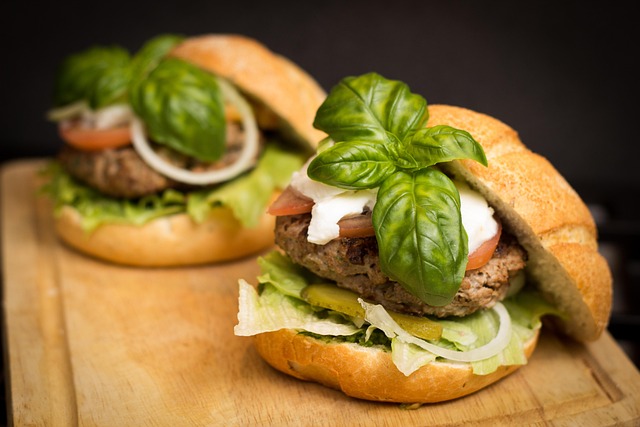
The Hamburger is far more than a mere staple of modern convenience; it is a storied artifact of global migration, industrial ingenuity, and the relentless pursuit of the American Dream. At “The Gilded Fork,” we often look for the soul of a dish in its lineage, and few plates possess a pedigree as complex as the humble patty between two buns. While today it is synonymous with the neon glow of fast-food arches, its origins whisper of ancient Mesopotamian techniques and the bustling ports of 19th-century Europe. To understand the burger is to understand the last two centuries of human movement, from the decks of steamships to the high-tech kitchens of the modern smash burger era.
The European Genesis: From Hamburg to New York
The etymology of the dish leads us directly to Hamburg, Germany, a city that served as a pivotal maritime hub. By the 12th century, the region was already famed for its high-quality beef. However, the concept of minced meat dates back much further, potentially to the domestication of cattle 10,000 years ago. When German immigrants began their mass exodus to the United States in the mid-1800s, they brought their culinary heritage with them, specifically the “Hamburg-style chopped steak.”
In the burgeoning dining scene of New York City, legendary establishments like Delmonico’s reportedly featured “hamburger steak” on their menus as early as 1836. At this stage, it was a refined dish—seasoned, minced beef served on a plate, often without the bread that would later define its identity. It was a taste of home for the immigrant and a novelty for the local, bridging the gap between Old World traditions and New World appetites. This period marked the critical transition of the Hamburger from a regional German specialty to a foundational element of American gastronomy.
The Rise of the Hamburger as an American Cultural Icon
The transformation from a plated steak to a handheld sandwich is where history becomes beautifully murky. Culinary legends often conflict, but the name “Hamburger Charlie” Nagreen stands out. In 1885, at the Outagamie County Fair in Wisconsin, Nagreen allegedly realized that fairgoers needed a meal they could eat while walking. By flattening a meatball and placing it between slices of bread, he created a portable feast. Whether it was Nagreen, the Menches brothers in Ohio, or Louis Lassen in Connecticut, the late 19th century was the “Big Bang” moment for the Hamburger.
By the time the 1904 St. Louis World’s Fair arrived, the burger was ready for its close-up. The fair served as a global stage, introducing the sandwich to a massive audience. However, the industry faced a significant hurdle following the publication of Upton Sinclair’s The Jungle. The novel’s exposé on the meatpacking industry’s lack of hygiene cast a shadow over ground beef. It took decades of innovation in food safety and the rise of transparent kitchen practices—pioneered by early chains—to restore public trust. This era proved that the Hamburger was resilient, capable of surviving scandal to become a symbol of reliability and speed. For more on how early safety standards shaped modern menus, explore our guide on historical food safety shifts.
The Science of the Sear: The Smash Burger Revolution
In the modern era, the Hamburger has undergone a gourmet renaissance. We have moved past the “mystery meat” era into a time where the provenance of the cow is as important as the vintage of a wine. One of the most significant technical shifts in recent years is the resurgence of the “smash burger.” While the technique dates back to mid-20th century diners in Kentucky, it has been perfected by contemporary chefs who prioritize the Maillard reaction—the chemical process that creates a savory, browned crust on the meat.
As noted by experts at Serious Eats and Bon Appétit, smashing a cold ball of high-fat beef onto a scorching hot griddle maximizes surface area contact. This creates a jagged, crispy edge that contrasts beautifully with a soft, steamed bun. It is a return to simplicity, stripping away the “over-the-top” toppings of the early 2000s in favor of pure, beefy intensity.
A Global Phenomenon with Local Roots
Today, the influence of the Hamburger knows no borders. From the high-end bistros of Paris to the vibrant street food scene in Jakarta, the dish adapts to the local palate while maintaining its core identity. In Indonesia, the smash burger has become a cult favorite, with local artisans experimenting with wagyu blends and sambal-infused mayonnaises. This adaptability is documented extensively by Eater, which tracks how regional variations continue to redefine what a “classic” burger looks like.
Whether you prefer a thick, medium-rare patty from a Food & Wine recommended steakhouse or a lacy-edged smash burger from a roadside shack, you are participating in a historical continuum. The Hamburger remains the ultimate canvas for culinary expression—a dish that started in the ports of Germany, found its soul in the American Midwest, and continues to conquer the world, one bite at a time. It is a reminder that the best food isn’t just about nutrition; it’s about the stories we tell and the history we share across the table.
Discover the latest food trends, recipes, and culinary news by exploring our coverage here.