In the neon-lit convenience stores of Tokyo and the quiet vending machine corners of Kyoto, an unlikely American relic is finding a second life. The culinary world is often a cycle of rediscovery, but few could have predicted that the humble Farmer’s Coke—a mid-century staple of the American South—would become the latest obsession among Japan’s gastronomic trendsetters. This peculiar marriage of salted peanuts and effervescent cola is more than just a viral TikTok moment; it is a fascinating case study in how literature, history, and the universal craving for the “sweet-and-salty” profile can bridge two vastly different cultures.
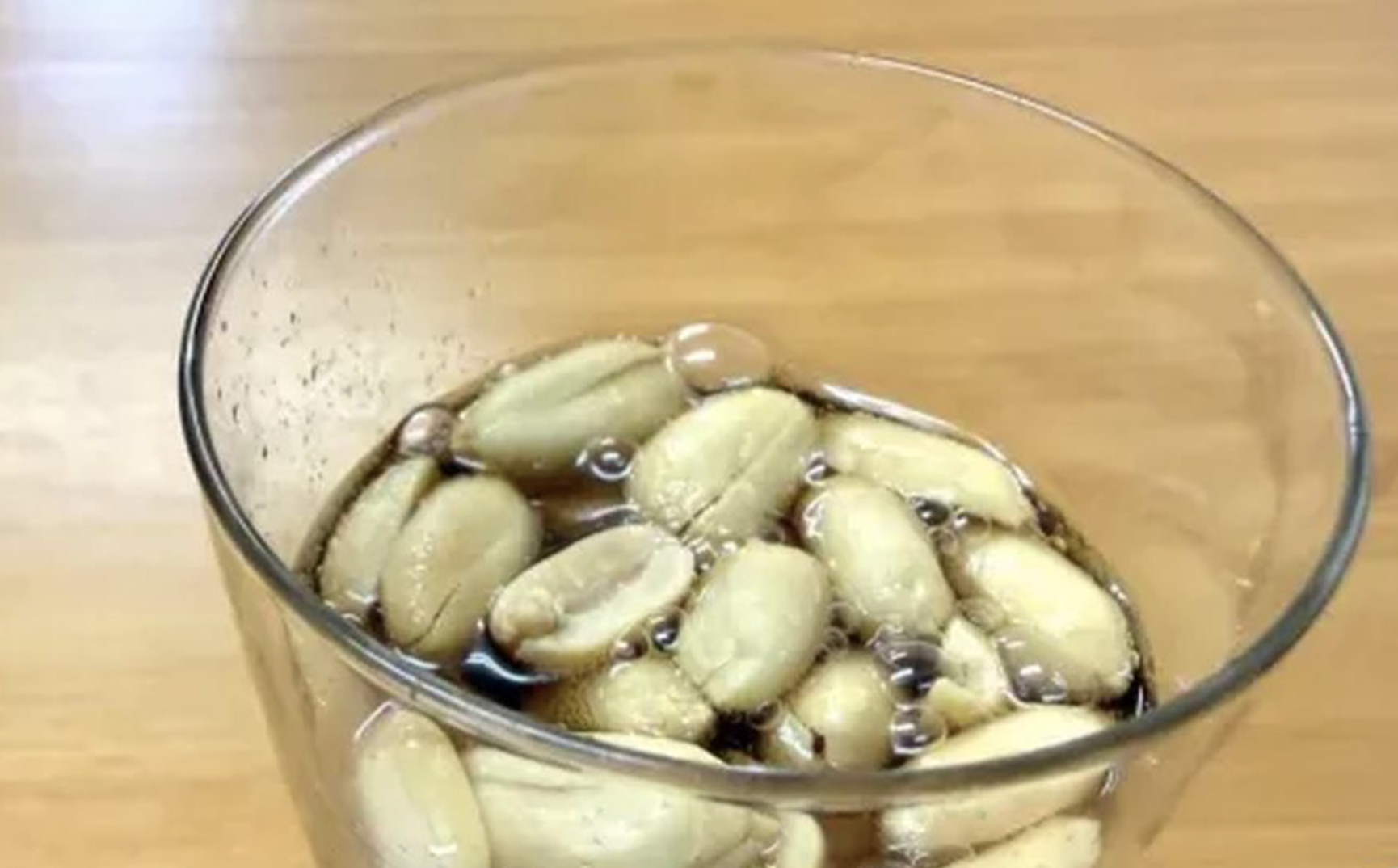
The spark that ignited this transpacific firestorm came from a single post on X (formerly Twitter) by user @nekoyamamanager. The user recounted a literary memory from thirty years ago, citing an essay by the legendary Japanese novelist Haruki Murakami. In his prose, Murakami described an American custom of dropping peanuts directly into a bottle of cola. Decades after reading it, the user finally decided to test the theory. The verdict? “It’s incredibly delicious. I don’t want to drink cola any other way ever again.” The post didn’t just go viral; it sent thousands of curious drinkers to their nearest 7-Eleven to recreate the experiment.
The Blue-Collar Roots of Farmer’s Coke
While Japan is treating this as a “new” discovery, the history of Farmer’s Coke is deeply rooted in the red clay soil of the American South. To understand the appeal, one must look back to the early 20th century, particularly the 1920s and 30s. According to culinary historians at Eater, the practice was born out of necessity and efficiency for blue-collar workers.
For farmers, mechanics, and delivery drivers with grease-stained or soil-covered hands, stopping to eat a snack was a hygienic challenge. By pouring a packet of salted peanuts directly into a narrow-neck glass bottle of Coca-Cola, they could enjoy a high-protein snack and a caffeine boost simultaneously without ever having to touch the food. It was the original “on-the-go” meal, a testament to the ingenuity of the working class. This rugged history provides a stark, romantic contrast to its current status as a sophisticated curiosity in Japanese urban centers.
The Science of the Salty-Sweet Synergy
Why does it work? From a sommelier’s perspective at “The Gilded Fork,” the appeal of Farmer’s Coke lies in the fundamental chemistry of taste. Salt is a powerful flavor enhancer; it suppresses bitterness and functions as a bridge that allows the sweetness of the corn syrup or cane sugar in the soda to pop. When the salt from the fried peanuts dissolves into the carbonated liquid, it creates a complex slurry that mimics the sophisticated profile of salted caramel or a dark chocolate sea-salt bar.
Furthermore, the texture plays a vital role. The initial “crunch” of the peanut followed by the “fizz” of the soda provides a multi-sensory experience. However, as noted by enthusiasts on Food & Wine, timing is everything. If the peanuts sit too long, they lose their structural integrity, becoming unpleasantly soft. The goal is to catch the peanut in that fleeting moment where it is still crisp but has been seasoned by the surrounding syrup.
The Murakami Effect and Cultural Translation
It is no coincidence that Haruki Murakami served as the catalyst for this trend. Murakami’s work has always been a conduit for Western “cool” in Japan—jazz, whiskey, and American noir are staples of his surrealist landscapes. By mentioning this Southern habit in his essays, he transformed a utilitarian survival tactic into an aesthetic choice. This is a recurring theme in our exploration of culinary traditions reborn, where the context of a dish changes entirely as it crosses borders.
In Japan, the trend is being refined. While the original Southern version often used whatever was available at a gas station, Japanese practitioners are experimenting with high-quality roasted peanuts and even craft colas. It is a beautiful example of “Zakkyo” culture—the Japanese ability to take foreign influences and polish them into something uniquely their own.
How to Properly Recreate the Experience
For those looking to join the trend, the “recipe” is deceptively simple, yet requires a bit of finesse to get right.
1. The Vessel: Use a glass bottle or a tall, narrow glass to keep the carbonation tight.
2. The Soda: Classic Coca-Cola is the standard, though some prefer the bite of a Mexican Coke made with cane sugar.
3. The Peanuts: They must be roasted and salted. Avoid honey-roasted or flavored varieties, as they muddy the flavor profile.
4. The Pour: Take a few sips of the soda first to create room, then pour the peanuts in slowly.
As we see in many reports from Bon Appétit, the return to “low-brow” classics is a growing movement in a world often saturated with overly engineered fusion food. There is an honesty to the Farmer’s Coke that resonates. It reminds us that sometimes the best flavors aren’t found in a sous-vide bag or under a foam of molecular air, but in the bottom of a soda bottle.
A Verdict from The Gilded Fork
Is Farmer’s Coke a permanent addition to the global pantry or a fleeting social media whim? While the hype may die down, the historical legacy and the undeniable logic of its flavor profile suggest it will always have a place in the hearts of those who appreciate the intersection of history and taste. Whether you are a farmer in Georgia or a salaryman in Shinjuku, the satisfying “clink” of a peanut against a glass bottle is a sound of universal comfort.
As we continue to track the evolution of global dining on Michelin-starred levels and street food stalls alike, it remains clear: the most enduring trends are those that tell a story. The story of the Farmer’s Coke is one of hard work, literary inspiration, and the simple joy of a salty-sweet crunch.
Discover the latest food trends, recipes, and culinary news by exploring our coverage here.