The Bugatti EB112 represents the ultimate “what if” of the 1990s automotive landscape, a four-door titan that nearly redefined the ultra-luxury segment before the company collapsed. While the world obsessed over the quad-turbocharged EB110, Romano Artioli harbored a grander vision: a super-saloon that combined the elegance of the 1930s with the brutal engineering of the future. Today, the final example ever completed is heading to the auction block, carrying an estimate that makes modern hypercars look like bargain-bin specials.
The Bugatti EB112 Design Controversy
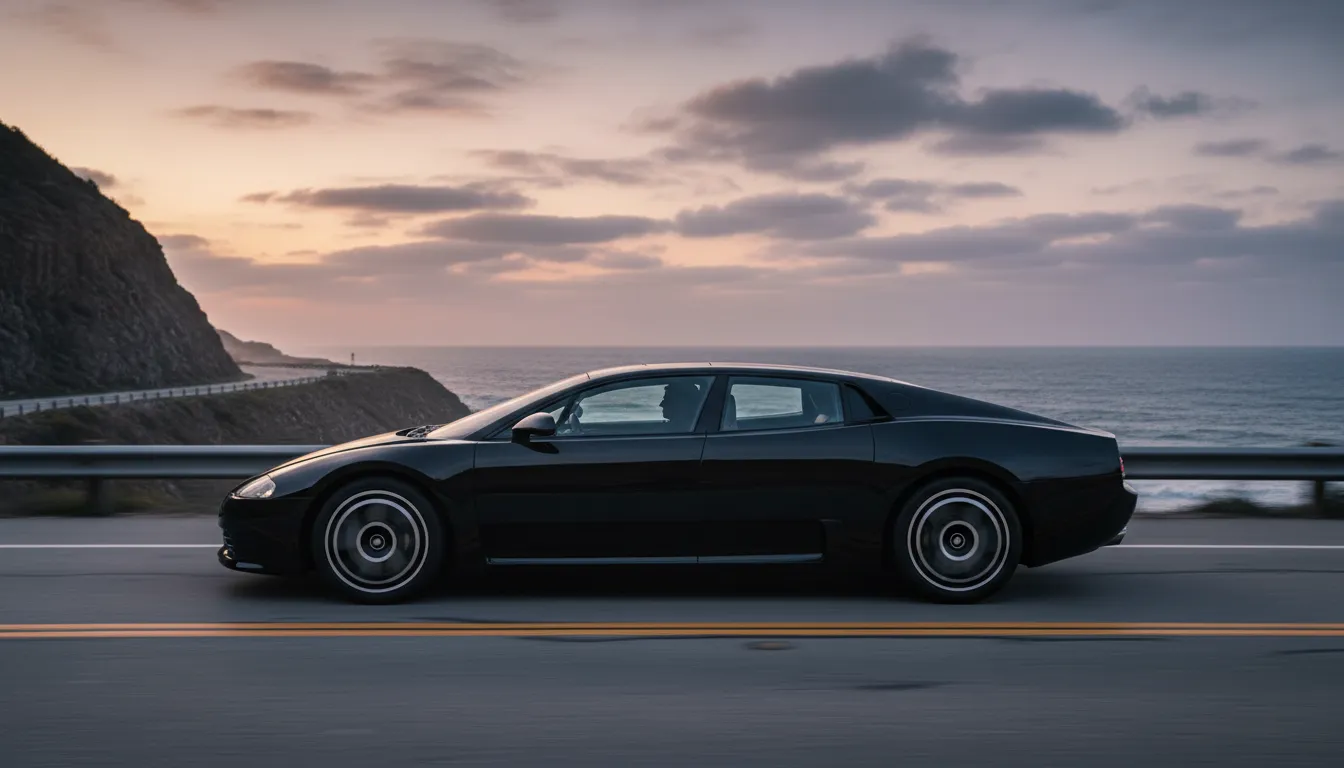
When Giorgetto Giugiaro first pulled the silk off the Italdesign Bugatti EB112 at the 1993 Geneva Motor Show, the reaction was polarized. Critics didn’t know whether to applaud the neo-retro fastback or recoil from its bulbous proportions. Giugiaro intentionally leaned into the brand’s heritage, incorporating a pronounced spine that ran the length of the car—a direct nod to the legendary Type 57 SC Atlantic.
The design wasn’t just a styling exercise; it was a functional masterpiece of aerodynamics and packaging. Despite its massive footprint, the car utilized an all-aluminum body draped over a carbon-fiber chassis derived from the EB110. This was unheard of for a sedan in 1993. While the Bugatti Tourbillon now pushes the boundaries of modern engineering, the EB112 was the first to prove that a four-door could share the DNA of a world-record-breaking supercar.
The V12 Heart and EB110 DNA
Underneath that controversial skin lies a mechanical symphony. Unlike the 3.5-liter quad-turbo unit found in its sibling, the Bugatti EB110, the EB112 features a massive 6.0-liter naturally aspirated V12. This engine produces 460bhp and 590Nm of torque, sent to all four wheels through a six-speed manual gearbox.
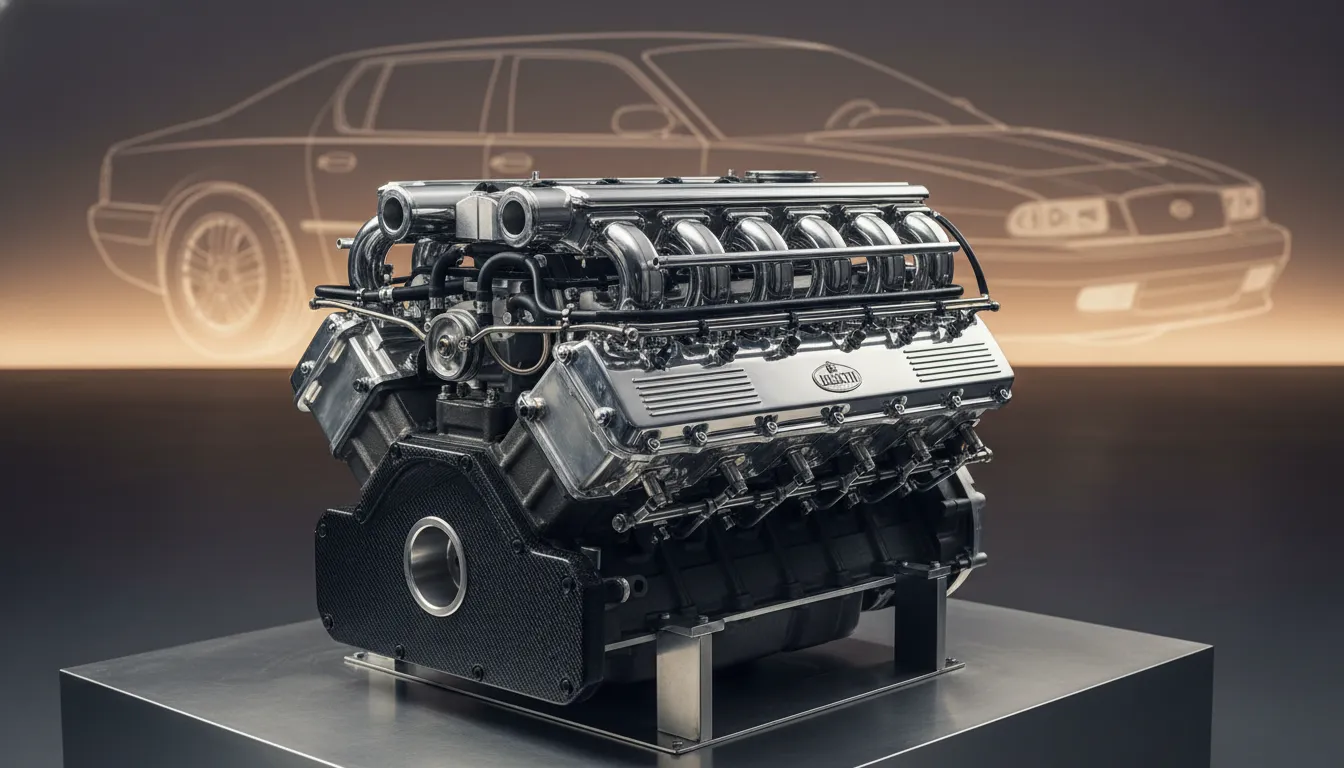
AI Generated Image: The 6.0-litre V12 engine of the Bugatti EB112 with its polished intake manifolds
Performance figures remain impressive even by today’s standards. The EB112 sprints from 0-62mph in just 4.3 seconds, reaching a top speed of 186mph. It utilized a permanent four-wheel-drive system with a 38:62 front-to-rear torque split, ensuring the car handled more like a nimble GT than a lumbering limousine. This specific auction car, chassis #39003, represents the pinnacle of this development, featuring the most refined version of the powertrain ever installed in the chassis.
Gildo Pallanca Pastor and the Resurrection
The story of the Bugatti EB112 nearly ended in 1995 when Bugatti Automobili S.p.A. filed for bankruptcy. The factory doors in Campogalliano were locked, leaving two unfinished chassis gathering dust. Enter Gildo Pallanca Pastor, a Monegasque businessman and racing enthusiast who would later become the owner of Venturi.
Pastor purchased a significant portion of the company’s assets to support his EB110 racing efforts. Included in that haul were the two incomplete EB112 saloons. He tasked his Monaco Racing Team with finishing the cars to the highest possible standard. This particular black example was the last of the three ever made, completed in 1999. It remained in Pastor’s personal collection for over 15 years, serving as a rolling testament to the ambition of the Artioli era.
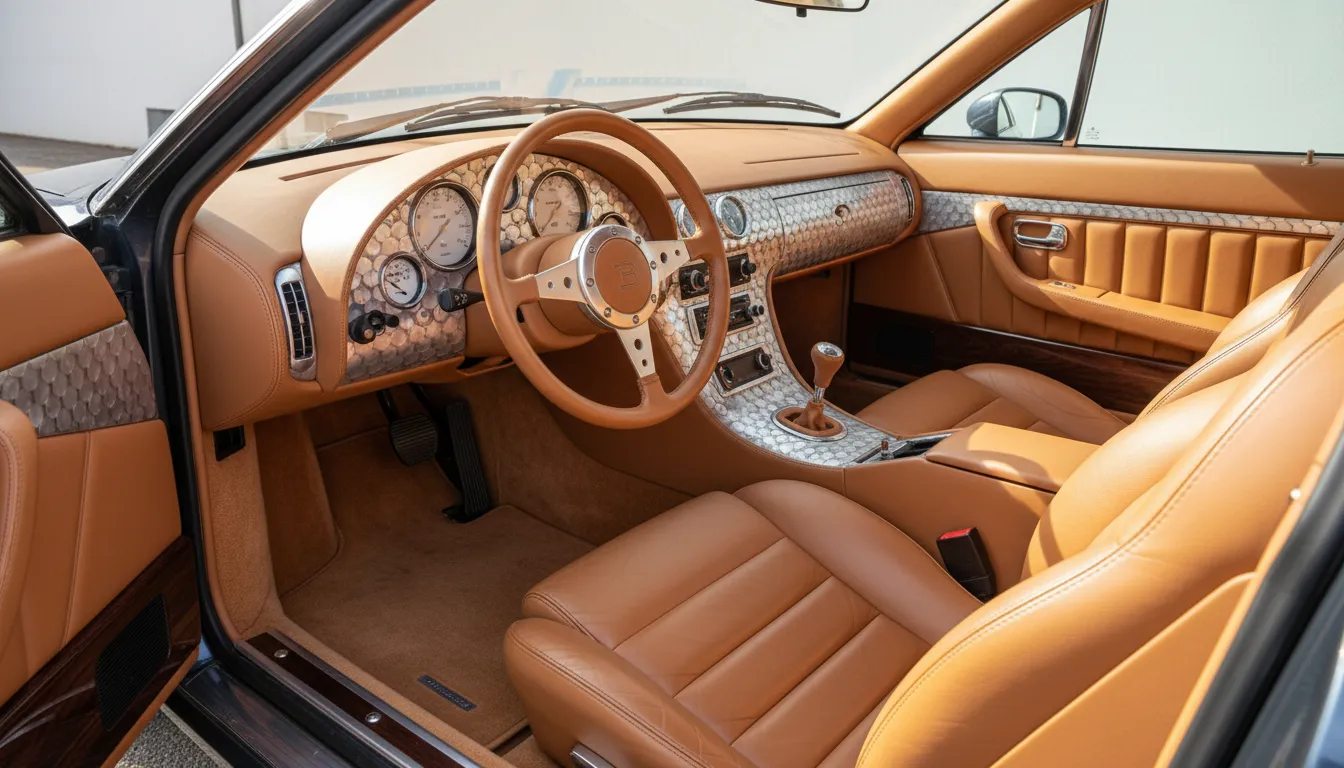
AI Generated Image: The interior of the Bugatti EB112 featuring tan leather and the unique Perlée metal dashboard finish
Why the RM Sotheby’s Monaco Auction Matters
This isn’t just another rare car sale; the RM Sotheby’s Monaco Auction listing for the EB112 is a historic event. With only 241 miles (388 km) on the odometer, this car is effectively “as new.” The current owner recently invested over £32,000 in mechanical preservation, ensuring the V12 and the complex all-wheel-drive system remain in peak condition.
The estimate of £1.3m to £1.75m reflects its status as a “unicorn.” It is the only opportunity for a collector to own a road-homologated Bugatti saloon from the Italian era. The sale also includes bespoke luggage and a custom umbrella featuring a handle modeled after Rembrandt Bugatti’s famous dancing elephant sculpture—the same mascot found on the Type 41 Royale.
5 Secrets of the EB112
1. The Porsche Connection: Many automotive historians note that the EB112’s fastback silhouette predated the Porsche Panamera by over a decade, suggesting Giugiaro was far ahead of the market curve.
2. The Hidden Elephant: The car comes with a bespoke umbrella hidden in the door, featuring a silver handle shaped like the “Dancing Elephant” from the Bugatti Royale.
3. Carbon Fiber Pioneer: It was one of the first sedans in history to utilize a full carbon-fiber monocoque, a technology that wouldn’t become common in luxury cars for another twenty years.
4. The “Most Beautiful” Title: Despite the mixed public reaction, Automobile magazine famously named the EB112 “The Most Beautiful Car in the World” upon its debut.
5. The Three Survivors: Only three exist. The original red prototype stays with Italdesign, one blue car is in a private Russian collection, and this black example is the only one currently available to the public.
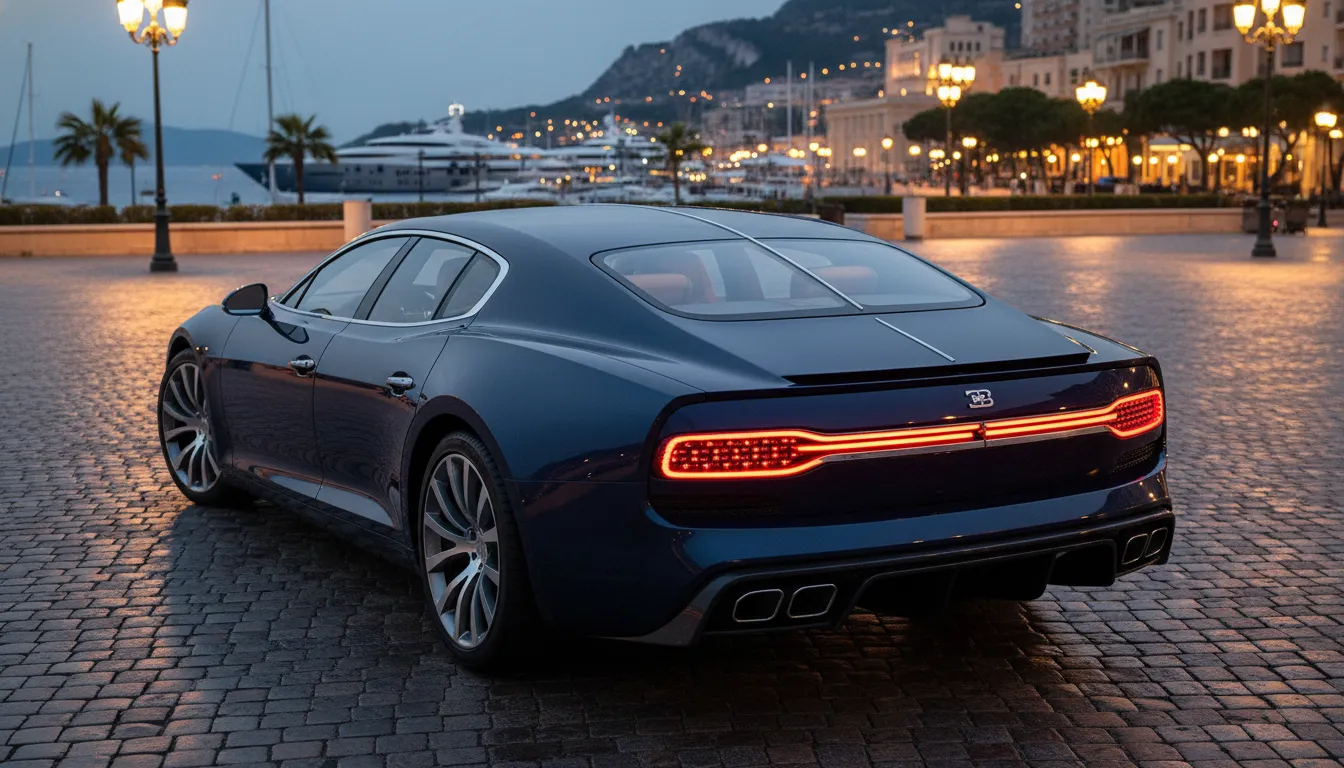
AI Generated Image: Rear view of the Bugatti EB112 highlighting the split rear window and integrated spoiler
The Bugatti EB112 remains a fascinating anomaly. It was a car built for a world that wasn’t ready for it, by a company that ran out of time. As it crosses the block in Monaco, it finally receives the recognition it deserves as the spiritual ancestor to the modern hyper-saloon. For the lucky buyer, it isn’t just a car; it is a 186mph piece of history that refuses to be forgotten.