When we think of the perfect accompaniment to a pile of golden fries or a backyard burger, our minds immediately conjure the vibrant red hue of a tomato-based condiment. However, a deep dive into Ketchup History reveals that this kitchen staple was once a far cry from the sweet, vinegary fruit preserve we know today. Long before the first tomato was crushed into a bottle, “ketchup” was a term reserved for a savory, often fermented elixir derived from the most unexpected sources—ranging from earthy mushrooms to briny oysters. For centuries, the identity of this sauce was defined not by its ingredients, but by its intense, umami-rich profile designed to withstand the test of time.
The Salty Roots of Ketchup History
To understand how we arrived at the modern plastic squeeze bottle, we must look back to the 17th and 18th centuries. During this era, ketchup was less of a topping and more of a concentrated flavoring agent, much like a modern Worcestershire sauce. The goal was preservation; recipes were crafted to last up to 20 years, utilizing fermentation and high salt content to stave off spoilage. According to culinary archives often cited by Food & Wine, these early renditions were far more pungent and complex than our contemporary versions.
The Bittersweet Era of Walnut Ketchup
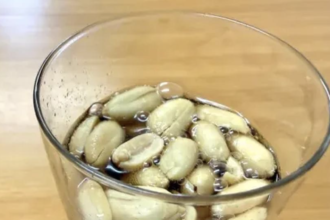
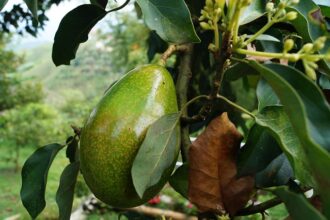
One of the most fascinating chapters in Ketchup History is the prominence of the walnut. In the 1870s, walnut ketchup was a household essential. Unlike the mature, woody nuts we eat today, this sauce required “green” walnuts—harvested mid-summer before their shells had a chance to harden. These young nuts were crushed and steeped in a bath of acidic vinegar.
The resulting liquid was sharp, astringent, and deeply savory. As the decades progressed, the recipe evolved from a simple nut-and-vinegar infusion into a sophisticated blend featuring shallots, horseradish, and mace. It was a dark, thin liquid that provided a sophisticated counterpoint to roasted meats, a testament to a time when the palate craved bitterness over sugar.
From the Forest Floor: Mushroom Ketchup
Before the tomato took its throne, the mushroom was the undisputed king of the ketchup world. Throughout the 1700s, mushroom ketchup was the standard. The process was a lesson in patience: fresh mushrooms were layered with salt and left to sit for days until they collapsed into a dark, liquid mash. This “liquor” was then boiled with ginger, black pepper, and allspice.
By 1822, recipes grew even more laborious, sometimes taking three full days to refine. This dedication yielded a sauce so shelf-stable it could be stored for over a year without refrigeration. Experts at Bon Appétit often note that this version of ketchup is the missing link between Western condiments and the fermented sauces of the East. This savory profile is a far cry from the high-fructose corn syrup versions found on modern supermarket shelves.
The Maritime Influence: Oysters and Ke-tsiap
The very word “ketchup” is believed to be derived from the Hokkien Chinese word ke-tsiap, referring to a fermented fish sauce. As Western explorers attempted to replicate these bold Southeast Asian flavors, they turned to the bounty of their own coasts. This led to the rise of oyster ketchup.
By 1888, cookbooks like “Oysters A la Mode” offered varying tiers of this condiment. A “budget” version might simply use cloves and cayenne, while a “luxury” version—befitting the readers of Michelin-starred history—would incorporate anchovies, white wine (specifically Chablis), and fresh lemon zest. These sauces were thick, briny, and served as a precursor to what we now recognize as oyster sauce in Cantonese cuisine.
Cucumbers and Lemons: The Tangy Alternatives
Not all ketchups were dark and heavy. In the mid-19th century, cucumber ketchup offered a refreshing, albeit salty, alternative. A popular 1869 recipe involved macerating cucumbers and onions in salt for 12 hours before boiling them with mustard seeds and vinegar. It was essentially a liquid pickle, stored in stone jars to maintain its crisp acidity.
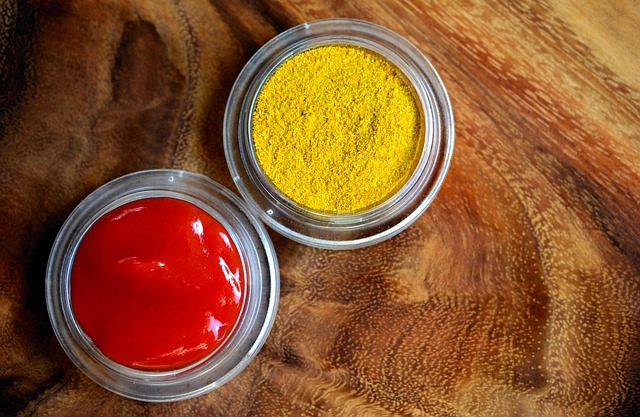
Similarly, lemon ketchup provided a bright, citrusy punch. Early 19th-century recipes describe a process of rubbing lemon rinds with salt and mixing them with horseradish, mustard seed, and turmeric. This created a yellow, pungent sauce that required daily stirring for two weeks. It was a labor of love that highlighted the ancient condiment origins of preserving seasonal produce through intense spice and acid.
Why the Tomato Eventually Won
The transition to the tomato-based ketchup we recognize today didn’t happen overnight. It wasn’t until the late 19th century that the tomato became the primary base, largely due to the efforts of industrial pioneers like Henry J. Heinz. Tomatoes provided a natural pectin that gave the sauce a thicker, more pleasing texture, and their natural sugar content appealed to a wider demographic.
As reported by Eater, the move toward tomato ketchup also signaled a shift toward mass production. The previous versions—walnut, mushroom, and oyster—were difficult to standardize for a global market. The tomato offered a consistent, bright, and shelf-stable canvas that could be easily bottled and shipped.
Today, while the red bottle reigns supreme, we are seeing a resurgence in artisanal “ancestral” ketchups. Modern chefs are looking back at Ketchup History to rediscover the complex, fermented depths of mushroom and walnut. While they may no longer be the standard, these historical sauces remind us that our culinary past is far more diverse—and savory—than the contents of a modern fast-food packet might suggest.
Discover the latest food trends, recipes, and culinary news by exploring our coverage here.