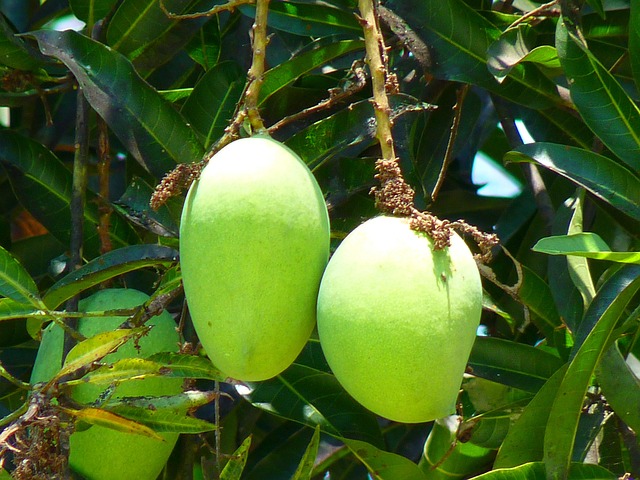
The Kohitur Mango reigns as the most exclusive horticultural legacy of the Nawabs of Bengal, commanding prices that defy the logic of the local marketplace. While ordinary mangoes flood the streets of India during the sweltering summer months, this specific variety remains a guarded secret of the Murshidabad district. Recently, business tycoon Harsh Goenka sparked a digital firestorm by highlighting this fruit on social media, noting that its price tag—reaching up to 2,000 rupees (approximately $25) per individual fruit—places it far beyond the reach of the average consumer. For the culinary elite, the price reflects more than just sugar content; it represents a direct link to the 18th-century royal courts of West Bengal.
Kohitur Mango: The Fragile Masterpiece of Murshidabad
The Kohitur Mango demands a level of reverence usually reserved for Ming vases or fine silk. Unlike the hardy varieties found in Western supermarkets, the Kohitur possesses a skin so delicate that even the slight pressure of a human thumb can bruise the flesh and ruin the flavor profile. Growers in the region treat each fruit like a glass artifact, wrapping individual mangoes in soft cotton wool while they still hang from the branch. This meticulous care ensures that the fruit maintains its pristine, yellowish-green hue until it reaches the hands of a collector.
History tells us that Nawab Siraj-ud-Daulah, the last independent ruler of Bengal, played a significant role in the cultivation of these orchards. Royal horticulturists created the variety through a complex grafting process, reportedly using the legendary Kalopahar mango as a base. Today, the Michelin Guide often highlights how such regional delicacies define the terroir of Indian fine dining. The exclusivity of the Kohitur stems from its limited geography; it grows almost nowhere else on Earth except for a few ancestral orchards in Murshidabad.
Why the Scarcity Drives a Massive Price Tag
The economics of the Kohitur Mango operate on the principle of extreme scarcity. While a single Alphonso tree might yield hundreds of fruits, the Kohitur trees are notoriously temperamental. In a bad year, the total harvest across the entire region might drop to as few as 150 fruits. This microscopic supply creates a frenzy among high-society families in Kolkata and Dhaka who view the fruit as a status symbol. While the Eater editorial team often discusses the rise of luxury Japanese melons, the Kohitur offers a similar level of prestige within the South Asian context.
Modern business leaders like Goenka have pointed out that even the wealthy struggle to secure a consistent supply. The trees themselves are aging, and the specialized knowledge required to maintain them is vanishing. This makes the Kohitur not just a fruit, but a biological antique. Bengal’s agricultural landscape offers more than just rice; explore our guide to Luxury Fruits of India to see how the Kohitur compares to other high-value regional specialties.
The Ritual of the Wooden Knife
One does not simply slice a Kohitur Mango with a kitchen knife. Tradition dictates a specific, almost liturgical process for consumption. Connoisseurs insist that contact with metal blades alters the chemical composition of the fruit, tainting its nuanced sweetness with a metallic aftertaste. Instead, servants in the old palaces used knives carved from bamboo or polished wood. This preservation of flavor remains a priority for those who understand the fruit’s profile: a creamy, fiberless texture that melts instantly on the tongue.
Temperature also plays a critical role in the Kohitur experience. Growers believe that the warmth of a human hand can accelerate the ripening process too quickly, leading to spoilage. Consequently, the fruit moves through a cold chain of dampened hay and cotton. This level of obsession mirrors the standards found in the world’s most expensive produce markets, as detailed by Food & Wine in their surveys of global luxury food trends.
Preserving a Vanishing Bengali Heritage
The survival of the Kohitur Mango faces significant hurdles in the 21st century. Urbanization and the shift toward more profitable, mass-market mango varieties threaten the remaining ancestral groves. Only a handful of farmers still possess the patience to wrap fruits in cotton and wait for a harvest that might only yield a few dozen specimens. These farmers act as the final custodians of a royal taste that has survived through centuries of colonial rule and political upheaval.
When a buyer pays $25 for a single fruit, they are funding the continuation of this botanical heritage. The flavor—a sophisticated balance of honeyed sweetness and a floral aroma—cannot be replicated by modern industrial farming. It requires the specific silt of the Bhagirathi River and the shade of ancient trees. As long as there are connoisseurs willing to pay for the “King of Mangoes,” the fragile Kohitur will continue to hold its throne in the orchards of Murshidabad, serving as a succulent reminder of Bengal’s gilded past.
Discover the latest food trends, recipes, and culinary news by exploring our coverage here.