Bad Breath Foods offer a culinary salvation for those navigating the quiet trials of fasting or the rigors of high-society galas where a crisp scent is as mandatory as a silk cravat. Historically, the elite of the Renaissance relied on heavy perfumes to mask the odors of the body, yet the true gourmands of the era understood that the secret to a pleasant aura lay not in what one sprayed, but in what one consumed. When the stomach remains empty for extended periods, the body begins a metabolic shift that often results in a less-than-desirable olfactory output. By strategically selecting ingredients that neutralize sulfur and promote saliva production, you transform your palate into a fortress of freshness.
The Science Behind Bad Breath Foods
The struggle against halitosis is as old as civilization itself. Ancient Egyptian papyri contain recipes for breath-freshening pellets made of frankincense and cinnamon. Today, we recognize that the primary culprits are volatile sulfur compounds (VSCs) produced by anaerobic bacteria residing in the crevices of the tongue. Certain Bad Breath Foods act as biological detergents. These items do more than merely mask scents; they alter the chemical environment of the oral cavity. To understand the full spectrum of these benefits, one might look to the Michelin Guide for insights on how wellness and high gastronomy intersect through clean ingredients.
The Apple: Nature’s Mechanical Toothbrush
Long before the invention of the nylon bristle, the ancients turned to the Malus domestica. The crisp, fibrous texture of a raw apple serves a dual purpose. First, the act of mastication physically scrapes plaque and lingering food particles from the surface of the teeth. Second, apples possess a high concentration of polyphenols. These micronutrients inhibit the activity of the bacteria that produce those dreaded sulfur smells.
Nutritionists often argue that eating an apple whole provides significantly more benefits than consuming its juice. The resistance of the skin stimulates the gums and triggers a flood of saliva, the body’s natural mouthwash. For those interested in the culinary history of this fruit, Bon Appétit offers a deep dive into the varieties that provide the best crunch and chemical profile for oral hygiene.
Citrus Fruits and the Acidic Defense
The citrus groves of the Mediterranean have provided more than just Vitamin C to the world’s explorers. Lemons, limes, and oranges contain high levels of citric acid, which creates an environment hostile to many odor-causing bacteria. Furthermore, the bright, sharp scent of citrus oils provides an immediate sensory lift.
In the context of the “Gilded Fork,” we view citrus not just as a garnish, but as a functional cleanser. The carotenoids found in oranges and papayas also contribute to a sweeter body scent by altering the chemistry of perspiration. When you consume these fruits, you are essentially perfuming yourself from the inside out.

Yogurt and the Probiotic Revolution
The Ottoman Empire long championed yogurt as a staple of longevity and purity. Modern science confirms their intuition. Plain yogurt, teeming with Lactobacillus and other beneficial probiotics, directly competes with the harmful bacteria in your mouth. By crowding out the “bad” microbes, yogurt reduces the levels of hydrogen sulfide—a major component of bad breath.
Chefs who prioritize gut health understand that a balanced microbiome leads to a balanced breath. To explore the evolution of this fermented marvel, read more through Eater, which chronicles how yogurt moved from nomadic tents to modern fine dining.
The Aromatic Power of Fresh Herbs
In Medieval England, “tussie-mussies” or small bouquets of herbs were carried to ward off the “miasma” of the streets. While we no longer fear miasma, we certainly respect the power of mint, parsley, and basil. These herbs contain high concentrations of chlorophyll, a natural deodorizer.
When you chew on a sprig of fresh mint or rosemary, you release essential oils that provide a massive burst of freshness. These oils do not just sit on the tongue; they penetrate the biofilm of the mouth to kill bacteria at the source. This is a staple technique in the Ancient Spices Guide for maintaining a pristine palate between courses.
Seeds and Nuts: The Zinc Fortress
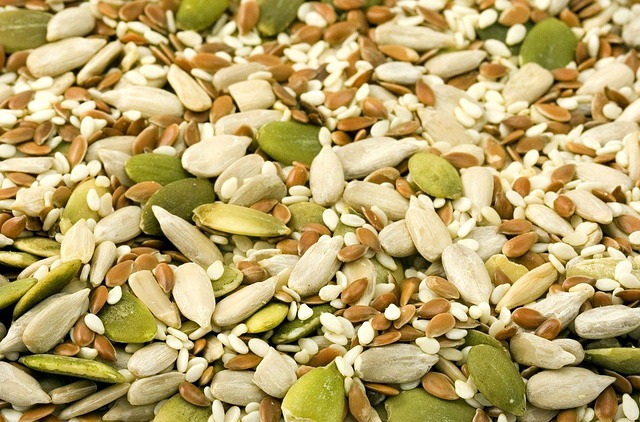
The final tier of Bad Breath Foods includes the humble seed and nut. Biji adas (fennel seeds) have been chewed in India for centuries as a post-meal digestive and breath freshener. These seeds contain antimicrobial properties that clear the palate and soothe the stomach.
Walnuts, cashews, and pumpkin seeds are rich in zinc. This mineral is a formidable opponent to sulfur. Zinc ions bind with sulfur gas molecules, rendering them odorless and preventing them from being exhaled. Incorporating these into your diet provides a long-term solution to oral health that transcends temporary fixes like gum or sprays. For more on the culinary application of these seeds, Food & Wine provides excellent guidance on integrating these powerful elements into your daily repertoire.
By integrating these five categories of Bad Breath Foods into your lifestyle, you ensure that your presence is marked by elegance and freshness. Whether breaking a fast or preparing for a high-stakes meeting, let nature’s larder be your guide to a more confident, aromatic existence.
Discover the latest food trends, recipes, and culinary news by exploring our coverage here.