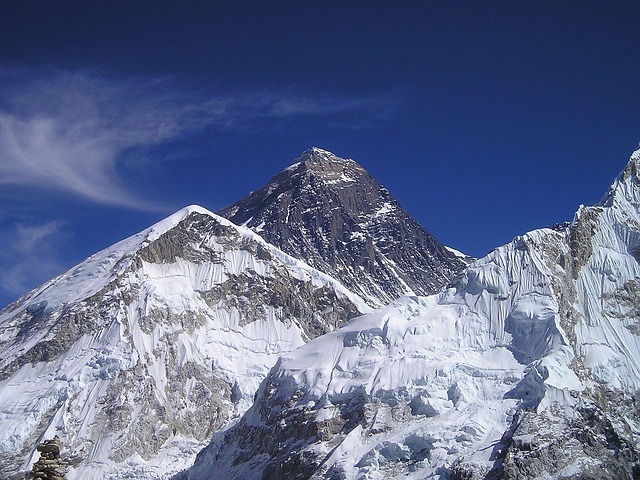
For the elite traveler, standing atop the world is the ultimate narrative of triumph. Each spring, the Khumbu Icefall becomes a bustling highway of ambition, where the air is thin, the stakes are high, and the costs are even higher. However, a shadow has fallen over the majestic peaks of Mount Everest. Recent investigations have peeled back the curtain on a sophisticated and harrowing fraud scheme that transforms the dream of a summit into a staged medical emergency. Authorities in Nepal have uncovered a web of deceit where the very people entrusted with a climber’s life—the guides—are allegedly sabotaging them for profit.
The Dark Side of Mount Everest Expeditions
The allure of the “Roof of the World” has always commanded a premium price. A standard bespoke expedition to Mount Everest typically ranges from $45,000 to $70,000, covering everything from exclusive permits to high-altitude Sherpa support and gourmet logistics. Yet, for some unscrupulous operators, these five-figure fees were apparently not enough.
Nepal’s authorities recently dropped a bombshell report revealing that 32 individuals, including expedition organizers, helicopter pilots, and hospital administrators, have been charged in a massive organized crime sting. The investigation suggests that these parties conspired to defraud international travel insurance companies of an estimated $20 million. The method was as simple as it was cruel: guides would intentionally mix baking soda into the climbers’ meals. The resulting chemical reaction in the gut mimics the symptoms of severe food poisoning or acute gastritis, inducing debilitating stomach pains and diarrhea that, at 17,000 feet, feel like a life-threatening crisis.
A Multimillion-Dollar Web of Deceit
Once the “poisoned” climber exhibited symptoms, the trap was sprung. Panicked and vulnerable, the tourists were told that an immediate emergency evacuation was their only hope. These high-altitude helicopter lifts, often costing upwards of $10,000 per flight, were then billed to the climbers’ insurance providers. According to reports from the luxury travel sector, the corruption didn’t end at the landing pad.
The investigation, which gained momentum after six executives from prominent rescue firms were detained in January, found that medical records and flight manifests were routinely falsified. One company alone allegedly faked 171 out of 1,248 evacuation claims, siphoning off more than $10 million in illegal payouts. “The fraud persisted because of a systemic lack of enforcement,” stated Manoj Kumar KC, head of the Nepal Police’s organized crime unit. He noted that when there is no accountability, crime flourishes in the thin mountain air. For those planning a high-altitude adventure, understanding climbing safety protocols is now more vital than ever to distinguish between a genuine emergency and a staged one.
The Human Cost of High-Altitude Scams
Beyond the financial loss, the psychological toll on climbers is immense. Imagine the heartbreak of training for years and spending a small fortune, only to have your journey cut short by a man-made illness. According to experts at National Geographic, the integrity of the Himalayan climbing industry relies entirely on the bond of trust between a climber and their Sherpa. This scandal threatens to sever that bond, casting a pall over the thousands of legitimate guides who risk their lives daily to ensure the safety of their clients.
The local judicial system in Nepal is reportedly prioritizing this case, recognizing the potential damage to the nation’s vital tourism industry. “This is a high-priority corruption case,” a court spokesperson confirmed, emphasizing that the world is watching how the gateway to the Himalayas cleans up its act.
Protecting Your Next Mount Everest Journey
For the discerning adventurer, this news is a sobering reminder to vet every partner in the expedition chain. While the majority of operators maintain the highest standards of ethics, the presence of a “rescue cartel” means that travelers must be more vigilant than ever. Before booking, it is essential to check verified reviews on platforms like TripAdvisor and ensure that your chosen agency has a transparent history with insurance providers.
As you plan your next foray into the wild, remember that the true luxury of travel is peace of mind. Mount Everest remains the ultimate challenge, a place of crystalline beauty and profound silence. However, as this $20 million scandal proves, sometimes the most dangerous obstacles aren’t the crevasses or the avalanches—they are the people standing right beside you at the dinner table.
Essential Tips for Secure Expeditions:
* Third-Party Oversight: Use an expedition doctor who is independent of the guide service.
* Detailed Insurance: Ensure your policy has a direct line to a medical officer who must approve evacuations.
* Reputation Matters: Only book with legacy operators who have a decades-long track record of integrity.
The mountains are calling, but in 2026, they require a sharper eye and a more cautious step than ever before.
For more updates on similar news and trending global stories, visit our latest news section.