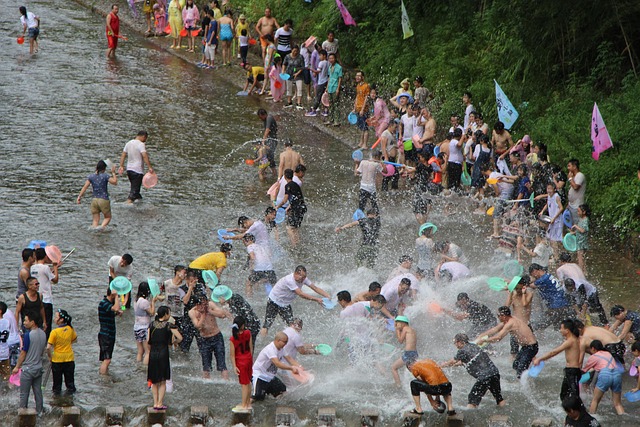
The Songkran Festival is widely known as the world’s largest water festival. Held every April, it attracts millions of visitors who come to experience a unique mix of cultural tradition, spiritual meaning, and vibrant street celebrations.
If you’re planning a trip to Thailand, you may also want to explore our Thailand Travel Guide for essential tips and destinations.
In recent years, Thailand has positioned Songkran not just as a national holiday, but as a global cultural event—one that blends heritage, tourism, and modern hospitality into a world-class experience.
What is Songkran Festival?
Songkran marks the traditional Thai New Year and is celebrated annually from April 13 to 15. While it is often associated with large-scale water fights, the festival’s origins are deeply spiritual.
Traditionally, water is gently poured over Buddha statues and elders’ hands as a sign of respect and purification. Today, that symbolism has evolved into nationwide celebrations that combine ritual with festivity.
From Local Tradition to Global Recognition
The international profile of Songkran has grown significantly, especially after recognition by UNESCO as an Intangible Cultural Heritage.
This recognition highlights:
- The cultural importance of the festival
- Its historical continuity
- Its role in Thai identity
Coverage from outlets such as Associated Press and Reuters has further amplified its global visibility.
According to reports from Bangkok Post, dozens of international embassies have also helped promote the festival, bringing it to a wider global audience.
Why Songkran is Called the “World Water Festival”
Songkran is often described as a “World Water Festival” due to its massive scale and energy.
In cities like Bangkok:
- Major streets transform into water zones
- Thousands of people participate in public celebrations
- Music, cultural performances, and street food add to the atmosphere
If you’re visiting the capital, check out our Bangkok Luxury Travel Guide for curated experiences.
Areas such as Khao San Road become central hubs of activity, attracting both locals and international travelers.
What makes Songkran truly stand out is not just its scale, but the way it blends cultural ritual with modern celebration—something few global festivals manage to achieve. This balance between meaning and entertainment is what keeps the festival relevant across generations.
Despite the modern celebrations, the core meaning remains rooted in renewal—washing away the past and welcoming a fresh start.
Best Places to Experience Songkran
While Bangkok offers the most intense celebrations, there are several ways to experience Songkran depending on your preference:
1. Bangkok (High Energy)
- Large crowds
- Street parties
- Major tourist hotspots
2. Chiang Mai (Cultural Balance)
- Mix of tradition and celebration
- Historic temples and parades
3. Luxury Resorts (Relaxed Experience)
High-end properties such as Mandarin Oriental Bangkok and Amanpuri offer curated experiences…
👉 For more options, read our Best Luxury Hotels in Thailand.
- Private ceremonies
- Traditional rituals
- Exclusive cultural programs
For more recommendations, read our Bangkok Luxury Travel Guide.
Safety and Travel Tips During Songkran
As the festival grows in scale, safety has become a priority. Authorities and international media such as The Straits Times have noted improvements in crowd management and security.
Here are a few tips:
- Protect your valuables (waterproof bags recommended)
- Avoid unsafe driving during peak days
- Respect cultural practices in temples
Where Tradition Meets Modern Travel
Songkran stands out because it offers two experiences in one:
- A high-energy public celebration
- A meaningful cultural ritual
Travel guides like Lonely Planet often highlight this balance as the reason why Songkran remains one of Asia’s most unique festivals.
For those seeking a more refined experience, many resorts now offer traditional ceremonies such as Rod Nam Dum Hua, along with seasonal cuisine like Khao Chae, a cooling rice dish infused with jasmine-scented water.
The Future of Songkran Festival
Thailand continues to develop Songkran as part of its global tourism and cultural strategy. The goal is to position it alongside world-famous celebrations like:
- Rio Carnival
- St. Patrick’s Day in Dublin
With increasing international promotion, Songkran is becoming a key event on the global travel calendar.
FAQ: Songkran Festival
When is Songkran Festival held?
Every year from April 13 to 15.
Why do people throw water during Songkran?
It symbolizes cleansing, renewal, and washing away bad luck.
Is Songkran safe for tourists?
Yes, but visitors should follow safety guidelines and be mindful of crowded areas.
Final Thoughts
From a travel perspective, the Songkran Festival is more than just a seasonal event—it represents a rare kind of shared experience that blends culture, community, and celebration at a global scale. Unlike many festivals that focus purely on spectacle, Songkran retains a sense of meaning that continues to resonate with both locals and international visitors.
Whether you are looking for cultural depth or unforgettable experiences, Songkran offers something few festivals in the world can match—a true celebration of renewal on a global scale.