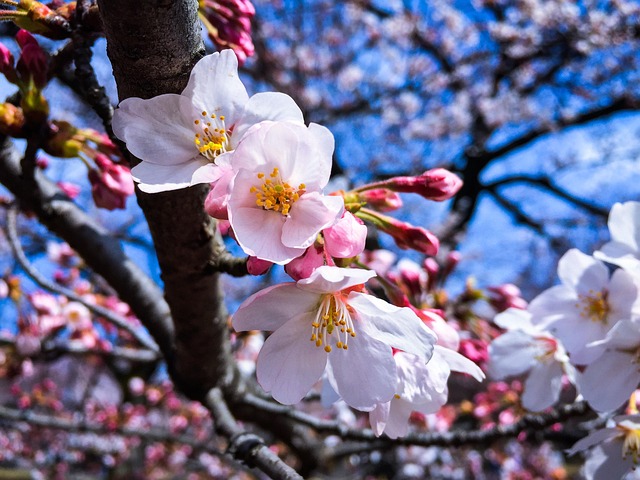
Each spring, the world turns its eyes toward the Japanese capital as a soft, blush-pink canopy transforms the metropolis into a living watercolor painting. However, this year, the ethereal beauty of the Tokyo cherry blossoms has been punctuated by an unsettling reality. Beyond the delicate petals and the festive atmosphere of hanami (flower viewing), the city’s most iconic trees—the Somei Yoshino—are reaching a biological breaking point. Recent reports of ancient trees toppling in popular public spaces have sparked a national conversation about the intersection of heritage, safety, and the inevitable passage of time in one of the world’s most beloved travel destinations.
The Fragile State of Tokyo Cherry Blossoms in Modern Parks
The crisis reached a peak this past Thursday, a day typically reserved for celebration. In the sprawling greenery of Kinuta Park and along the historic Chidorigafuchi greenway—a site famous for its views of the Imperial Palace moat—two massive trees suddenly collapsed. While no lives were lost, the incidents sent shockwaves through the crowds of tourists and locals. One tree, a 60-year-old giant in Kinuta Park standing 18 meters tall, crushed a perimeter fence, while another nearly plunged into the palace moats.
These are not isolated events. According to municipal data, Tokyo saw 85 trees fall across its public parks last year alone, resulting in three injuries. The majority of these were the very Tokyo cherry blossoms that define the city’s spring identity. For the luxury traveler seeking the perfect hanami experience, these incidents serve as a poignant reminder of the “wabi-sabi” philosophy—finding beauty in the imperfect and impermanent.
A Legacy of Post-War Resilience and Decay
To understand why these trees are failing now, one must look back to the 1960s. During Japan’s era of rapid economic growth following World War II, thousands of Somei Yoshino trees were planted as symbols of rebirth. Today, those trees are between 60 and 80 years old.
“Many of these trees were planted in a burst of post-war optimism and are now reaching the end of their natural lifespans,” explains Hiroyuki Wada, a renowned tree doctor. According to Wada, the Somei Yoshino variety is particularly vulnerable because it is a clone, meaning every tree lacks the genetic diversity to fight off certain pathogens. Fungal decay and “hollow heart” are common in these aging specimens, exacerbated by the compacted soil of urban environments.
For those planning a visit, consulting a Tokyo travel guide is essential to find the best—and safest—viewing spots. While the city remains a top-tier destination, the nature of the experience is shifting from sprawling picnics to more structured, guided appreciation.
The Impact of Climate Change on Japan’s Icons
It isn’t just age that is taxing the Tokyo cherry blossoms. Experts point toward the shifting climate as a significant stressor. Unpredictable rainfall patterns and rising average temperatures are weakening the root systems of these delicate giants. “I hope people think about climate change through what is happening to the cherry trees, which are so symbolic,” Wada noted, highlighting that the trees are effectively the “canaries in the coal mine” for Japan’s urban ecosystem.
Balancing Restoration with the Hanami Experience
The Tokyo government is now faced with a Herculean task: ensuring public safety without destroying the aesthetic soul of the city. At Kinuta Park, over 800 trees have undergone rigorous inspection. In some cases, this has led to the difficult decision to fell trees or prune them so severely that they lose their classic “weeping” silhouette.
In Inokashira Park, a favorite for those following Condé Nast Traveler Tokyo recommendations, regeneration programs have already begun. While some residents have complained that the thinning of the canopy has diminished the “pink tunnel” effect, officials argue it is a necessary step for the next century of beauty.
Visitors are encouraged to maintain a respectful distance from older trunks. “I’m a bit worried, but it’s fine as long as you stay away from the main stems,” says Lisa Suzuki, a Tokyo resident enjoying the season. This sentiment of “cautious appreciation” is becoming the new norm for spring travel in Japan. Understanding the delicate balance of cultural etiquette during this season is more important than ever for international guests.
How to Enjoy the Season Responsibly
For the discerning traveler, there are still ways to enjoy the Tokyo cherry blossoms with peace of mind. High-end hotels often have private gardens where trees are meticulously maintained with individual care.
1. Visit Managed Gardens: Locations like Shinjuku Gyoen National Garden have stricter maintenance protocols than general public parks.
2. Follow Local Signage: If an area is cordoned off, it is often due to root rot or branch instability.
3. Seek Expert Advice: Check TripAdvisor Tokyo reviews for real-time updates on park conditions and safety warnings.
4. Support Conservation: Many parks now accept donations specifically for the “Sakura Regeneration Fund.”
As we look toward the future of travel, the story of Tokyo’s falling trees is a lesson in sustainability. As National Geographic has previously noted, the timing and health of these blooms are deeply tied to our global environmental health. The Tokyo cherry blossoms will continue to bloom, but the way we cherish them must evolve—from a passive backdrop for photos to a heritage that requires our active protection and respect.
For more travel inspiration and destination guides, explore our latest travel articles here.