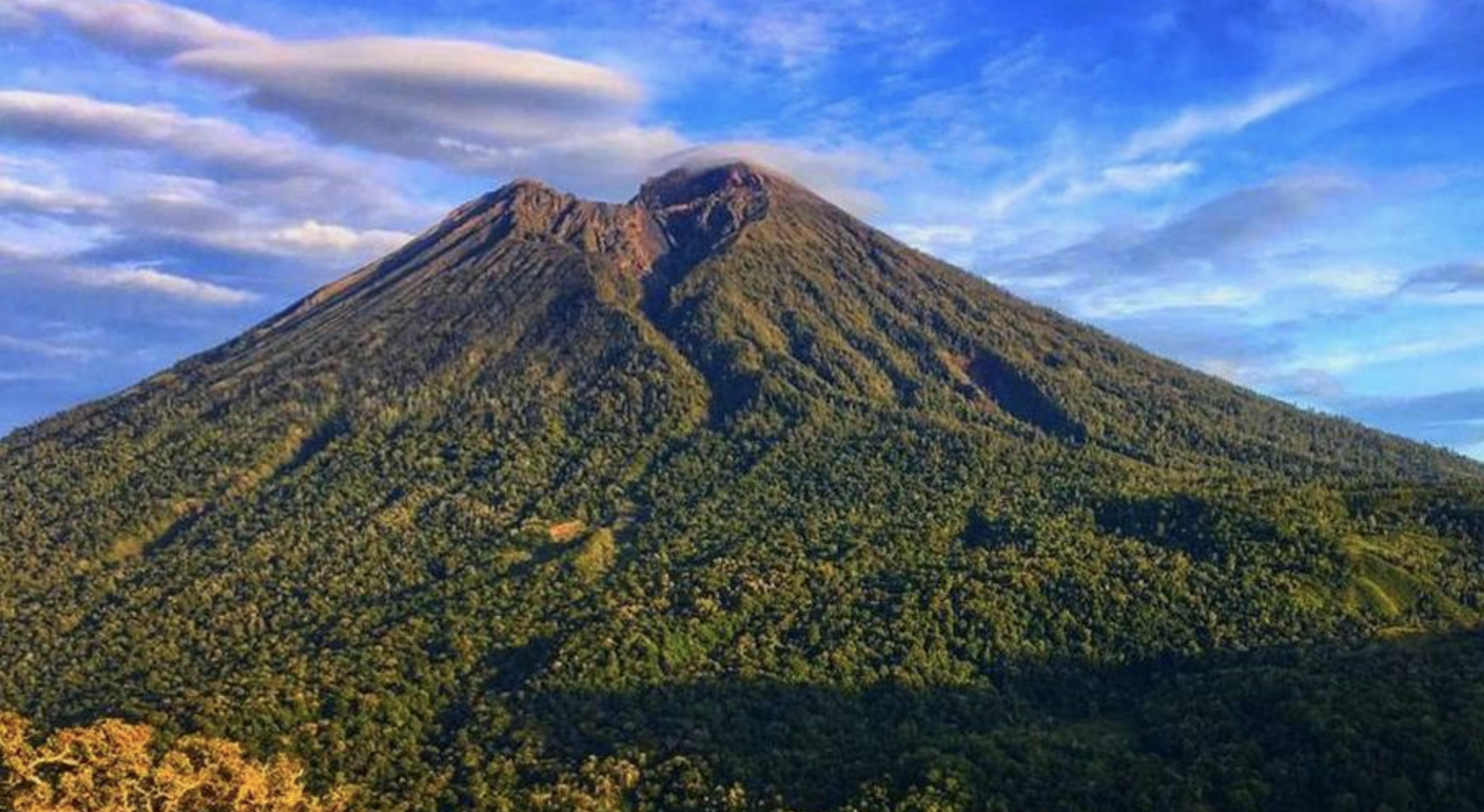
The emerald slopes of Lombok are calling, but for those seeking the ultimate adrenaline rush on Indonesia’s second-highest volcano, the boundaries have just been redrawn. Gunung Rinjani, the majestic “Seat of the Gods,” is reinforcing its commitment to “Quality Climbing,” a move that prioritizes the preservation of its rugged landscape and the safety of its global visitors. As the 2026 trekking season unfolds, the Mount Rinjani National Park Agency (TNGR) has issued a definitive prohibition against ascending the South Peak, known locally as Orplas, citing extreme terrain and the illegality of the existing trails.
The New Safety Mandate for Gunung Rinjani
The decision, announced by the Head of the TNGR Agency, Budhy Kurniawan, is not merely a suggestion but a strict enforcement of the park’s Standard Operating Procedures (SOP). The South Peak, towering at 3,171 meters above sea level, has long been a siren song for off-the-grid explorers. However, the path to Orplas is not an officially sanctioned trail. “It is strictly forbidden because it is an illegal route. If anyone is caught, they will be blacklisted,” Kurniawan stated firmly.
For the luxury traveler, this serves as a reminder that true prestige in adventure travel comes from respecting the delicate balance between human ambition and the raw power of nature. This ban follows a broader trend in responsible trekking across Indonesia, where authorities are increasingly prioritizing safety over unregulated “peak bagging.”
Extreme Terrain: Why Orplas and Aik Berik are Off-Limits
The allure of the South Peak often begins in Timbanuh, East Lombok. While the trail to Pelawangan Timbanuh offers a spectacular vista of the Anak Baru Jari volcano, the ascent beyond this point toward Orplas is deemed excessively dangerous. The TNGR has already installed warning signs at key junctions to steer hikers away from these treacherous ridges.
Furthermore, the restrictions extend to the descent from Pelawangan Aik Berik in Central Lombok down to the iconic Segara Anak Lake. While the lake remains a crown jewel of the Gunung Rinjani experience, the descent from this specific point is notoriously steep and unstable. To navigate it safely, professional equipment—including at least 100 meters of rope—is often required, making it unsuitable for standard trekking expeditions.
Elevating the Experience: The Shift Toward “Quality Climbing”
In an era where luxury is defined by exclusivity and expert curation, TNGR is redefining the Rinjani experience. The agency is moving away from mass tourism toward a “Quality Climbing” model. This initiative ensures that every guide and porter operating on the mountain is not only a local expert but a certified professional.
“We are currently advocating for guides and porters to hold official certifications,” Kurniawan explained. “This is the essence of quality climbing—ensuring that safety and service are paramount.” For international visitors booking through high-end outfitters, this certification provides peace of mind, knowing their expedition is led by individuals trained in mountain rescue and environmental ethics.
To support this high-standard vision, the park is integrating cutting-edge technology. TNGR is increasing the number of CCTV cameras at strategic points along the trails and strengthening signal coverage. Perhaps most impressively, thermal drones are now part of the park’s arsenal, allowing for rapid response in the event of an incident.
Planning Your Sustainable Adventure
For those planning a journey to this volcanic masterpiece, there are still plenty of sanctioned ways to experience the magic of Gunung Rinjani. The traditional routes via Senaru and Sembalun remain the gold standard for luxury trekking, offering well-maintained paths and the most iconic views of the crater.
When preparing for your trip, consider these essential resources:
* Consult the Conde Nast Traveler guide to Indonesia for the best times to visit and where to stay in Lombok.
* Review the latest environmental impact reports on National Geographic Adventure to understand how your trek supports local conservation.
* Check recent hiker reviews on TripAdvisor for the most up-to-date trail conditions.
* Explore our Lombok Adventure Guide for more tips on luxury travel in the region.
The Consequence of Non-Compliance
The threat of a “blacklist” is a serious deterrent. Being blacklisted means a permanent ban from entering any national park in Indonesia, a heavy price to pay for a few moments on an illegal peak. As the park moves toward a more digitalized monitoring system, the ability to track and identify violators has never been more efficient.
The message from the slopes of Lombok is clear: Gunung Rinjani is a place of profound beauty that demands profound respect. By adhering to the new regulations and supporting the “Quality Climbing” initiative, travelers can ensure that this volcanic wonder remains a pristine destination for generations of adventurers to come.
The mist may still swirl around the forbidden heights of Orplas, but the true spirit of Rinjani is found in the safety of its legal paths, the expertise of its certified guides, and the breathtaking silence of the Segara Anak shoreline. Respect the mountain, and it will offer you a lifetime of stories.
For more travel inspiration and destination guides, explore our latest travel articles here.